
If you’re concerned about halal skincare, it’s important to check whether collagen, keratin, and glycerin are sourced ethically and match Islamic standards. Collagen and keratin often come from animals, so look for halal-certified or plant-based options to guarantee they align with your values. Glycerin can be plant-based or animal-derived, so verify labels carefully. Want to discover how to identify genuine halal ingredients and make confident choices? Keep exploring for helpful tips.
Key Takeaways
- Muslims inquire about the halal status of collagen, keratin, and glycerin, preferring plant-based, synthetic, or halal-certified animal-derived sources.
- Proper formulation and ingredient stability are crucial for the effectiveness of collagen and keratin in skincare.
- Plant-based and herbal alternatives support halal and ethical skincare without compromising benefits.
- Halal certification ensures ingredients meet Islamic standards and are free from alcohol or forbidden animal derivatives.
- Transparency in sourcing and labels helps Muslims verify that skincare ingredients align with their ethical and religious requirements.

Sakoon nutrition Halal Collagen Gummies for Women and Men – Anti Aging, Hair Growth, Skin Care & Strong Nails Protein Collagen Supplements – Non-GMO, Gluten Free – Made in USA
Enjoy a Younger Look – Sakoon Nutrition Collagen Gummies are the easy, convenient way to add natural Collagen…
As an affiliate, we earn on qualifying purchases.
As an affiliate, we earn on qualifying purchases.
What Is the Role of Collagen in Skincare?

Collagen is a crucial protein that gives your skin its strength, elasticity, and overall youthful appearance. When you apply collagen-based skincare, skin absorption becomes essential to ensure the molecule reaches your deeper skin layers. However, collagen molecules are often large, making skin absorption challenging without proper formulation. That’s why ingredient stability is important; stable formulations prevent collagen breakdown, maximizing their effectiveness. If the ingredient isn’t stable, it may degrade before penetrating your skin, reducing benefits. High-quality collagen skincare products often include stabilizing agents to maintain integrity during application. By choosing products with well-formulated, stable collagen, you increase the chances of improving skin firmness and elasticity, helping you achieve a more youthful, radiant complexion with visible results. Additionally, using products with eco-friendly disposal methods can contribute to a more sustainable skincare routine. Furthermore, just as high refresh rates enhance gaming experiences, the right formulation can significantly boost collagen’s effectiveness in skincare. Understanding ingredient stability is crucial for maximizing the benefits of collagen, as it ensures that the product performs effectively throughout its shelf life. Moreover, exploring digital content can provide valuable insights into the evolving landscape of skincare ingredients and their formulations. Supporting caregivers’ emotional health through self-awareness practices can also enhance overall well-being, ultimately reflecting in one’s skin.
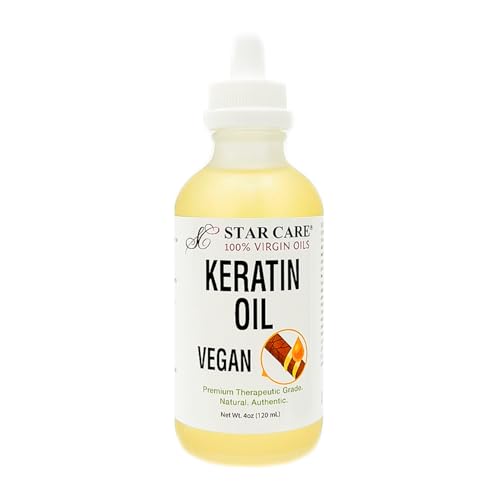
STAR CARE 100% Virgin Keratin Vegan Oil for Hair and Skin (4oz/120ml) Plant-Based Strengthening and Hydrating Formula
100% Plant-Based Keratin: Pure vegan keratin oil for cruelty-free, eco-friendly hair and skin care.
As an affiliate, we earn on qualifying purchases.
As an affiliate, we earn on qualifying purchases.
Is Collagen Sourced Halal and Ethical?

Since many consumers are increasingly concerned about the origins of their skincare ingredients, it’s important to know whether collagen is sourced in a way that aligns with halal and ethical standards. Genuine collagen products often have halal certification, ensuring they meet strict dietary and religious guidelines. Ethical sourcing is equally essential, meaning the collagen is obtained without cruelty, harm, or exploitation of animals. Look for brands that openly share their sourcing practices and hold certifications from reputable halal authorities. Some collagen is plant-based or lab-grown, which naturally aligns better with halal and ethical principles. By choosing products with clear halal certification and ethical sourcing, you can confidently incorporate collagen into your skincare routine, knowing it respects your values and religious requirements. Additionally, consider eco-friendly practices in your overall skincare choices to ensure a sustainable approach.

US+ 32oz 100% Pure Vegetable Glycerin – Pharmaceutical & Food Grade (USP) – All-Natural Moisturizer & Cleanser – For Skin, Hair, Soaps and More
ULTIMATE HYDRATION POWERHOUSE: Immerse yourself in deep moisturization with our premium all-natural vegetable glycerin, your secret to silky-smooth…
As an affiliate, we earn on qualifying purchases.
As an affiliate, we earn on qualifying purchases.
How Does Keratin Benefit Skin and Hair?
Keratin helps strengthen your hair by reinforcing its structure, making it less prone to breakage. It also boosts your skin’s elasticity, giving it a firmer, more youthful appearance. By improving both hair and skin, keratin can enhance your overall look and confidence. Additionally, incorporating natural light into your skincare routine can further promote a healthy glow and overall wellness. Emerging technologies are also revolutionizing personal care, allowing for more tailored skincare solutions. Understanding how proper cabling solutions can enhance your home environment may also contribute to your overall sense of well-being. Moreover, using airless spray technology for applying treatments can ensure a more even distribution of products on your skin and hair. Furthermore, adopting effective marketing strategies can help you discover and integrate the best products and techniques for your skincare routine.
Strengthens Hair Structure
Keratin plays an essential role in reinforcing the structural integrity of your hair. This protein helps strengthen your hair strands, making them more resistant to breakage and damage. When keratin is applied as a treatment or ingredient, it penetrates the hair shaft, aiding in hair strengthening from within. It also helps smooth the cuticle, reducing frizz and improving shine. Because keratin bonds with your hair’s natural proteins, it enhances resilience and flexibility. Additionally, keratin treatments improve ingredient absorption, allowing your hair to better utilize nourishing components. Regular use can lead to visibly stronger, healthier hair. By supporting the internal structure, keratin guarantees your hair remains robust, less prone to damage, and retains moisture longer, giving you a natural, vibrant look. Furthermore, incorporating keratin into your regimen can be part of a broader strategy for smart shopping for hair care, ensuring you choose products that effectively nourish and protect your hair. Keratin also provides hydrating ingredients that help improve overall hair texture, which is crucial for maintaining healthy locks. Moreover, proper aftercare is essential for retaining the benefits of keratin treatments, ensuring long-lasting results. Additionally, incorporating multi-tools into your hair care routine can enhance your overall efficiency in managing hair health. In view of this, successful desert gardening techniques can inspire innovative approaches to hair care by emphasizing resilience and adaptability.
Enhances Skin Elasticity
Certainly! Here’s the modified content following your instructions:
—
Although often associated with hair health, keratin also plays an essential role in enhancing skin elasticity. When included in your skincare routines, keratin helps strengthen the skin’s structure, making it more resilient and less prone to sagging. For natural remedies, topical keratin treatments can boost your skin’s firmness over time. Incorporating keratin-rich products into your routine supports collagen production and improves skin texture. While maintaining a balanced diet with protein sources also benefits your skin, using keratin in skincare provides targeted support. As part of a consistent routine, keratin helps preserve your skin’s youthful bounce and elasticity. It’s a safe, effective option that complements other natural remedies, helping you achieve healthier, more supple skin. Additionally, incorporating natural ingredients ensures that all ingredients meet safety and compliance standards, which is essential for optimal product formulation. Including high-quality skincare products that contain keratin can further enhance your overall skin health. Furthermore, considering everyday comfort can help you select products that support both your skin’s needs and your overall wellbeing. Notably, astrology and beauty can influence how individuals perceive their skin health, often impacting their skincare choices.
—
Feel free to let me know if you need any further adjustments!

Madina Neem Advance Soap Bar – Deep Cleansing, Purifying, Moisturizing, Vegetable-Based, Halal & RSPO Certified, Gentle Cleanser for Face & Body, 6 Pack (3.5 oz Each)
Deep Cleansing with Neem Oil: Madina Neem Advance Soap harnesses the natural purifying power of neem oil to…
As an affiliate, we earn on qualifying purchases.
As an affiliate, we earn on qualifying purchases.
Is Glycerin in Skincare Products Halal?

You might wonder if glycerin in skincare is halal, especially considering its source origins. Glycerin can come from animal fats or plant oils, so checking for halal certification is essential. Luckily, plant-based alternatives are available, making it easier to choose products that meet halal standards. Additionally, the importance of preserving local heritage can extend to the ingredients we choose, emphasizing the need for ethical sourcing in skincare products. Many consumers are increasingly aware of eco-friendly ingredients that align with their values, making it essential to choose wisely. Furthermore, opting for products with natural materials can further enhance the commitment to sustainability in skincare.
Glycerin Source Origins
Glycerin in skincare products can come from both plant-based and animal-derived sources, which can influence whether it aligns with halal standards. Traditionally, glycerin from plants, like soy or palm oil, aligns better with halal practices, especially in cultures that value natural remedies and traditional remedies. Animal-derived glycerin, often from tallow or other fats, may raise concerns depending on slaughter methods and sourcing. To determine if your glycerin is halal, consider these points:
- Check if it’s labeled as plant-based or vegan.
- Research the source, especially if it mentions animal fats.
- Be aware of cultural practices around sourcing and production, especially in regions with strong traditional remedies.
Being informed helps you make choices aligned with your beliefs and cultural practices.
Halal Certification Standards
Determining whether glycerin in skincare products is halal depends largely on certification standards and the sourcing process. Halal certification ensures that ingredients meet specific Islamic guidelines, including purity and ethical sourcing. Cultural considerations play a significant role, as consumers seek products aligned with their beliefs and values. Certification bodies evaluate ingredient safety, confirming that glycerin is free from alcohol or animal-derived substances not permissible in Islam. Look for reliable halal labels on packaging to verify compliance. Understanding the certification process helps you make informed choices, guaranteeing your skincare routine respects your faith. Ultimately, trusted halal certification offers peace of mind, confirming that the glycerin used is both safe and culturally appropriate for Muslim consumers. Additionally, choosing sustainable gifting options can further align your skincare purchases with ethical values.
Plant-Based Alternatives
Many consumers seeking halal skincare look for plant-based alternatives to animal-derived ingredients like glycerin. Luckily, natural skincare offers options rooted in herbal remedies and botanical extracts. These plant-based glycerins are derived from vegetables, such as soy or coconut, making them a reliable halal choice. When choosing natural skincare, consider these points:
- Check labels for plant-derived glycerin to verify it’s free from animal sources.
- Look for brands emphasizing herbal remedies, which often use sustainable, halal ingredients.
- Research the ingredients’ origins to confirm they align with halal standards.
Plant-based glycerin not only meets halal requirements but also supports a more ethical and eco-friendly skincare routine. This approach combines the benefits of herbal remedies with the purity of natural skincare for everyday use.
How Can I Check for Halal Certification on Skincare Products?
Wondering how to verify if your skincare products are truly halal? The first step is checking for a trusted halal certification label on the packaging. Look for symbols from recognized authorities that verify the product’s ingredients, including herbal extracts and mineral supplements, meet halal standards. Carefully read the ingredient list to guarantee there are no alcohol, animal-derived ingredients, or questionable additives. Some products may list “halal-certified” directly, but if not, visit the manufacturer’s website or contact customer service for verification. Remember, true halal certification also considers manufacturing processes, ensuring no cross-contamination with non-halal substances. Being diligent in these checks helps guarantee your skincare aligns with your faith and values.
What Are Plant-Based Alternatives to Collagen and Keratin?

You might be wondering if there are plant-based sources that can replace collagen and keratin in your skincare. Some plants, like soy and peas, can boost collagen production, while others, such as wheat and bamboo, offer keratin-like benefits. Exploring these natural options can help you find effective, halal-friendly alternatives.
Plant Sources for Collagen
While collagen and keratin are traditionally sourced from animals, several plant-based options can support skin health and mimic their benefits. Many natural remedies challenge ingredient myths, showing that plant sources can boost your skin without animal products. Here are three top plant-based options:
- Silk Amino Acids – derived from plants like soy or peas, they help improve skin elasticity and moisture.
- Aloe Vera – rich in vitamins and antioxidants, it promotes collagen production and soothes the skin.
- Seaweed Extracts – packed with minerals and amino acids, they support skin regeneration and firmness.
These alternatives are effective, align with natural and ethical lifestyles, and provide a wholesome approach to skincare without relying on animal-derived ingredients.
Keratin Alternatives From Plants
Plant-based alternatives to keratin are gaining popularity among those seeking ethical and natural skincare options. These alternatives use plant based proteins and natural extracts to support hair and skin health. They mimic keratin’s strengthening and smoothing effects without animal-derived ingredients. Some popular sources include soy, peas, and wheat proteins, which reinforce hair structure. Additionally, botanical extracts like bamboo, horsetail, and nettle provide rich minerals and amino acids that help boost collagen and keratin production naturally. Here’s a quick comparison:
| Plant-Based Source | Benefits |
|---|---|
| Soy Protein | Strengthens hair, adds shine |
| Pea Protein | Repairs damage, thickens hair |
| Wheat Protein | Moisturizes, enhances elasticity |
| Bamboo Extract | Strengthens, promotes growth |
| Horsetail Extract | Rich in silica, improves strength |
What Labels Should I Look for to Find Halal Skincare?

When shopping for halal skincare, paying attention to labels is essential. Look for products that clearly state they are halal-certified or have a reputable halal logo. Check for labels that mention:
- Herbal extracts—these indicate natural ingredients that are often halal-friendly.
- Mineral based formulations—these are typically free from animal-derived ingredients and suitable for halal skincare.
- Absence of alcohol and animal derivatives—ensure the label confirms no alcohol or animal-derived ingredients, which are common concerns.
Reading ingredient lists carefully helps avoid unintentional non-halal components. It’s also helpful to seek products with transparent labeling and certifications from trusted halal authorities. This way, you can confidently choose skincare that aligns with your faith and skincare needs.
Common Questions About Collagen, Keratin, and Glycerin in Islamic Contexts
Many people have questions about whether collagen, keratin, and glycerin align with Islamic dietary and ethical standards, especially when it comes to skincare products. These ingredients often raise concerns about their sources and whether they fit within natural remedies embraced by cultural beliefs. To clarify, consider how the source influences their permissibility:
| Ingredient | Source & Considerations |
|---|---|
| Collagen | Usually from animals; check for halal certification |
| Keratin | Derived from animal hair or feathers; halal status varies |
| Glycerin | Can be plant-based or animal-derived; verify sources |
Understanding the origins helps guarantee your skincare aligns with your values and faith, respecting cultural beliefs and promoting ethical choices.
Tips for Choosing Halal and Ethical Skincare Products
Choosing halal and ethical skincare products requires careful attention to ingredient sources and certifications. To make informed choices, start with an ingredients comparison to guarantee no haram components. Next, stay updated on market trends, as brands increasingly prioritize transparency and ethical sourcing. Here are three tips:
- Verify certifications like HCS or Islamic Product Certification to confirm halal standards.
- Research brands’ sourcing practices, focusing on cruelty-free and sustainable methods.
- Read ingredient labels carefully, paying attention to potential non-halal ingredients or unethical additives.
How Can I Verify the Sourcing and Authenticity of My Skincare Ingredients?
To verify the sourcing and authenticity of your skincare ingredients, start by researching the brands and suppliers behind the products you use. Look for transparent labels that detail ingredient origins and manufacturing processes. Check if the brand provides certifications or third-party testing results, especially for natural remedies or plant-based ingredients. This helps guarantee you’re not exposing yourself to ingredient allergies or contaminated materials. Be cautious of false claims and always verify claims of purity or cruelty-free status. You can also seek out reviews and community feedback to confirm authenticity. If you’re uncertain about a product’s origin, contact the manufacturer directly. Ultimately, thorough research helps you avoid counterfeit or misrepresented ingredients, giving you confidence in your skincare routine and peace of mind.
Frequently Asked Questions
Are There Any Known Religious Restrictions on Collagen, Keratin, or Glycerin?
No, there are no strict religious restrictions on collagen, keratin, or glycerin if they meet Islamic dietary laws. You should look for products with halal certification, ensuring the ingredients are ethically sourced and free from forbidden substances. As long as the ingredients are halal-certified, you can confidently include them in your skincare routine, knowing they align with Islamic dietary and religious principles.
How Do I Differentiate Between Synthetic and Natural Skincare Ingredients?
To differentiate between synthetic and natural skincare ingredients, check the ingredient sources listed on the label. Natural ingredients usually come from plants, animals, or minerals, while synthetic ones are man-made. Look for labeling transparency; brands that clearly state ingredient origins help you make informed choices. Be cautious of vague terms like “fragrance” or “parfum,” and research unfamiliar ingredients to verify they align with your preferences.
Can Vegans Safely Use Collagen, Keratin, or Glycerin Products?
Vegan alternatives make it safe for you to use collagen, keratin, or glycerin products, as they don’t involve animal-derived ingredients. Always check ingredient sourcing to guarantee products are plant-based or synthetic, aligning with vegan standards. Many brands now produce cruelty-free, vegan-certified options, so you can confidently select products that suit your values while still providing skincare benefits. Reading labels carefully helps you avoid animal-derived ingredients and makes your choice ethical and safe.
Are There Any Side Effects of Using Collagen, Keratin, or Glycerin?
Did you know that over 60% of people report skin reactions to some skincare ingredients? Collagen, keratin, and glycerin are generally safe, but side effects can occur if you have allergies or sensitivities. Always check product labeling for ingredient safety info, especially if you have sensitive skin. While these ingredients are well-tolerated for most, discontinuing use if irritation arises is a smart move.
How Do I Ensure Skincare Products Align With Islamic Ethical Standards?
To make certain your skincare products align with Islamic ethical standards, look for products with Halal certification, which confirms they meet Muslim dietary and ethical guidelines. You should also check for ethical sourcing practices, ensuring ingredients like collagen, keratin, and glycerin are responsibly and sustainably obtained. Research brands that openly share their sourcing methods and certifications, so you can confidently use products that adhere to your faith and values.
Conclusion
Exploring skincare ingredients as a Muslim doesn’t have to be overwhelming. By checking for halal certification and understanding ingredient sources, you can confidently choose products aligned with your values. Some might worry about authenticity or availability, but with a little research, you’ll find options that soothe your skin and align with your beliefs. Remember, ethical skincare is within reach—your skin and faith can thrive together with informed choices.