
TL;DR
Dietitians have identified the fruits and vegetables with the most fiber per serving. This information can help consumers choose high-fiber foods to support digestive health and overall wellness.
Dietitians have confirmed that certain fruits and vegetables offer significantly higher fiber content per serving than others, providing valuable guidance for those seeking to boost their dietary fiber intake. This development highlights specific produce options that can support digestive health and overall nutrition, making it easier for consumers to make informed food choices.

Get kitchen staples and gadgets delivered free with Prime
- Fast, free delivery on millions of items
- Prime Video, Amazon Music and more included
- Member-only deals all year
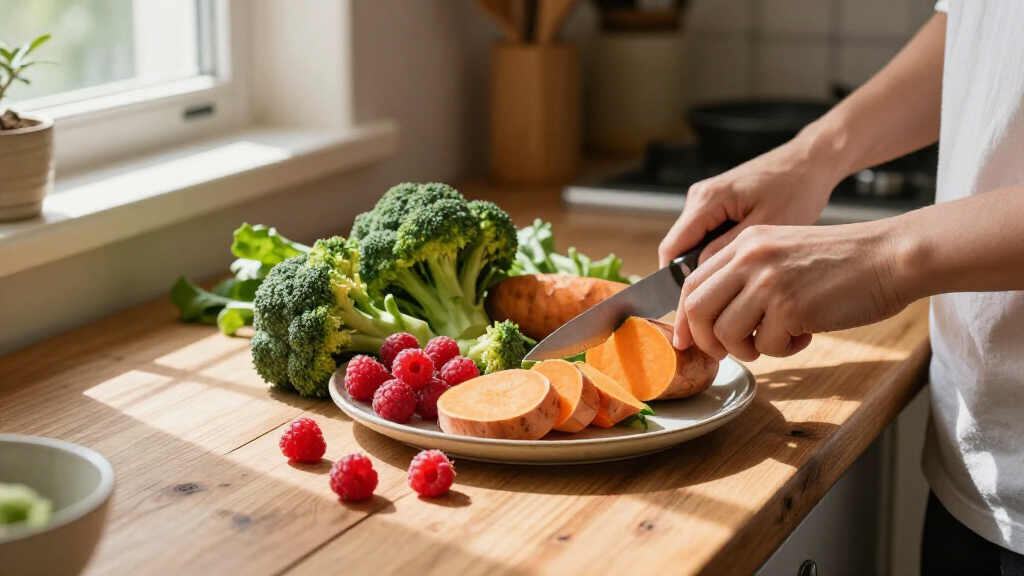
According to recent guidance from registered dietitians, foods such as raspberries, pears, artichokes, and broccoli are among the top sources of dietary fiber per serving. For example, a cup of raspberries provides approximately 8 grams of fiber, while a medium pear offers about 5 grams. Artichokes and broccoli also rank highly, with a single medium artichoke containing around 7 grams of fiber and a cup of cooked broccoli providing about 5 grams.
Dietitians emphasize that consuming these high-fiber options regularly can contribute to improved digestion, weight management, and reduced risk of chronic diseases like heart disease and type 2 diabetes. They advise including a variety of these foods in daily meals to meet recommended fiber intake, which is about 25 grams for women and 38 grams for men.
Health experts note that fiber-rich foods also promote feelings of fullness, which can aid in weight control. They recommend incorporating these foods into breakfast, lunch, and dinner, and suggest that consumers pay attention to portion sizes and preparation methods to maximize fiber benefits.
Why High-Fiber Fruits and Vegetables Matter for Health
Understanding which fruits and vegetables are highest in fiber helps consumers make better dietary choices that support digestive health, weight management, and disease prevention. Increasing fiber intake is linked to reduced cholesterol levels, improved blood sugar control, and a lower risk of cardiovascular disease.
This information is particularly relevant as many people do not meet the daily recommended fiber intake, potentially missing out on these health benefits. By choosing high-fiber produce, individuals can improve their overall nutrition and reduce reliance on processed foods that are often low in fiber.
Popular right now

Vitamix 5200 Professional-Grade Blender with 64 oz Container, Black

Samsung 65-Inch M70H Series 4K Mini LED Smart TV (2026)

KitchenAid Classic Series 4.5 Quart Tilt-Head Stand Mixer, Onyx Black
As an affiliate, we earn on qualifying purchases.
High-Fiber Foods in the Context of Modern Diets
Dietitians have long emphasized the importance of fiber in a balanced diet, yet many people fall short of daily recommendations. The average intake is often below the advised 25-38 grams, partly due to low consumption of fiber-rich fruits and vegetables.
Recent dietary guidelines continue to highlight the benefits of increasing fruit and vegetable intake, especially those high in fiber. The focus on specific foods like berries, pears, and artichokes reflects ongoing research linking fiber consumption to health outcomes and the growing popularity of plant-based diets.
While the list of high-fiber foods is well-known among nutrition experts, public awareness remains limited. This development aims to bridge that gap by providing clear, practical guidance for consumers.
Remaining Questions About Fiber Content and Dietary Recommendations
While the list of high-fiber foods is based on current dietary data, individual fiber content can vary depending on food size, preparation, and ripeness. It is also unclear how these foods compare in different dietary patterns or cultural cuisines.
Further research may refine serving size recommendations or identify additional foods with comparable fiber levels. Additionally, how best to incorporate these foods into diverse diets remains an area for ongoing guidance.
Next Steps for Consumers and Health Professionals
Nutrition experts plan to develop more detailed guidance on serving sizes and meal planning to help consumers maximize fiber intake. Public health campaigns may also emphasize the importance of high-fiber fruits and vegetables, encouraging more balanced diets.
Researchers are expected to continue studying the impact of specific high-fiber foods on health outcomes, which could influence future dietary guidelines and food labeling practices.
Key Questions
Which fruits are highest in fiber per serving?
Raspberries, pears, and apples are among the fruits with the highest fiber content per serving, offering around 4-8 grams each depending on size and variety.
What vegetables provide the most fiber?
Artichokes, broccoli, Brussels sprouts, and carrots are some of the top vegetables rich in fiber, with artichokes providing about 7 grams per medium serving.
How much fiber should I aim for daily?
The recommended daily intake is about 25 grams for women and 38 grams for men. Incorporating high-fiber fruits and vegetables can help meet these goals.
Can cooking affect the fiber content of these foods?
Cooking can alter the fiber structure slightly, but generally, the fiber content remains relatively stable. Preparing foods by steaming or boiling preserves most fiber benefits.
Are there any dietary restrictions or allergies to consider?
Most high-fiber foods are safe for general consumption, but individuals with specific allergies or digestive conditions should consult a healthcare provider for personalized advice.
Source: rss