TL;DR

Get kitchen staples and gadgets delivered free with Prime
- Fast, free delivery on millions of items
- Prime Video, Amazon Music and more included
- Member-only deals all year
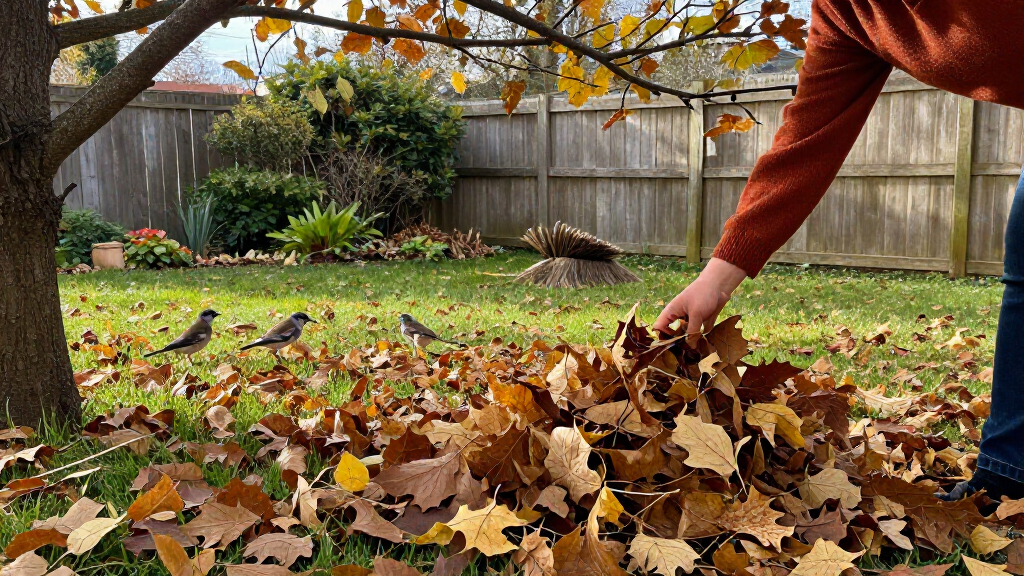
A Good Housekeeping report says homeowners can support birds by leaving fallen leaves in place or moving them into a garden-edge pile instead of bagging them. Leaf litter shelters insects, worms, seeds and other resources that birds use, though the report does not establish that this practice alone will increase bird numbers in a particular yard.
A Good Housekeeping report is urging homeowners to rethink fall yard cleanup: instead of raking and removing every leaf, leave some leaf litter in place or move it into a pile along a garden edge. The recommendation is based on the habitat and food the leaves provide for insects and other small creatures that foraging birds rely on.
As leaves collect on the ground, they create cover for bugs and worms, shelter nuts and seeds, and return nutrients to the soil as they break down. Birds that forage on the ground can sift through the leaf layer for food, while fallen twigs and branches offer material for nests. The report also says some bird species use leaf layers for nesting, though it does not identify those species.
The report cites the National Wildlife Federation for an estimate that about 95% of North American terrestrial birds depend on insects to feed themselves and raise their young. It also cites a decline of 2.9 billion insect-dependent terrestrial birds over the past 50 years. These figures describe broad trends; they do not measure the effect of leaf removal in an individual yard.
For people who prefer a tidier appearance or need to clear leaves from parts of a property, the suggested compromise is to rake leaves to a garden edge rather than bagging or binning them. That keeps some of the leaf habitat available while moving it away from lawns, paths or other areas where it may be unwanted.
How Leaf Litter Supports Birds
Leaving leaves can protect a small but useful part of the food web in residential yards. Insects and worms that shelter in or beneath leaf litter are food for many ground-foraging birds, and the fallen material also covers seeds and provides concealment. Removing the entire layer may disturb those resources and the small animals living there.
The advice is relevant to homeowners because it offers a low-effort way to retain habitat during routine seasonal cleanup. The report presents this as a practical contribution, not a guarantee that any single yard will attract more birds or reverse wider population declines. Local conditions, the amount of leaf cover and the birds present will vary.
As an affiliate, we earn on qualifying purchases.
The Case Against Clearing Every Leaf
Fall leaf removal is a common yard-maintenance task, often done with rakes or leaf blowers. The Good Housekeeping report frames leaving leaves as an alternative for people who want to support wildlife, pointing to the roles leaves play as they decompose and as shelter for insects and other small creatures.
The report’s population figures are attributed to the National Wildlife Federation. It says insect-dependent terrestrial birds have fallen by 2.9 billion individuals over the past 50 years and describes that decline as a 111-fold difference compared with species that do not depend on insects. The comparison is reported as given in the source; the supplied material does not explain its calculation or provide additional methodology.
“The best thing you can do is leave it alone!”
— Good Housekeeping report
What Yard-Level Benefits Are Known
The supplied report does not provide a controlled study showing how much leaving leaves changes bird visits, nesting success or population numbers at a particular property. Its advice rests on the ecological functions of leaf litter and the reported dependence of many terrestrial birds on insects. It also does not specify how much leaf cover to retain, which species benefit most in different regions, or how to balance leaf habitat with local yard conditions.
The source material gives no publication date, and it does not describe guidance for situations where leaves create a safety concern or conflict with local property rules. The recommendation is therefore best understood as general wildlife-friendly yard advice, not a rule that every leaf must remain everywhere.
A Practical Fall Yard Choice
Homeowners can choose whether to leave leaves where they fall, keep them in selected areas, or rake them into a garden-edge pile. Those opting to retain leaf litter can observe how it fits their yard and local conditions, while keeping paths and other necessary surfaces clear. The report offers no formal follow-up study or announced policy change; the next step is a seasonal household decision about how much leaf material to retain.
Key Questions
Should I leave every fallen leaf in my yard?
The report recommends leaving leaves where they fall when practical, but it does not say every leaf must remain. You can retain leaf cover in some areas and clear surfaces where leaves cause a problem.
What if I want a tidier-looking yard?
Good Housekeeping suggests raking leaves into a pile at the edge of a garden rather than bagging or binning them. This keeps some leaf material available as habitat while making the main yard look neater.
How do leaves help birds?
Leaf layers shelter insects and worms that birds eat, cover seeds and nuts, and provide twigs and branches birds may use for nesting. The report also says some birds nest in leaf layers, but does not name the species.
Does leaving leaves guarantee more birds?
No such guarantee is established in the report. It describes ways leaf litter can support food and habitat, but does not present yard-level evidence that keeping leaves will increase bird numbers at a specific property.
Source: rss
Halloween Picks
halloween
As an affiliate, we earn on qualifying purchases.