TL;DR

Get kitchen staples and gadgets delivered free with Prime
- Fast, free delivery on millions of items
- Prime Video, Amazon Music and more included
- Member-only deals all year
Good Housekeeping’s cookware guidance outlines six habits for helping ceramic-coated pans stay in usable condition: control heat, use soft utensils, hand-wash gently, avoid aerosol cooking sprays, let pans cool before washing and protect them in storage. The report says lifespan varies by pan quality and use, and sticking, visible coating damage or warping may signal that a pan needs replacing.
Good Housekeeping has outlined six ways to care for ceramic-coated cookware, recommending moderate heat, nonmetal utensils, gentle hand-washing, and protected storage to reduce wear on the nonstick surface. The advice matters to cooks because ceramic coatings can lose performance sooner than uncoated pans, though the source says the lifespan depends on the cookware’s materials and how it is used.
The report draws on cookware testing by the Good Housekeeping Institute Kitchen & Cooking Lab and comments from Jacob Maurer, chief executive of GreenPan, a ceramic cookware maker. Its first recommendation is to control heat: ceramic pans heat quickly, so the report advises staying at or below medium-high, depending on the stove. Once the pan is hot, cooks can add food and reduce the heat to limit burning and residue.
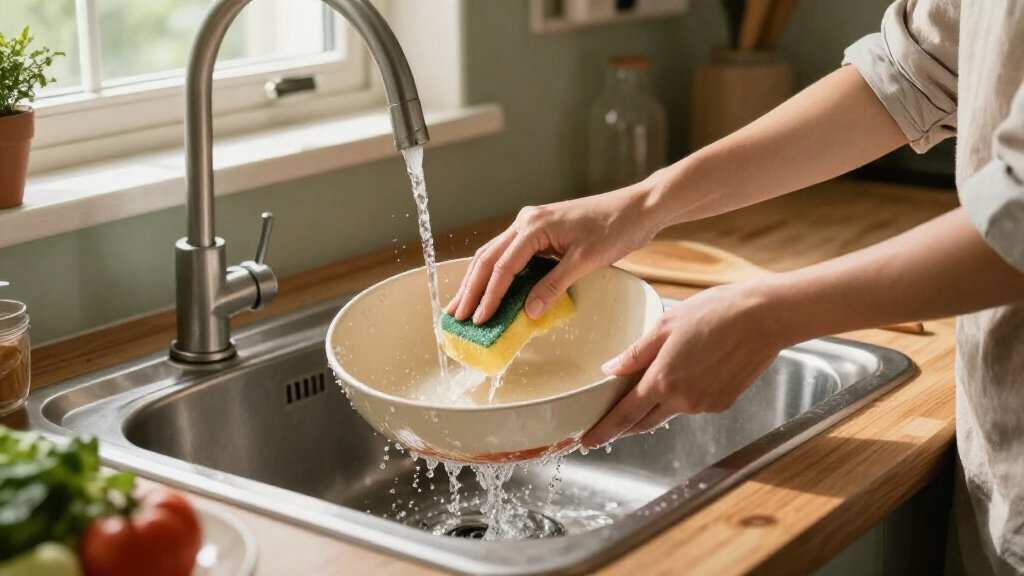
The other care steps are to use silicone or wooden utensils rather than metal; wash by hand with mild dish soap and a soft scrubber; avoid aerosol cooking sprays; let a hot pan cool before rinsing it with cold water; and place felt protectors or towels between pans when stacking them. Good Housekeeping advises using a small amount of oil or butter rather than skipping cooking fat altogether.
The report says there is no fixed lifespan for ceramic-coated cookware. A well-made pan used gently may last several years, but sticking can signal that the coating has lost performance. The article suggests trying to clean the surface before replacing it; continued sticking, scratches, dents, cracks, discoloration, or a warped base are listed as signs that replacement may be appropriate.
Care Habits That Protect the Coating
These recommendations address common sources of wear that can shorten the useful life of a ceramic nonstick surface. Excess heat may burn oils and fats onto the pan, while metal tools and abrasive cleaning can scratch or otherwise damage the coating. Rapid temperature changes and unprotected stacking can also contribute to warping or surface damage, according to the report.
For households, the practical consequence is that everyday handling may affect how well a pan releases food and how evenly it heats. The advice is not a guarantee of a specific lifespan: Good Housekeeping says longevity also depends on the quality and design of the pan. Checking for persistent sticking or visible damage can help cooks decide whether cleaning is enough or replacement is warranted.
Popular right now

Ninja Luxe Café Mini Plus Espresso and Drip Coffee Machine with AutoFroth, Stainless Steel (ES351)

Vitamix 5200 Professional-Grade Blender, 64 oz. Container, Black

Bose QuietComfort True Wireless Earbuds with Active Noise Cancellation, Black
As an affiliate, we earn on qualifying purchases.
Why Ceramic Pans Need Gentle Use
Ceramic cookware in this report refers to pans with a ceramic nonstick coating, not uncoated ceramic baking dishes. Good Housekeeping notes that these pans can be convenient to clean and are made without PFAS, a feature some consumers prefer. It also cautions that their coatings do not last as long as uncoated cookware such as stainless steel and cast iron.
The source says newer ceramic pans made with more recent innovations tend to last longer than the earliest ceramic pans the Lab tested more than a decade ago. It does not provide a standardized lifespan or a comparative test result for particular brands. Its guidance is based on the Lab’s cookware testing and maintenance advice from Maurer, whose company makes ceramic cookware.
“If your pan overheats, oils and fats can burn and create a sticky residue.”
— Jacob Maurer, GreenPan chief executive, as quoted by Good Housekeeping
No Set Lifespan or Test Benchmark
The source gives no exact number of years that ceramic cookware should last, and it does not set a universal threshold for when wear requires replacement. Durability varies with materials, design, heat levels, cleaning, and other use conditions. The report also does not quantify how much each of the six habits extends a pan’s life or compare the effect across brands.
Its advice about cleaning persistent residue with a Magic Eraser is described as occasional use only; the report warns that frequent use may also damage the coating. Consumers should follow their cookware maker’s care instructions where they differ, but the source itself says hand-washing is preferable even when a pan is labeled dishwasher-safe.
Check the Surface Before Replacing
Good Housekeeping’s suggested next step for a pan that has begun sticking is to clean the cooking surface and see whether performance improves. If food continues to stick, or the pan has visible coating damage or warping, the report says it may be time to replace it. No follow-up testing, product recall, or new manufacturer guidance is announced in the source.
For routine care, cooks can use lower heat, add oil or butter, choose silicone or wooden tools, wash gently after the pan cools, and store it with a layer between stacked pieces. These measures may help preserve the coating, but they do not establish a guaranteed service life.
Key Questions
How long should ceramic-coated cookware last?
There is no fixed lifespan. Good Housekeeping says a well-made pan may last several years with gentle use and proper maintenance, but durability depends on its materials, design, and care.
What heat setting should I use?
The report recommends avoiding heat above medium-high, depending on the stove, because ceramic pans heat quickly. Add food when the pan is hot, then reduce the heat to help prevent burning and sticky residue.
Can I put ceramic cookware in the dishwasher?
Good Housekeeping recommends hand-washing ceramic-coated pans with mild dish soap and a soft scrubber, even if the manufacturer says a pan is dishwasher-safe.
When should I replace a ceramic-coated pan?
Persistent sticking after cleaning, along with scratches, dents, cracks, discoloration, or warping, may indicate that the pan should be replaced. A warped pan may not sit flat or heat evenly.
Source: goodhousekeeping.com