
TL;DR

Get kitchen staples and gadgets delivered free with Prime
- Fast, free delivery on millions of items
- Prime Video, Amazon Music and more included
- Member-only deals all year
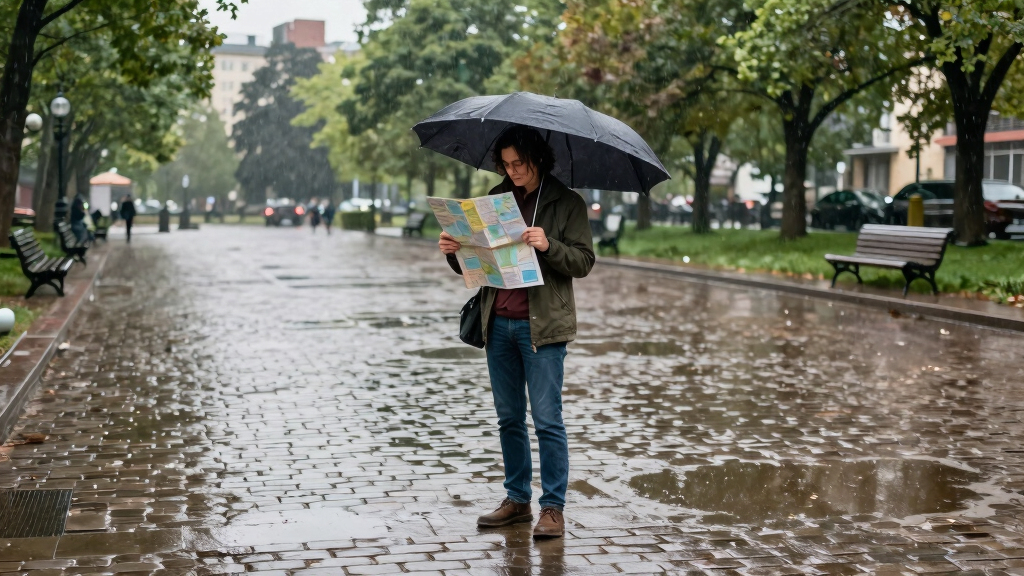
Forecasts predict heavy rainfall across the East Coast on July 4, potentially causing travel disruptions. Authorities advise travelers to plan ahead and stay updated on weather alerts. The situation remains uncertain as storm paths and intensities are still being monitored.
Heavy rainfall is forecasted across the East Coast on July 4, threatening to disrupt holiday travel plans for millions. Weather agencies warn of potential delays, cancellations, and hazardous driving conditions, prompting officials to advise travelers to stay alert and plan accordingly.
According to the National Weather Service, a significant storm system is expected to bring heavy rain, thunderstorms, and gusty winds across states including New York, New Jersey, Pennsylvania, and parts of the Mid-Atlantic region on Independence Day. The forecast indicates rainfall totals could reach 2 to 4 inches in some areas, with localized flooding possible.
Transportation authorities in major cities have issued travel advisories, warning of possible delays on highways, airports, and railways. Airlines are already monitoring the situation, with some flights potentially affected or delayed. The weather is expected to peak during the late morning to evening hours on July 4, coinciding with peak travel times.
Officials from the Federal Emergency Management Agency (FEMA) and local agencies urge travelers to check weather updates regularly, allow extra time for journeys, and consider alternative routes or postponing non-essential travel if possible. Emergency services are on standby in flood-prone areas.
Why Rain Disrupting Travel Matters This Independence Day
The forecasted rainfall could lead to widespread travel disruptions, affecting millions of Americans planning to celebrate the holiday with gatherings, fireworks, and travel. Delays and cancellations could impact not only personal plans but also commercial activities, emergency response efforts, and public safety. Understanding the weather’s impact helps travelers and officials prepare to mitigate risks and ensure safety during a busy holiday period.
As an affiliate, we earn on qualifying purchases.
Recent Weather Patterns and July 4 Travel Trends
Heavy rainfall and thunderstorms are common during summer months along the East Coast, but the current storm system appears more intense than usual, with meteorologists monitoring its development closely. Previous years have seen travel chaos due to weather-related delays around July 4, prompting officials to issue early warnings.
In 2022, similar weather patterns caused widespread airport delays and road congestion, highlighting the importance of early planning. The National Weather Service has been tracking the storm system since late June, with forecasts indicating increasing rainfall probabilities as the holiday approaches.
“We advise residents and visitors to allow extra time for travel and consider postponing non-essential trips if possible. Safety is our top priority.”
— NYC Department of Transportation spokesperson Mark Rivera
Storm Path and Intensity Still Under Monitoring
While forecasts predict heavy rain, the exact storm path, intensity, and duration remain uncertain. Weather models are being updated regularly, and officials caution that conditions could change, affecting the severity of disruptions.
Updated Weather Alerts and Travel Advisories Expected Before July 4
Meteorologists will continue monitoring the storm system, with updated forecasts expected in the coming days. Travelers are advised to check local weather alerts and airline or transportation updates frequently. Authorities may issue additional warnings or travel restrictions if conditions worsen.
Key Questions
Will all travel be affected by the rain?
Not necessarily. While heavy rainfall could cause delays and cancellations, the extent of disruption will depend on storm severity and timing. Travelers should stay informed through official channels.
Are there specific areas at higher risk of flooding?
Flooding is more likely in low-lying, urban, and poorly drained areas, especially near rivers and coastal regions. Local authorities have issued flood watches in some zones.
Should I postpone my travel plans?
Travelers are advised to monitor weather updates and consider postponing non-essential trips if forecasts indicate severe weather. Planning ahead can help avoid last-minute disruptions.
What safety precautions should I take during thunderstorms?
Stay indoors during storms, avoid driving through flooded areas, and keep emergency supplies ready. Follow guidance from local authorities and weather services.
Source: google-trends
NFL season / tailgating Picks
team gear
As an affiliate, we earn on qualifying purchases.