
TL;DR

Get kitchen staples and gadgets delivered free with Prime
- Fast, free delivery on millions of items
- Prime Video, Amazon Music and more included
- Member-only deals all year
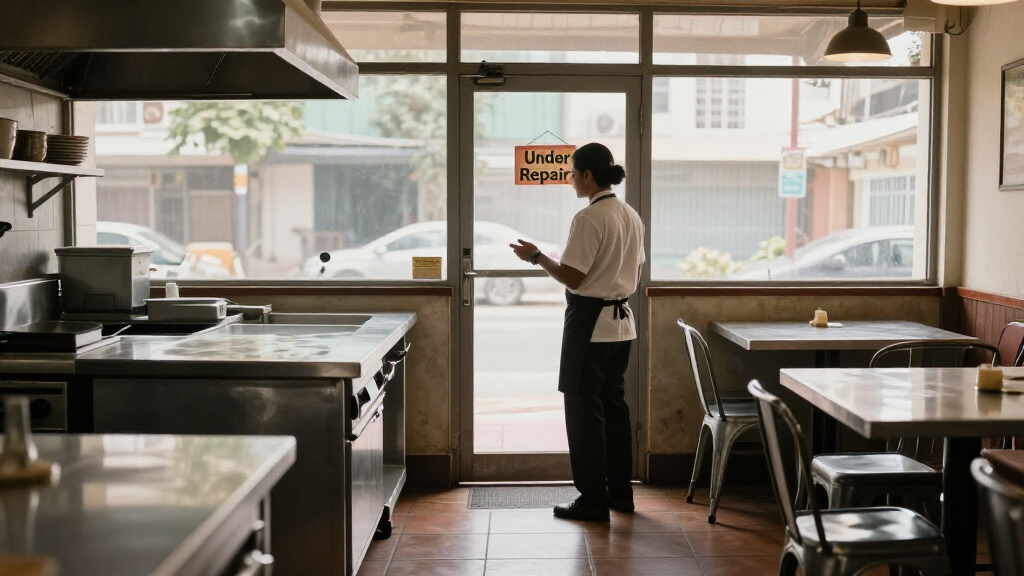
Mumbai food outlets, including restaurants and government canteens, are voluntarily closing for repairs and deep cleaning. The move aligns with an FDA crackdown on food safety violations, aiming to improve hygiene standards.
Mumbai’s restaurants and government canteens are voluntarily shutting down for repairs and deep cleaning, according to officials and industry sources, as part of an intensified food safety crackdown by the Food and Drug Administration (FDA). This move aims to improve hygiene standards amidst concerns over food safety violations and to restore public confidence.
Multiple restaurants across Mumbai, along with government-run canteens, have voluntarily closed for repairs and thorough cleaning. The closures are part of a broader initiative by the FDA to address hygiene issues and enforce stricter food safety standards. Officials from the FDA confirmed that the closures are voluntary and primarily aimed at deep cleaning, repairs, and compliance with hygiene norms.
Sources indicate that the closures are not due to immediate violations but are proactive measures to prevent future violations and ensure better sanitation. Several restaurant owners and canteen managers have expressed cooperation with the initiative, emphasizing their commitment to improving hygiene and meeting regulatory standards.
Impact of Voluntary Closures on Food Safety Standards
This development is significant because it reflects a shift towards preventive measures in food safety rather than solely punitive actions. The voluntary closures could lead to improved hygiene in Mumbai’s food outlets, potentially reducing incidents of foodborne illnesses. For consumers, this move may restore trust in local eateries and government canteens, which are essential for daily meal options for many residents and workers.
Moreover, the initiative demonstrates the FDA’s increased focus on compliance and proactive enforcement, which could set a precedent for other cities. However, it also raises questions about the long-term impact on businesses and whether similar measures will be sustained or expanded.
food safety and hygiene cleaning supplies
As an affiliate, we earn on qualifying purchases.
As an affiliate, we earn on qualifying purchases.
Mumbai’s Food Safety Crackdown and Past Challenges
In recent months, Mumbai has faced scrutiny over food safety violations, with several eateries found to have hygiene lapses during inspections. The FDA has intensified its crackdown, issuing notices and conducting surprise inspections across the city. Historically, Mumbai’s food sector has struggled with maintaining consistent hygiene standards due to overcrowding, infrastructure issues, and inadequate regulation enforcement.
The current voluntary closures are part of a broader effort that began after a series of high-profile food safety violations and public health concerns. Authorities have emphasized the importance of hygiene, especially in the wake of the COVID-19 pandemic, which heightened awareness around cleanliness and food safety.
While some outlets have welcomed the initiative, critics argue that enforcement needs to be more stringent and systematic to ensure compliance across the board.
“The voluntary closures are aimed at ensuring that all outlets meet the required hygiene standards before resuming operations.”
— FDA official
Extent and Duration of the Closures Still Unclear
It is not yet clear how many outlets have closed voluntarily and how long these closures will last. Authorities have not specified whether the closures are temporary or if they could lead to permanent shutdowns if violations are found. Additionally, the impact on restaurant businesses and public access to food services remains uncertain.
Next Steps for Food Safety Enforcement in Mumbai
The FDA is expected to continue inspections and may issue further notices or penalties if violations are detected. Restaurants and canteens will likely undergo follow-up inspections to ensure compliance before reopening. Industry stakeholders anticipate that this initiative may lead to more systematic enforcement and possibly new regulations aimed at maintaining hygiene standards long-term.
Key Questions
Are the closures mandatory or voluntary?
The closures are voluntary, with outlets choosing to shut down for repairs and cleaning as part of the FDA’s proactive safety measures.
Will the closures affect public access to government canteens?
Yes, some government canteens are temporarily closed for repairs, which may impact daily meal options for public sector employees and the general public.
Are these closures due to violations or just preventive measures?
The closures are primarily preventive, aimed at ensuring hygiene standards are met before violations occur, rather than in response to specific violations.
How long are the closures expected to last?
It is not yet clear how long the closures will continue; authorities have not specified a timeline, and it may vary depending on the extent of repairs needed.
Could this lead to permanent shutdowns of some outlets?
While some outlets may face permanent shutdown if violations are confirmed during inspections, the current focus is on voluntary repairs and compliance.
Source: local
Halloween Picks
halloween
As an affiliate, we earn on qualifying purchases.