
TL;DR

Get kitchen staples and gadgets delivered free with Prime
- Fast, free delivery on millions of items
- Prime Video, Amazon Music and more included
- Member-only deals all year
A Good Housekeeping report lists eight breakfast foods—chia seeds, cottage cheese, Greek yogurt, whole grains, protein shakes, bananas, eggs and berries—along with nutrition information and preparation suggestions. Dietitian Amy Fischer offers guidance on choosing protein powders; the report does not establish that one breakfast is best for everyone or that the foods produce specific health outcomes.
Good Housekeeping has published a roundup of eight breakfast foods it presents as nutritious options, including eggs, oats, berries, Greek yogurt and whole grains. The report pairs nutrient figures and serving ideas with advice from registered dietitian Amy Fischer on protein shakes, offering readers practical choices rather than identifying a single best breakfast.
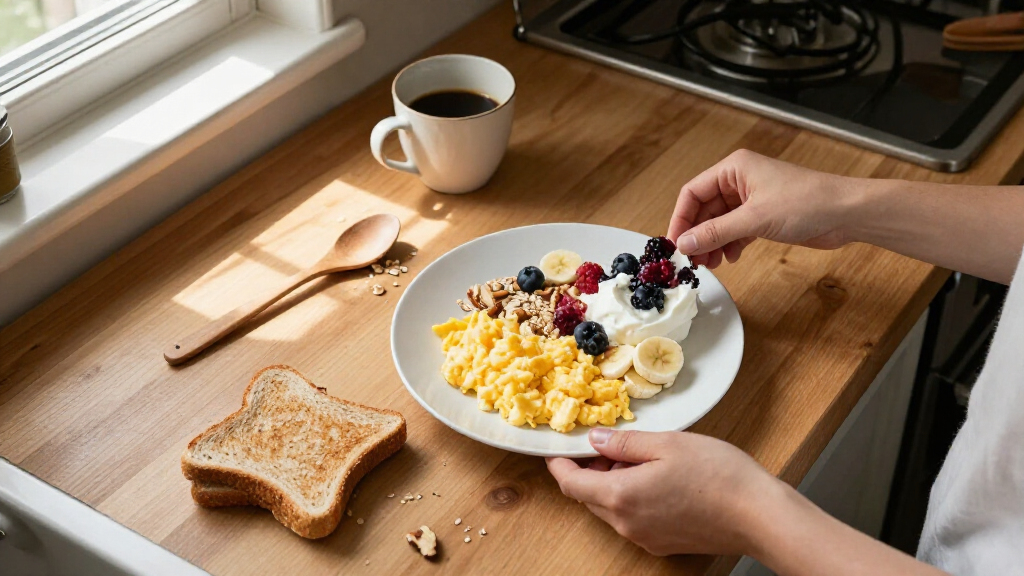
The report covers both foods that can be eaten on their own and ingredients that can be combined into a meal. It says a half-cup of low-fat cottage cheese has 14 grams of protein, while a cup of Greek yogurt contains 24 grams, according to the figures cited in the article. It recommends adding fruit, or using cottage cheese on whole-grain toast; for yogurt, it suggests plain varieties with fruit, nuts or granola for people watching added sugars.
Other suggestions include eggs, whole grains, bananas and berries. The article says one egg has about 8 grams of protein and two large eggs provide more than half the daily choline requirement. It describes whole-grain bread and grains such as quinoa, farro, buckwheat and millet as possible bases for breakfast bowls. Berries can be added to cereal or yogurt; the report gives a cup of strawberries as providing 3 grams of fiber and a day’s vitamin C needs.
For a make-ahead option, the article offers chia pudding: combine one-quarter cup chia seeds with one cup of milk, refrigerate overnight and add toppings such as fruit or nut butter. It says a 1.5-ounce serving of chia seeds can contain about 7 grams of protein. Fischer recommends adding spinach and high-fiber fruit to protein shakes and choosing protein powder with all nine essential amino acids, third-party verification and few added ingredients.
Building a More Filling Breakfast
The roundup matters as a practical guide to assembling breakfast from familiar foods, with examples that combine protein, fiber and fruit. Its suggestions can help readers compare options and adapt them to their routines: eggs or cottage cheese on whole-grain toast, for example, or berries and nuts mixed into plain yogurt.
The article’s nutrition figures are not a guarantee of a particular health result. Serving sizes, product formulations and individual dietary needs vary, and the report does not compare these foods in a controlled study. Its value is in outlining choices and preparation ideas, not proving that eating a specific breakfast will improve mood, immunity or heart health.
Popular right now

Vitamix Propel Series 510 Professional-Grade Blender, 3 Programs, Black

Ninja Foodi 10-Qt DualZone Smart XL Air Fryer, 6-in-1, DZ550

eufy E25 Robot Vacuum and Mop Combo with HydroJet Roller Mop
As an affiliate, we earn on qualifying purchases.
The Foods Behind the Roundup
The supplied report describes eight options: chia pudding, cottage cheese, Greek yogurt, whole grains, protein shakes, bananas, eggs and berries. It highlights protein in dairy foods and eggs, fiber in chia seeds, fruit and whole grains, and nutrients such as calcium, vitamin B12, potassium and vitamin C. The article also points readers toward combinations, rather than treating each item as a complete meal.
Some of its claims are presented as general nutrition information, while others are attributed to Fischer. For shakes, Fischer says they can be a way to include vegetables at breakfast and advises checking protein powders for complete protein and outside quality testing. The source material does not provide study citations or detailed methods for several health-effect statements, so those claims should be read as the article’s characterization rather than as independently established findings here.
“Protein shakes are a great way to get in veggies with breakfast.”
— Amy Fischer, M.S., R.D., C.D.N., as quoted by Good Housekeeping
Limits of the Nutrition Claims
The material supplied does not give the report’s publication date, identify the studies behind several health claims or specify the brands and serving variations used for all nutrient figures. Nutrition values can differ by product and portion, including protein content and added sugar in yogurt or protein powder. The report also does not set out individualized guidance for people with allergies, medical conditions or specific dietary needs.
Claims about benefits such as improved mood, reduced anxiety, lower cholesterol or protection of blood vessels are not accompanied in the supplied material by study details or evidence strength. They should not be treated as promised outcomes from eating a particular breakfast food.
Choosing Foods for Your Routine
Readers can use the list to compare ingredients and build a breakfast that suits their preferences, while checking nutrition labels for serving size, protein and added sugars. Those buying protein powder can look for third-party verification and review the ingredient list, as Fischer advises. The source material provides no announced follow-up, new research milestone or further publication schedule.
People with allergies or dietary restrictions should check labels and choose suitable alternatives: dairy products such as yogurt and cottage cheese contain milk, while chia pudding may include milk depending on how it is prepared. Nut toppings and some granolas can contain tree nuts or other allergens. The supplied report does not provide medical advice tailored to individual readers.
Key Questions
Which foods are included in the report?
It lists chia pudding, cottage cheese, Greek yogurt, whole grains, protein shakes, bananas, eggs and berries, with serving ideas for several of them.
Does the article name one best breakfast?
No. It presents a range of options and combinations rather than ranking one food or meal as best for everyone.
What does the report say about protein powder?
Amy Fischer recommends choosing a powder that provides all nine essential amino acids, has third-party verification and has a short ingredient list, while avoiding added sweeteners, fillers and stabilizers.
How can chia pudding be prepared?
The report’s recipe combines one-quarter cup chia seeds with one cup of milk. Stir, cover and refrigerate overnight; add toppings such as fruit or nut butter. Check toppings and milk alternatives for allergens that apply to you.
Source: rss