
TL;DR

Get kitchen staples and gadgets delivered free — and shop member deals
- Fast, free delivery on millions of items
- Access to Prime Big Deal Days deals on October 6–7
- Prime Video, Amazon Music and more included
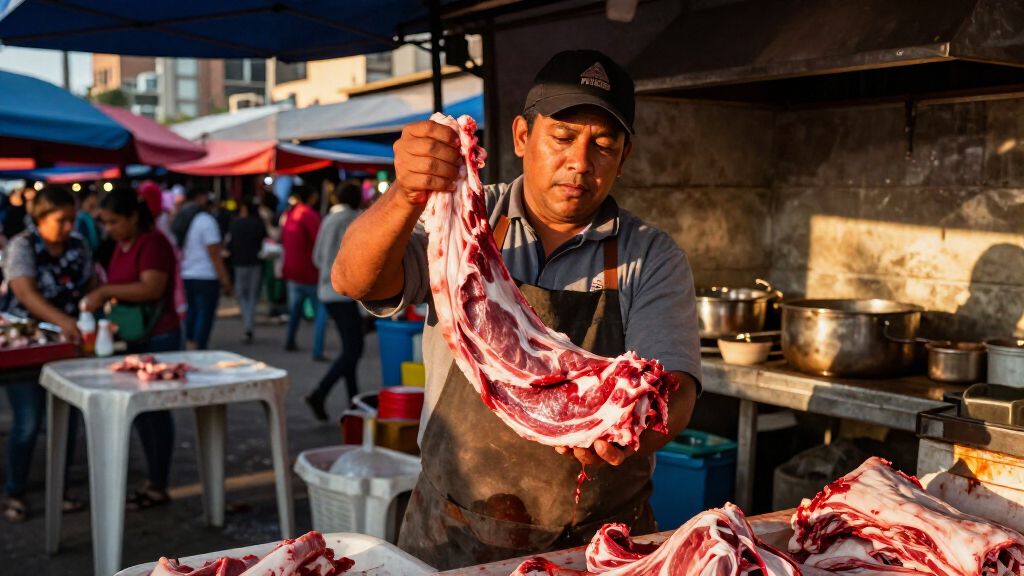
In Bogotá, numerous informal meat stalls operate without official health oversight, raising concerns about food safety. Authorities are investigating, but the extent of unregulated vendors remains unclear.
Multiple informal meat stalls in Bogotá continue to operate without official health regulation, raising concerns about food safety and public health. Authorities have confirmed ongoing investigations into these vendors, but many remain unregulated, posing potential risks to consumers.
Local health officials in Bogotá confirmed that a significant number of meat vendors operate outside formal regulation, often without proper hygiene practices or inspection. These stalls are prevalent in various neighborhoods, especially in informal markets and street corners, where consumers frequently purchase meat for daily meals.
While some vendors claim to follow basic hygiene standards, authorities have found that many do not meet minimum safety requirements, such as proper refrigeration, sanitation, or meat sourcing protocols. The investigation was prompted by increasing consumer complaints and reports of spoilage and contamination.
Officials have begun inspections and issued warnings to vendors, but enforcement remains challenging due to the widespread and decentralized nature of these informal stalls. No fatalities or widespread outbreaks have been officially linked to these vendors yet, but health experts warn of potential outbreaks of foodborne illnesses if regulation is not enforced.
Health Risks and Public Safety Implications of Unregulated Meat
The operation of unregulated meat stalls in Bogotá presents significant health risks, including the potential for foodborne illnesses caused by contamination, improper handling, or spoiled meat. Consumers, often unaware of the vendors’ lack of regulation, are at increased risk of infections such as salmonella or listeria.
This situation underscores broader challenges in urban food safety regulation, especially in informal economies where enforcement is difficult. If unchecked, these stalls could contribute to outbreaks that strain public health resources and erode consumer confidence in local food supply chains.
As an affiliate, we earn on qualifying purchases.
Rise of Informal Meat Vendors in Bogotá’s Markets
Over recent years, Bogotá has seen a growth in informal markets and street vendors, driven by economic necessity and limited regulation capacity. Many vendors operate without permits, often sourcing meat from unverified suppliers or local slaughterhouses that lack official oversight. The trend is part of a broader pattern of informal economic activity in the city, which provides livelihoods but complicates regulatory efforts.
Previous reports have highlighted concerns about hygiene and food safety in these markets, but recent spikes in interest and coverage suggest a growing public awareness of the risks involved. The current investigation is part of a wider push by authorities to address food safety in informal sectors.
Extent and Enforcement of Regulatory Actions in Bogotá
It is not yet clear how widespread the unregulated meat stalls are across Bogotá, or how effectively authorities will enforce closures or sanctions. The investigation is ongoing, and many vendors continue to operate without official oversight. Details about the specific number of unregulated stalls or the progress of enforcement efforts remain unconfirmed.
Next Steps in Addressing Unregulated Meat Sales
Authorities are expected to continue inspections and increase enforcement efforts in the coming weeks. Public health campaigns may be launched to educate consumers about food safety risks associated with informal vendors. Long-term solutions may involve formalizing certain sectors or improving regulation capacity to better monitor and control informal markets.
Key Questions
Are there any health incidents linked to unregulated meat stalls in Bogotá?
Currently, no official reports confirm outbreaks or health incidents directly linked to these stalls, but health officials warn of potential risks if regulation is not enforced.
What are the main health risks associated with unregulated meat sales?
Potential risks include contamination with bacteria like salmonella, listeria, or E. coli, as well as spoilage due to improper storage or handling practices.
How are authorities planning to address the issue?
Officials plan to increase inspections, issue sanctions, and launch public awareness campaigns. Long-term strategies may include formalizing some vendors and improving oversight capacity.
Can consumers identify regulated versus unregulated stalls?
Regulated stalls typically display official permits and follow hygiene standards, but consumers are advised to be cautious and look for signs of cleanliness and proper handling.
Source: local
NFL season / tailgating Picks
team gear
As an affiliate, we earn on qualifying purchases.