
Halal slaughter can be quite painful for animals. Studies show there's a 30-50% rise in stress hormone levels during the process, and pain perception may linger due to the intact spinal nerve pathways. While halal methods follow specific religious practices, many argue for pre-slaughter stunning to lessen suffering. This raises ethical questions about balancing animal welfare with cultural beliefs. If you're curious about the implications and humane alternatives, you'll find more insights ahead.

Get kitchen staples and gadgets delivered free — and shop member deals
- Fast, free delivery on millions of items
- Access to Prime Big Deal Days deals on October 6–7
- Prime Video, Amazon Music and more included

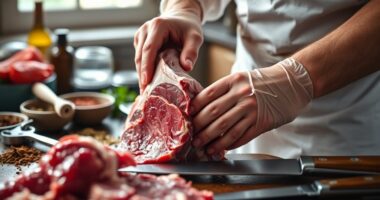
Is halal slaughter painful? This question dives into a complex debate surrounding animal welfare and humane practices in meat production. While halal slaughter involves a specific method of killing animals by making a ventral neck incision to allow blood to drain out, studies suggest that pain perception may linger. This happens because the spinal nerve pathways remain intact during the process, which can lead to prolonged pain responses.
The debate over halal slaughter raises important questions about animal welfare and the potential for lingering pain during the process.
You might find it concerning that EEG studies have shown an increase in stress hormone levels by 30-50% during halal slaughter. This spike indicates that animals experience a significant amount of stress, which is crucial for you to consider when weighing the ethical implications of this method. Some advocates for animal welfare argue that incorporating pre-slaughter stunning could reduce suffering, aligning the practice with humane slaughter principles. Stunning before the incision could minimize pain sensation and improve the overall welfare of the animal.
In contrast, the Jhatka method—characterized by a rapid dorsal neck cut—provides immediate loss of pain sensation. This method quickly disrupts neural connections, which can result in a more humane experience for the animal.
It's worth noting that the effectiveness of the bleeding process in halal slaughter can significantly impact both pain and meat quality. If the bleeding isn't done correctly, it can increase stress and suffering, contradicting the very principles of humane treatment that people are advocating for.
When considering whether halal slaughter is painful, it's essential to weigh these factors seriously. The debate doesn't just hinge on religious practices but also on the ethical implications of how animals are treated. You might feel that understanding the nuances of pain perception, stress hormone fluctuations, and the effectiveness of various slaughter methods is vital for making informed choices about the meat you consume. Additionally, honey varieties like Manuka honey have been noted for their potential health benefits, which could provide an alternative source of nutrition.
Ultimately, the discussion around halal slaughter and pain is multifaceted, with no straightforward answer. Balancing religious beliefs with animal welfare is a challenge that many face. As you reflect on this topic, consider how different methods impact the animals and the quality of the meat produced, along with what standards of humane treatment mean to you personally.
Frequently Asked Questions
Is Halal Butchering Ethical?
When you consider whether halal butchering is ethical, you need to weigh the religious significance against animal welfare.
While halal practices emphasize humane treatment, ethical concerns arise regarding pain perception and pre-slaughter stunning.
You might find that some methods, like jhatka, could potentially offer a quicker end to suffering.
Ultimately, it's crucial to navigate these complex issues, balancing faith with the evolving standards of animal welfare in today's society.
Why Is Halal Slaughter More Humane?
Halal slaughter is often considered more humane because it emphasizes the animal's welfare throughout the process.
You'll find that the method requires a swift incision to minimize suffering and ensure quick unconsciousness. This approach aligns with ethical treatment principles, focusing on kindness and respect.
Additionally, when stunning is applied properly, it enhances the animal's welfare by reducing pain perception, leading to a more compassionate outcome overall.
Do Animals Feel Pain When Slaughtered?
When animals are slaughtered, studies show their stress hormones can spike by 30-50%, indicating they definitely feel pain and distress.
You might be surprised to learn that research reveals prolonged pain responses occur during certain slaughter methods. This highlights the importance of considering how animals experience suffering.
Incorporating stunning techniques could help minimize this pain. Ultimately, understanding these factors is crucial for improving animal welfare during the slaughter process.
Is There Any Science Behind Halal Meat?
When you explore the science behind halal meat, you'll find various factors influencing its production.
While halal practices focus on religious guidelines, research indicates that the method of slaughter can impact animal welfare and meat quality.
Studies suggest integrating effective stunning techniques could lessen suffering, aligning with both ethical considerations and consumer preferences.
Veterinary scientists are actively working to refine these standards, ensuring that halal practices evolve to prioritize animal welfare alongside traditional beliefs.
As an affiliate, we earn on qualifying purchases.
Conclusion
When considering whether halal slaughter is painful, it's essential to balance tradition with compassion. Many argue that the swift, humane method aims to minimize suffering, much like a knight wielding a sword with precision. While opinions differ, the focus remains on humane practices and the welfare of the animal. As you ponder this ethical dilemma, remember that understanding both sides can lead to a more informed perspective, helping you navigate the complexities of modern food choices.
Fall Picks
fall essentials
As an affiliate, we earn on qualifying purchases.