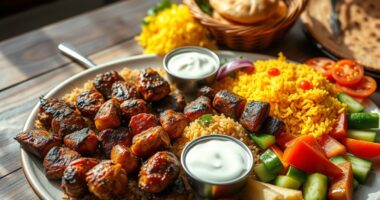
Halal meats are those permitted for consumption according to Islamic law. This includes beef, lamb, chicken, fish, and game birds, while pork and reptile meat are strictly off-limits. For meat to be considered halal, it must undergo a specific slaughtering process called zabihah, which ensures humane treatment and dietary guidelines. Halal certification guarantees that the meat adheres to these standards. You're just scratching the surface—there's a lot more to discover about halal options and their benefits.

Get kitchen staples and gadgets delivered free with Prime
- Fast, free delivery on millions of items
- Prime Video, Amazon Music and more included
- Member-only deals all year
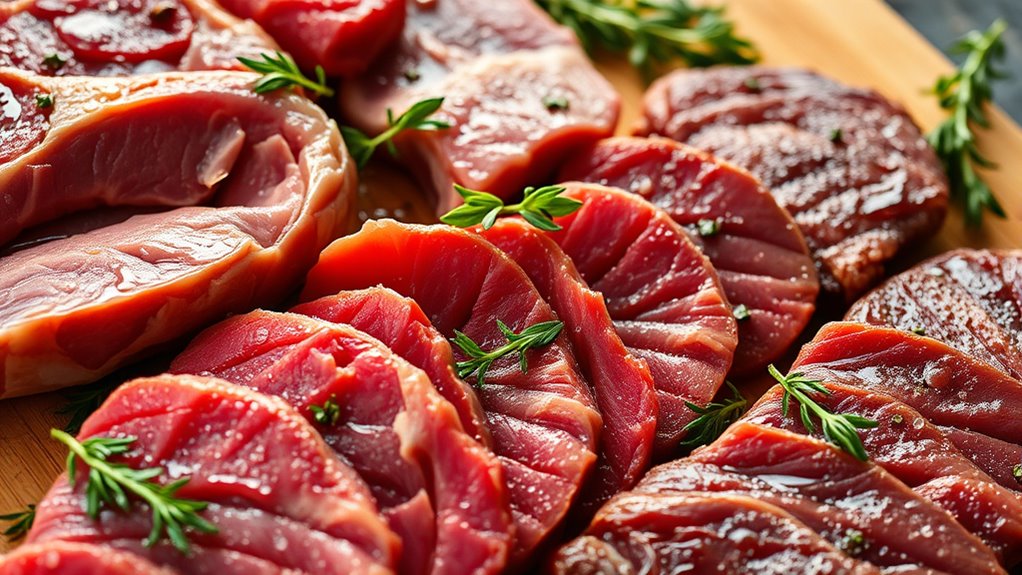
When it comes to choosing halal meats, understanding the guidelines set by Islamic law is essential. Halal meats are permissible for consumption according to these guidelines, which include a variety of options like beef, lamb, chicken, fish, venison, and game birds. However, it's crucial to note that pork and reptile meat are strictly forbidden.
When you're shopping for meat, ensuring it meets halal standards means looking out for halal certification. This certification guarantees that the meat adheres to Islamic dietary laws and is processed in a manner that aligns with these principles.
The halal slaughtering process, known as zabihah, is a vital aspect of halal meats. This method requires the pronouncement of Allah's name at the time of slaughter, ensuring a spiritual connection. Additionally, the humane treatment of animals is a significant focus during this process. The animals are treated ethically, fed a natural diet, and raised in hygienic conditions.
This not only aligns with Islamic beliefs but also results in healthier meat that's rich in vitamins, omega-3 fats, and antioxidants. By choosing halal, you're likely opting for meat that's not only ethical but also beneficial for your health. Understanding the importance of halal certification can help consumers make informed choices about their meat options.
As the global halal food market continues to grow, valued at over $2 trillion, the demand for halal options is becoming more pronounced. This expansion reflects the diverse populations seeking out halal products. Many people beyond the Muslim community are discovering the benefits of halal meats, leading to an increase in availability and variety.
You might find that your local grocery store or butcher offers more halal options than ever before, making it easier to incorporate these choices into your diet.
When selecting halal meats, always check for halal certification to ensure compliance with Islamic dietary laws. This involves detailed inspections of processing practices to prevent cross-contamination and maintain the integrity of halal products.
Frequently Asked Questions
What Are the Guidelines for Halal Meat?
When you're looking for halal meat, you need to follow specific guidelines.
First, ensure it comes from permissible animals like beef or chicken. The slaughter process must be humane, invoking Allah's name, and allowing for complete bleeding.
Only a Muslim or a member of the People of the Book can perform this slaughter.
Additionally, check that the animal was fed a natural diet and that no harmful additives were used in processing.
What Classifies Meat as Halal?
To classify meat as halal, you need to consider a few key factors: the animal's health, the humane treatment throughout its life, and the method of slaughter.
The slaughter must be done while invoking Allah's name, ensuring the animal remains conscious. Additionally, the animal should be fed a natural vegetarian diet, and any additives must be halal-compliant.
Lastly, certification from halal authorities is crucial to verify that all standards are met.
What Are the Criteria for Halal Meat?
To classify meat as halal, you need to ensure it meets specific criteria.
The animal must be healthy and raised humanely, primarily fed a natural vegetarian diet. During slaughter, a qualified person must invoke Allah's name, and the animal should be conscious.
A sharp instrument is used for a swift, humane death, ensuring all blood drains from the carcass.
Lastly, halal certification verifies compliance with dietary laws, free from harmful additives.
What Is the Difference Between Halal Meat and Regular Meat?
Did you know that over 1.8 billion Muslims worldwide follow halal dietary laws?
The main difference between halal meat and regular meat lies in the slaughtering process and dietary guidelines. Halal meat comes from animals killed according to Islamic law, ensuring humane treatment and specific blood drainage for quality.
In contrast, regular meat mightn't adhere to these ethical standards, and it can include animals that aren't permissible in Islam, like pork.
As an affiliate, we earn on qualifying purchases.
Conclusion
Now that you know what halal meats are, you might be wondering where to find them and how they can enhance your meals. Imagine savoring a dish that not only delights your taste buds but also aligns with your values. What if you discover a new favorite recipe that elevates your cooking? The world of halal meats is waiting for you to explore. Are you ready to take the plunge and experience the rich flavors and traditions?
Halloween Picks
halloween
As an affiliate, we earn on qualifying purchases.