
TL;DR

Get kitchen staples and gadgets delivered free with Prime
- Fast, free delivery on millions of items
- Prime Video, Amazon Music and more included
- Member-only deals all year
Good Housekeeping has published nine ideas for organizing kitchens, including hanging frequently used utensils, adding wall storage and using drawer inserts. The suggestions are design guidance, not a reported study; their fit depends on a kitchen’s layout, storage needs and safe installation.
Good Housekeeping has published nine kitchen organization ideas that use walls, shelves, drawers and refrigerator compartments to make everyday items easier to store and reach. The suggestions range from a pegboard for frequently used utensils to drawer dividers and a built-in knife block, offering readers practical options for kitchens with different storage constraints.
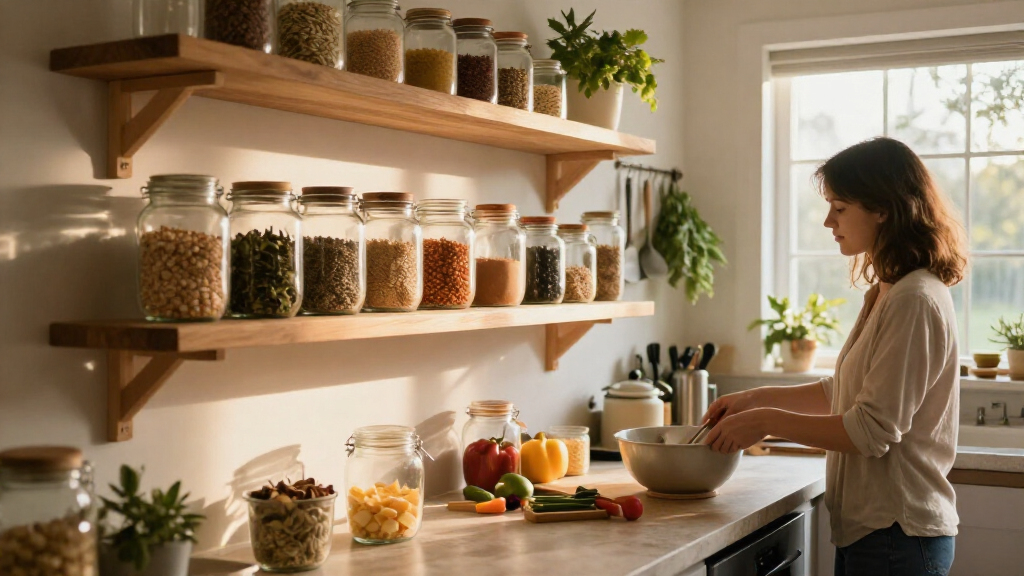
Several of the ideas move storage onto otherwise unused wall space. Good Housekeeping recommends mounting a pegboard for regularly used tools such as a whisk, cutting board or cheese grater; installing rows of shelves to display spices in matching jars; and using a plate rack to store dishes outside a cabinet. A towel bar above the sink is another proposed way to keep selected tools within reach.
Other suggestions focus on making existing storage easier to use. The report proposes adding small wooden drawers to an open shelf for spices or measuring spoons, and placing customizable plastic or wooden dividers in drawers so platters and casserole dishes do not need to be stacked. It also suggests a knife block fitted inside a narrow drawer and bracketed shelves for glassware in an open wall area.
For the refrigerator, Good Housekeeping advises arranging food so it remains visible, with fruits and vegetables on shelves or in crisper drawers. The article gives leafy greens as an example of produce suited to the crisper, and recommends placing dairy on upper shelves and meat on lower shelves or in bottom drawers. The suggestions are presented as organizational ideas, not as measured results or a test of food-storage systems.
Making Everyday Kitchen Storage Easier
The ideas address a common practical problem: frequently used tools and dishes can be hard to find when storage is crowded or poorly arranged. Putting selected items within reach may make routine tasks more convenient, while drawer dividers and small containers can help separate items that otherwise become stacked or mixed together.
The list also gives renters and homeowners options that do not all require new cabinetry. A towel bar, shelf or pegboard can use wall space, while drawer inserts can reorganize storage already in place. These are suggestions rather than guarantees: available wall space, installation limits and household routines will determine which approach is useful. Wall-mounted fixtures need secure attachment and should not be placed where they obstruct work areas or create hazards.
Refrigerator organization has a food-safety dimension as well as a convenience one. The source’s advice to place meat low in the refrigerator can help keep drips away from other foods, but readers should also follow current food-safety guidance for safe temperatures, storage times and separation of raw meat. Organization alone does not establish that food is safe to eat.
Popular right now

De'Longhi Linea Classic Espresso Machine with Adjustable Milk Frother

KitchenAid Classic Series 4.5 Quart Tilt-Head Stand Mixer K45SS, Onyx Black

De’Longhi Classic Matte Black Espresso Machine with Milk Frother
As an affiliate, we earn on qualifying purchases.
From Wall Space to Refrigerator Drawers
The source is a Good Housekeeping home-organizing article by Laura Millar, a freelance lifestyle journalist whose work has appeared in several publications. The article also identifies Monique Valeris as the magazine’s home design director. Its nine ideas cover several parts of a kitchen rather than one full redesign: walls, open shelves, drawers and the refrigerator.
The recommendations include both visible storage, such as displayed spices and glassware, and concealed storage, such as drawer inserts and a knife block. The source does not provide prices, product testing, installation instructions or evidence comparing the ideas’ effectiveness. Its focus is inspiration and practical layout suggestions, so readers should adapt them to their own kitchens rather than treat the list as a universal plan.
Which Ideas Fit Each Kitchen?
The article does not report whether the ideas were tested, how much space or money each requires, or how readers have used them. It also does not give installation specifications for shelves, pegboards, towel bars or a built-in knife block. Wall strength, cabinet and drawer dimensions, and household safety needs will affect whether a particular option is suitable.
The refrigerator recommendations are brief and do not specify operating temperatures, storage durations or detailed food-safety procedures. The source’s placement suggestions should not be read as a complete food-safety guide. No product endorsements, measured savings or follow-up outcomes are provided in the supplied material.
Choosing and Adapting Storage Changes
The source material does not announce a follow-up, scheduled update or next publication milestone. For readers considering the ideas, the next step is to identify which items are hardest to reach and which unused spaces could safely hold storage. Measure drawers and available wall areas before buying inserts or installing fixtures, and check appropriate anchors and weight limits for mounted shelves and racks.
For refrigerator changes, keep raw meat contained and separate from ready-to-eat foods, and use a reliable appliance thermometer to follow food-safety temperature guidance. The broader outcome remains individual: whether these arrangements improve access or reduce clutter will depend on the kitchen and how its occupants use it.
Key Questions
What are the nine kitchen organization ideas?
Good Housekeeping suggests a pegboard wall, spice shelves, a plate rack, mini drawers, organized refrigerator zones, drawer dividers, a built-in knife block, bracketed shelves and a towel bar.
Which ideas use wall space?
The list includes a pegboard, shelves for spices or glassware, a plate rack and a towel bar. Before mounting any fixture, check the wall surface, suitable hardware and the fixture’s weight limits.
How does the article suggest arranging refrigerator food?
It suggests keeping produce on shelves or in crisper drawers, placing dairy on upper shelves and storing meat on lower shelves or in bottom drawers. These are organization suggestions, not a complete food-safety guide; keep raw meat contained and follow current temperature and storage guidance.
Does the article show that these ideas reduce food waste?
No measured results are given in the source material. Good Housekeeping says keeping food visible may help people notice what they have, but it provides no study or quantified waste reduction.
Source: goodhousekeeping.com