Muslim festivals around the world are vibrant celebrations filled with unique traditions and regional flavors. You’ll find delicious dishes like ketupat in Indonesia or biryani in South Asia, showcasing the rich culinary practices. These festivals foster community bonds and invite interfaith dialogue, promoting unity beyond religious boundaries. Each region’s celebration reflects its history and cultural identity, bringing people together in joyous gatherings. Discover more about the fascinating customs and dishes that make these festivals special.
Listen free for 30 days with Audible
Thousands of audiobooks and originals — cancel anytime.
As an affiliate, we earn on qualifying purchases.
Key Takeaways
- Muslim festivals vary across regions, showcasing unique customs, traditions, and culinary practices that enhance cultural identity.
- Eid al-Fitr features distinct regional dishes like ketupat in Indonesia and biryani in South Asia, enriching celebratory meals.
- Middle Eastern celebrations are characterized by street fairs, lanterns, and traditional foods like lamb kebabs, reflecting local history.
- Interfaith participation in festivals fosters understanding and strengthens community bonds beyond religious boundaries.
- Festivals serve as platforms for cultural exchange, showcasing the rich diversity of Muslim communities worldwide.
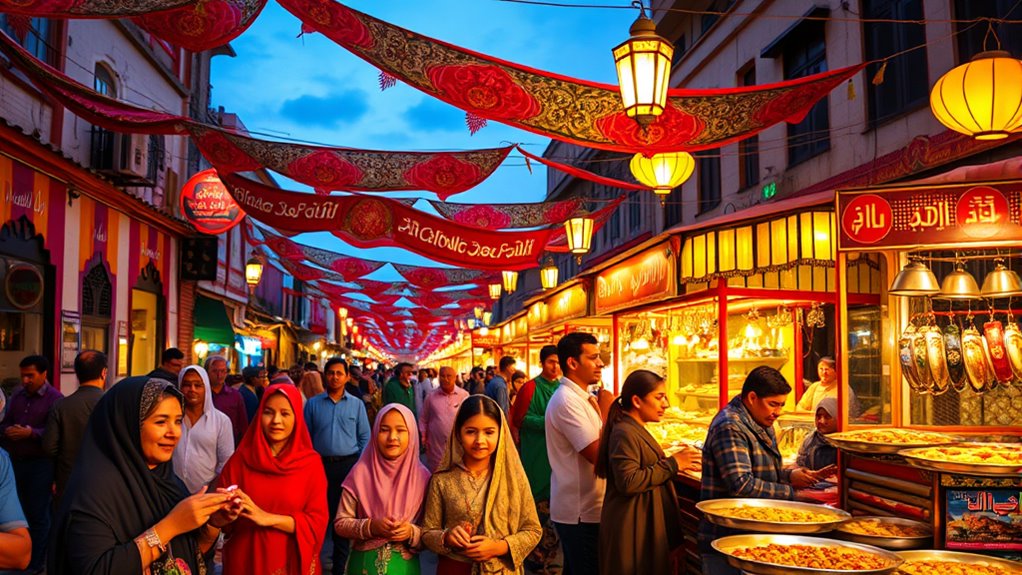
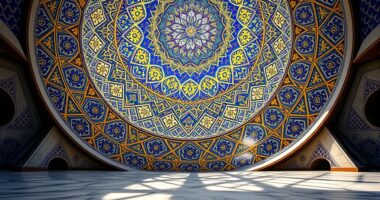
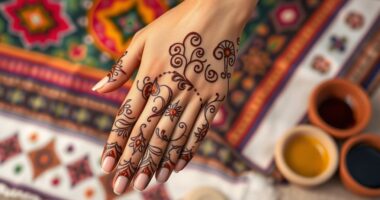
Celebration is at the heart of Muslim festivals, bringing communities together in joyful observance of faith and tradition. When you immerse yourself in the diverse regional celebrations around the world, you’ll discover how these festivals unite people through shared beliefs and cultural expressions. Each region adds its unique flavor to the festivities, showcasing vibrant customs and culinary traditions that reflect local heritage.
Muslim festivals celebrate faith and tradition, uniting communities through vibrant customs and shared cultural expressions.
Take Eid al-Fitr, for example. While it marks the end of Ramadan, its celebration varies from one country to another. In Indonesia, you might find families preparing delicious ketupat, a rice cake wrapped in woven palm leaves, while in Egypt, sweet treats like basbousa and kunafa fill the tables. You can’t help but savor the variety of flavors and aromas that fill the air during these celebrations. The culinary traditions not only nourish the body but also strengthen bonds within families and communities.
During these festivals, interfaith dialogue often flourishes. As you participate in local events, you’ll notice how non-Muslims join in the festivities, celebrating together with their Muslim friends and neighbors. This openness fosters a spirit of understanding and respect, breaking down barriers and building friendships. You’ll find that inviting others to share in the joy of the festivals creates a sense of unity that transcends religious differences.
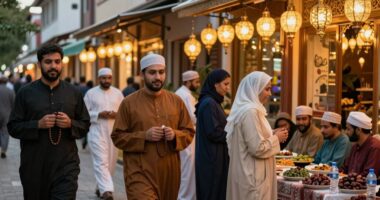
In South Asia, particularly in countries like Pakistan and India, Eid is celebrated with great enthusiasm. You’ll see colorful bazaars bustling with people shopping for new clothes, decorations, and, of course, food. Families come together to share traditional dishes like biryani and nihari, creating a feast that’s hard to forget. The communal prayers and festive meals help reinforce the importance of togetherness and gratitude, values that resonate deeply across cultures.
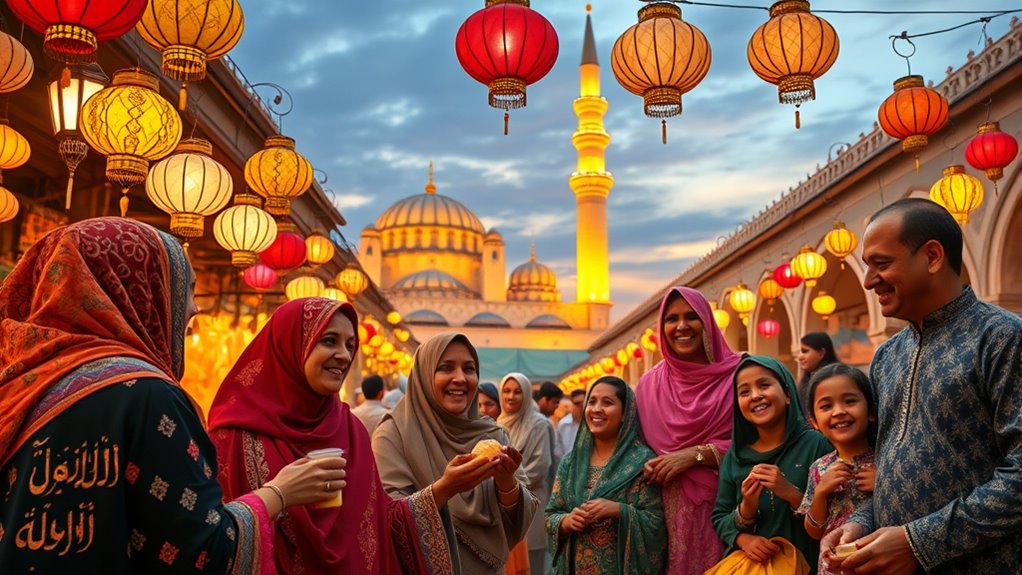
In the Middle East, the celebrations take on a different charm. You might find yourself amidst lively street fairs adorned with lanterns and lights, where people gather to enjoy music, dance, and food. The culinary traditions here highlight the rich history of the region, with dishes like lamb kebabs and stuffed grape leaves taking center stage. Each bite tells a story of the land and its people, reminding you of the beauty of diversity. Additionally, these festivals contribute to biodiversity conservation by promoting local food systems that support sustainable agriculture and preserve traditional practices.
As you explore these regional celebrations, you’ll see that Muslim festivals are not just about religious observance; they’re a tapestry of culture, community, and connection. Through culinary traditions and interfaith dialogue, you’ll find that the spirit of celebration knows no boundaries.
Eid al-Fitr traditional food gift set
As an affiliate, we earn on qualifying purchases.
As an affiliate, we earn on qualifying purchases.
Frequently Asked Questions
What Are the Origins of These Muslim Festivals?
The origins of these Muslim festivals are deeply tied to cultural influences and historical roots. You’ll find that many celebrations stem from significant events in Islamic history, like the birth of the Prophet Muhammad or the conclusion of Ramadan. These festivals often reflect diverse traditions from the regions where Muslims live, blending local customs with religious practices. This fusion enriches the celebrations, making them unique to each community while honoring their shared faith.
How Do Local Customs Influence Festival Celebrations?
Local customs shape festival celebrations by infusing unique cultural elements into the experience. You might notice how people wear traditional cultural attire that reflects their heritage, adding vibrant colors and styles to the festivities. Additionally, regional music plays a significant role, enhancing the atmosphere and uniting communities. As you participate, these customs create a deeper connection to the festival, making it a rich tapestry of local traditions and shared joy.
Are There Any Non-Muslim Participants in These Festivals?
Yes, there are often non-Muslim participants in these festivals. You’ll find that interfaith participation enriches the celebrations, fostering a sense of community. Many locals join in, enjoying the cultural exchange and learning about Islamic traditions firsthand. This interaction not only promotes understanding but also strengthens bonds among diverse groups. So, when you attend, you’re likely to see people from various backgrounds coming together to celebrate and share in the joy of the festivities.
What Are Some Common Foods Associated With These Celebrations?
When it comes to festive foods, you’re in for a feast that could rival a royal banquet! Traditional dishes like biryani and kebabs steal the show, while sweet treats like baklava and maamoul add a sugary twist to the celebrations. You’ll also find delicious samosas and dates making their rounds, satisfying every palate. These festive treats embody the spirit of togetherness, making each bite a cherished experience during the joyous occasions.
How Do These Festivals Impact Local Economies?
These festivals critically impact local economies by providing an economic boost and attracting a tourism influx. You’ll notice shops and markets bustling with activity as locals and visitors alike indulge in festive foods and crafts. Restaurants see increased patronage, and local artisans benefit from selling their goods. This surge in activity helps create jobs and fosters community spirit, making the festivals not just a celebration but a essential source of economic vitality for the area.
Conclusion
As you explore the vibrant tapestry of Muslim festivals across the globe, it’s clear these celebrations foster unity and cultural exchange. Did you know that over 1.8 billion Muslims worldwide observe events like Eid al-Fitr and Eid al-Adha? This staggering number highlights the significance of these occasions, bringing together diverse communities in joy and reflection. Embracing these regional celebrations not only enriches your understanding but also deepens the bonds of friendship among people from different backgrounds.
Flea & tick season Picks
flea and tick prevention
As an affiliate, we earn on qualifying purchases.