🔍 Read the full analysis: Focaccia Genovese: The Dimpled, Olive-Oil-Soaked Bread Of Liguria on Mad Tasting
TL;DR
Focaccia Genovese, a traditional Ligurian flatbread known for its deep dimples and olive oil richness, can be recreated at home with simple techniques. This bread’s unique texture and flavor are rooted in specific ingredients and baking methods, making it a regional icon worth understanding.
Focaccia Genovese, also known as fugassa in Liguria, is a traditional flatbread distinguished by its deep dimples, tender crumb, and olive-oil-soaked surface. Recent culinary discussions highlight how to replicate its authentic character at home, emphasizing specific techniques and ingredients that define this regional specialty. For more details, see Focaccia Genovese: The Dimpled, Olive-Oil-Soaked Bread of Liguria.
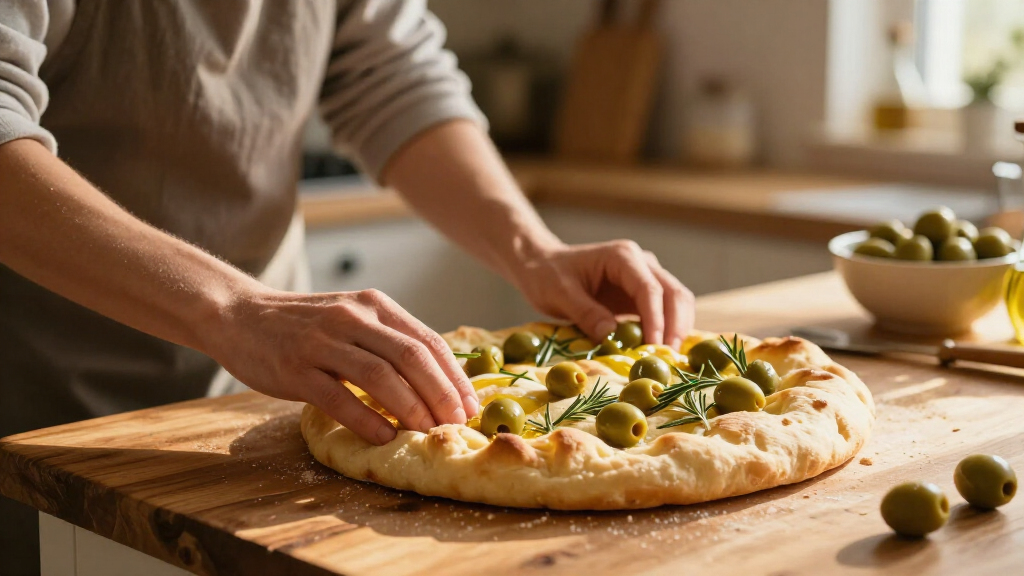
Focaccia Genovese is a relatively thin, yeast-leavened bread with a lightly crisp surface and a soft, elastic interior. It features prominent deep fingerprints pressed into the dough before baking, which are filled with a mixture of extra-virgin olive oil and salty brine. The bread is typically baked at a high temperature, around 450°F, in a hot metal pan, which helps develop its characteristic golden crust and fried-looking underside.
Unlike taller focaccias or focaccia di Recco, which may contain cheese or toppings, Focaccia Genovese is valued for its simple, pure ingredients—flour, water, yeast, salt, olive oil, and brine—whose combination produces its distinctive texture and flavor. The bread is often sold by weight in Genoa and is eaten as an everyday staple, often folded or torn into strips, with the oily surface leaving a shine on fingertips.
Home bakers can approximate this style by using about 500 grams of flour, a metal baking pan, and allowing sufficient resting time for the dough to become soft and supple. To learn more about the traditional preparation, visit the original analysis on Ligurian focaccia. The process involves stretching the dough into the oiled pan, pressing firm dimples, and baking quickly at high heat until golden and crispy at the edges. You can explore the detailed recipe and techniques at this comprehensive guide. The result should be a bread that is lightly crisp on the surface, tender inside, with salty, olive-oil pools in each dimple, embodying the essence of Ligurian coastal cuisine.
Focaccia Genovese: The Dimpled, Olive-Oil-Soaked Bread of Liguria
Known locally as fugassa, this yeast-leavened flatbread is defined by its deep hand-pressed dimples, tender elastic crumb, and an olive-oil-and-brine soak that leaves a shine on your fingertips. Simple ingredients, high heat, and centuries of tradition make it a regional icon.
Anatomy of an Authentic Fugassa
Focaccia Genovese is a relatively thin, yeast-leavened bread with a lightly crisp surface and a soft, elastic interior. Deep fingerprints pressed into the dough before baking fill with extra-virgin olive oil and salty brine, creating its signature pools of flavor.
Crisp Outside, Tender Inside
A lightly crisp, golden surface gives way to a soft, elastic crumb. The underside takes on a fried appearance from the oil-slicked metal pan.
Deep Hand-Pressed Dimples
Firm fingerprints pressed across the dough before baking collect the oil-and-brine mixture, producing salty olive-oil pools in every dimple.
An Everyday Genoese Staple
Sold by weight in Genoa, folded or torn into strips and eaten daily — with the oily surface leaving a shine on fingertips, a badge of authenticity.
From Dough to Golden Crust
Home bakers can approximate the authentic style with a soft, well-rested dough, a hot metal pan, and a fast, high-temperature bake. The chain below traces the essential technique.
Mix & Rest
Combine ~500 g flour, water, yeast, and salt. Rest until the dough becomes soft and supple.
Oil the Pan
Generously coat a metal baking pan with extra-virgin olive oil for the fried-looking base.
Stretch & Dimple
Stretch dough into the pan and press firm, deep dimples across the entire surface.
Brine Soak
Flood the dimples with a mixture of olive oil and salty brine before baking.
Bake at 450°F
Bake quickly at high heat until golden and crispy at the edges.
Focaccia Genovese vs. Other Focaccias
Unlike taller, topped, or cheese-filled regional variants, Focaccia Genovese is prized for purity: no toppings, no cheese — just oil, salt, and fermentation.
| Characteristic | Focaccia Genovese | Focaccia di Recco | Taller / Topped Focaccias |
|---|---|---|---|
| Deep dimples with oil & brine | ✓ Yes — defining feature | ✗ No | ~ Sometimes, shallower |
| Contains cheese | ✗ Never | ✓ Yes (formaggio) | ~ Occasionally |
| Toppings (herbs, vegetables) | ✗ Traditionally none | ✗ None | ✓ Common |
| Thin profile, tender crumb | ✓ Yes | ✓ Very thin, layered | ✗ Tall and airy |
| EU protected status | ~ Not currently | ✓ Protected | ✗ Varies |
Centuries of Ligurian Tradition
Focaccia Genovese traces its roots to ancient Roman and medieval baking traditions, where simple yeasted flatbreads served as everyday nourishment. Genoese bakeries maintain strict standards to uphold its regional identity, and interest in authentic regional foods continues to grow.
What Aspects of Authenticity Are Still Debated?
While the core characteristics are well established, respectable bakers guard their formulas — and several points remain under discussion among enthusiasts.
Fermentation Times
The exact length of fermentation varies between bakeries, producing slight differences in texture and flavor that are difficult to standardize.
Olive Oil Proportions
The precise ratio of olive oil — and which olive oils to use, given their varying robustness — remains a point of discussion among purists.
Home vs. Bakery
Some question whether home recreations can fully capture the traditional depth of flavor achieved in professional Genoese bakeries.
Variation Within Genoa
Each bakery may carry its own subtle differences while still adhering to the core principles — even within the same city.
Frequently Asked
Practical answers for home bakers looking to bring a taste of the Ligurian coast to their own kitchen.
What makes it different from other focaccias?
Moderate thickness, deep dimples filled with olive oil and salt, and a tender-yet-crisp texture distinguish it from taller, cheese-filled, or topped focaccias.
Can I make it authentically at home?
Yes — use a soft dough, press firm dimples, and bake quickly at high heat. Key ingredients are high-quality extra-virgin olive oil and a salty brine.
What olive oil should I use?
Ligurian extra-virgin oils are preferred for authenticity, but any fresh, fruity, delicately flavored oil works. Quality significantly impacts taste and texture.
Is it served with toppings?
Traditionally, no. It is enjoyed plain or with minimal seasoning, emphasizing olive oil and salt. Herbs and vegetables belong to other regional styles.
How should I store leftovers?
Keep in an airtight container at room temperature for up to one day. Reheat briefly in a hot oven or skillet to restore crispness before serving.
How is it eaten in Genoa?
Sold by weight and eaten as an everyday staple — often folded or torn into strips, with the oily surface leaving a shine on the fingertips.
Why Authentic Focaccia Genovese Matters in Culinary Culture
Understanding and recreating Focaccia Genovese is important because it exemplifies Liguria’s regional food identity, emphasizing simple ingredients and techniques that highlight local flavors. Its distinctive texture and flavor profile reflect a culinary tradition rooted in everyday life, making it a beloved staple for locals and a point of pride for Genoese bakers. For home cooks and food enthusiasts, mastering this bread offers a tangible connection to Ligurian culture and a way to experience its coastal flavors beyond travel.
Moreover, the bread’s emphasis on quality olive oil, salt, and fermentation underscores broader themes in Italian regional baking—namely, that simplicity and ingredient quality are key to authentic flavor. Reproducing Focaccia Genovese at home allows for appreciation of these principles and the craftsmanship behind Ligurian breadmaking.
As an affiliate, we earn on qualifying purchases.
Historical and Regional Context of Focaccia Genovese
Focaccia Genovese, known locally as fugassa, has been a staple of Ligurian cuisine for centuries. Its roots trace back to ancient Roman and medieval baking traditions, where simple, yeasted flatbreads served as everyday nourishment. The bread’s defining features—dimples, olive oil, and salt—have been preserved through generations, with bakeries in Genoa maintaining strict standards to uphold its regional identity.
In recent years, there has been increased interest in authentic regional foods, leading to more attention on the specific techniques and ingredients that make Focaccia Genovese unique. While variations exist, traditional methods focus on a soft dough, deep dimples pressed by hand, and baking at high temperatures to achieve the signature texture. The European Union’s protected status for similar Ligurian breads, like Focaccia di Recco col formaggio, underscores the cultural importance of these regional specialties.
What Aspects of Authenticity Are Still Debated?
While the core characteristics of Focaccia Genovese are well established, there is ongoing debate about specific fermentation times, the exact proportion of olive oil, and regional variations in technique. Respectable bakers guard their formulas, leading to slight differences in texture and flavor that are difficult to standardize. Additionally, some question whether home recreations can fully capture the traditional depth of flavor achieved in professional bakeries.
It is also unclear how much regional variation exists within Genoa itself, as each bakery may have its own subtle differences while still adhering to the core principles. The role of specific olive oils, which can vary in flavor and robustness, also remains a point of discussion among enthusiasts.
Upcoming Trends and Opportunities for Home Bakers
As interest in regional Italian breads grows, more home bakers are experimenting with Focaccia Genovese, sharing their results online and refining techniques. Future developments may include detailed recipes, video tutorials, and workshops aimed at replicating the authentic texture and flavor. Additionally, discussions around regional variations and ingredient sourcing could lead to a broader appreciation of Ligurian baking traditions.
In the near term, bakers can expect to see increased availability of high-quality Ligurian olive oils and specialty salts, which will help improve the authenticity of homemade focaccia. Bakeries and culinary schools may also develop courses focused on regional breads, further preserving and promoting this culinary heritage.
Key Questions
What makes Focaccia Genovese different from other focaccias?
Its moderate thickness, deep dimples filled with olive oil and salt, and tender yet crisp texture distinguish it from taller, cheese-filled, or topped focaccias. The focus is on simple ingredients that highlight the coastal flavors of Liguria.
Can I make authentic Focaccia Genovese at home?
Yes, by using a soft dough, pressing firm dimples, and baking quickly at high heat, you can recreate its signature texture and flavor. Key ingredients include high-quality extra-virgin olive oil and a salty brine.
What type of olive oil should I use?
While Ligurian extra-virgin olive oils are preferred for authenticity, any fresh, fruity, and delicately flavored olive oil will work well. The oil’s quality significantly impacts the final taste and texture.
Is Focaccia Genovese served with toppings?
Traditionally, no. It is enjoyed plain or with minimal seasoning, emphasizing the flavor of the olive oil and salt. Toppings like herbs or vegetables are more common in other regional focaccias.
How should I store leftover focaccia?
Store in an airtight container at room temperature for up to one day. To restore crispness, reheat briefly in a hot oven or skillet before serving.
Source: Mad Tasting