🔍 Read the full analysis: Cicchetti And Ombra: The Venetian Art Of Bar Snacks And Small Glasses on Mad Tasting
TL;DR
Venice’s cicchetti are small, flavorful snacks served with a modest glass of wine called an ombra. This tradition, rooted in centuries-old social customs, remains vital to Venetian culture. The article details what they are, their history, and how to experience this authentic ritual.
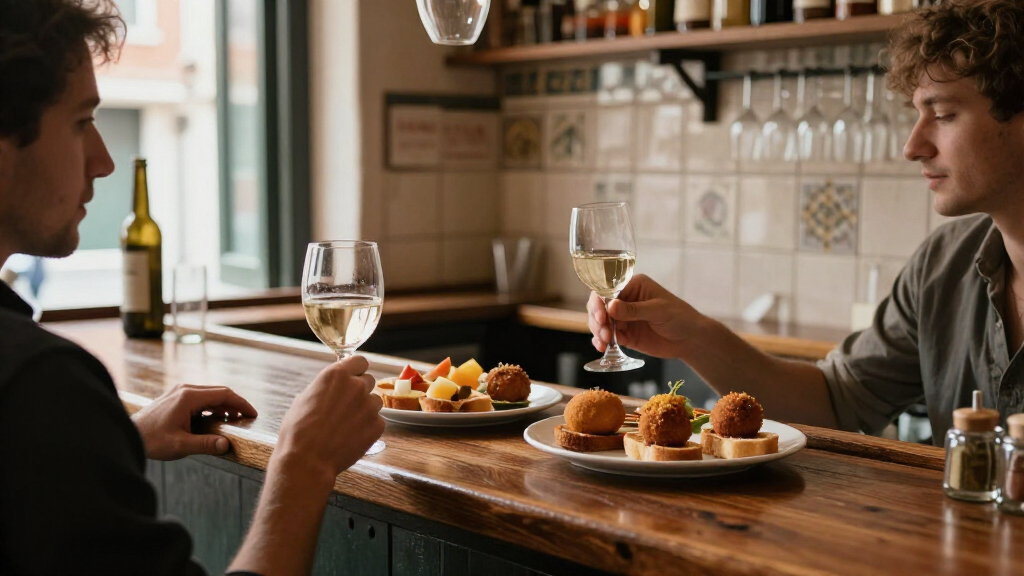
Venice’s centuries-old tradition of pairing small snacks, known as cicchetti, with a modest glass of wine called an ombra remains a vibrant part of the city’s social life. This practice, centered in the city’s bacari (wine bars), continues to define how Venetians eat, drink, and socialize in their daily routines.
Cicchetti are small, diverse Venetian snacks that can include whipped salt cod, sardines in saor, small fried meatballs, and marinated seafood. Each bar has its own specialties, making the experience highly local and variable. These bites are not mere miniature versions of full dishes but are crafted to be enjoyed in a few bites, emphasizing flavor and tradition.
The ombra is a small glass of local white or red wine, historically served in the shade of the campanile near St. Mark’s Square. The term means ‘shadow’ in Venetian dialect, referencing how wine sellers in the 1600s would follow the sun’s shadow to keep their wine cool. Today, ordering an ‘un’ombra’ involves requesting a small pour, typically around 100 ml, in a casual, friendly manner at a bacaro.
This pairing is more than just food and drink; it is a social ritual that encourages movement from bar to bar, with Venetians often hopping between several bacari in a single outing, a practice known as the giro d’ombre. This tradition reflects Venice’s pedestrian-centric culture, where every stop is brief, and the focus is on community, flavor, and local customs.
Cicchetti and Ombra
Small, intensely flavored snacks. A modest glass of local wine. A few friendly minutes at the counter. Together, they form a centuries-old Venetian ritual built around movement, community, and the character of each neighborhood bacaro.
One custom, three essential parts
The experience is deliberately compact: food in a few bites, wine in a small glass, and a bar visit short enough to keep the evening moving.
Cicchetti
Small Venetian snacks shaped by local ingredients and each bar’s specialties. Classics include baccalà mantecato, sarde in saor, fried meatballs, and marinated seafood.
Ombra
A modest pour of local white or red wine, traditionally around 100 ml. The name means “shadow” in Venetian dialect and recalls the wine sellers of St. Mark’s Square.
Bacaro
The informal Venetian wine bar where the pairing comes alive. Every bacaro has its own rhythm, regulars, recipes, counter display, and neighborhood identity.
A ritual shaped by the city
Venice’s maritime trade, lagoon ingredients, walkable streets, and historic wine culture all converged in the bacaro.
Wine in the shadow
Wine sellers near the campanile in St. Mark’s Square are said to have shifted their stalls with the moving shadow, keeping their bottles away from the sun and cool enough to serve.
Trade fills the pantry
Preserved fish, seafood, spices, vinegar, and sweet-sour flavors reflect Venice’s long history as a trading republic.
The ombra takes its name
Small glasses of wine become associated with the shade around the campanile and the practical habits of outdoor wine sellers.
The bacaro becomes the stage
Wine and compact snacks settle into an everyday social pattern, with distinctive preparations developing from bar to bar.
Tradition meets new pressure
Tourism and contemporary ingredients influence the scene, while local bars and preservation efforts keep the core ritual recognizable.
Why cicchetti are not simply tapas
Both traditions celebrate small plates and sociability, but cicchetti belong to Venice’s particular geography, pantry, scale, and bar-hopping rhythm.
| Dimension | Cicchetti | Spanish tapas |
|---|---|---|
| Geographic identity | Specifically Venetian | Regional traditions across Spain |
| Typical scale | Usually one or two bites | Ranges from a small bite to a shared plate |
| Signature pantry | Lagoon fish, preserved seafood, polenta, vinegar | Varies widely by Spanish region |
| Usual pairing | A small ombra of wine | Wine, beer, vermouth, or other drinks |
| Social rhythm | Brief stops across several bacari | May remain at one bar or move between venues |
Shared idea: convivial small plates · Distinct expression: Venetian history and place
The flavor architecture
The ideal pace
A brief pause, not a formal sittingHow to join the ritual
Visitors are welcome. The most authentic approach is simple: stay curious, order modestly, and let several short stops build the experience.
Start small
Order a bite or two rather than treating the counter like a full restaurant menu.
Follow the display
Choose what looks fresh and distinctive; each bacaro’s strongest offerings may differ.
Keep moving
A giro d’ombre gains its character from several bars, changing streets, and brief encounters.
Respect the local rhythm
Make room at busy counters, keep the exchange friendly, and avoid turning every stop into a long stay.
From lagoon pantry to living tradition
Why Cicchetti and Ombra Remain Central to Venetian Culture
This tradition offers a window into Venice’s social fabric, emphasizing community, local ingredients, and a relaxed pace of life. It also sustains small-scale local businesses and preserves culinary heritage that dates back centuries. For visitors, participating in a giro d’ombre provides an authentic experience of Venetian daily life, beyond the tourist spots.
As an affiliate, we earn on qualifying purchases.
Historical Roots of Venice’s Bar Snack Rituals
Venice’s history as a maritime republic and trading hub shaped its cuisine, with seafood, preserved fish, and spices playing central roles. The practice of eating cicchetti with ombra dates back to at least the 1600s, when wine sellers would set up stalls near St. Mark’s Square, following the sun’s shadow to keep their wine cool. Over centuries, this evolved into a social custom that remains vital today, with each bacaro offering its own take on traditional snacks.
Modern tourism has introduced many visitors to Venice’s culinary scene, but the cicchetti and ombra tradition continues to be a genuine expression of local life. It is distinct from Spanish tapas, rooted specifically in Venetian history and geography, emphasizing seafood and preserved flavors that reflect centuries of maritime trade.
What Aspects of the Tradition Are Still Evolving
While the core elements of cicchetti and ombra are well-established, there is ongoing variation among bacari in terms of specific snacks offered and the size of the ombra. It is also unclear how modern tourism and changing dining habits will influence this tradition in the long term. Some newer bars experiment with contemporary ingredients or fusion styles, but the extent to which these innovations are accepted by traditionalists remains to be seen.
Future of Venice’s Cicchetti and Ombra Culture
Venice’s bacari continue to adapt to modern tastes and tourism pressures, but the fundamental ritual persists. Efforts to promote authentic experiences include guided tours of the giro d’ombre and educational initiatives to preserve traditional recipes. As the city balances tourism with local culture, expect ongoing dialogue about maintaining the integrity of this centuries-old practice. Visitors can look forward to opportunities to participate in this social ritual, whether through organized tours or spontaneous bar hopping.
Key Questions
What exactly is a cicchetto?
A cicchetto is a small Venetian snack, typically served at a bacaro, that can include items like whipped salt cod, sardines in saor, or small fried meatballs. They are designed to be eaten in one or two bites, emphasizing flavor and tradition.
How do I order an ombra in Venice?
To order an ombra, you can say ‘un’ombra de bianco’ for white wine or ‘un’ombra de rosso’ for red. It’s a small pour, usually about 100 ml, served in a casual setting at a bacaro, and reflects the traditional local way of drinking wine.
Are cicchetti similar to Spanish tapas?
No, cicchetti are distinct from tapas. They are specific to Venice and focus on lagoon fish, preserved ingredients, and local flavors, rather than the broader variety found in Spanish tapas. They are also smaller and served in a different social context.
Can tourists participate in the giro d’ombre?
Yes, many bacari welcome tourists, and guided tours often include a giro d’ombre to introduce visitors to authentic Venetian bar-hopping traditions. However, locals typically hop between bars informally as part of their daily routine.
Will the tradition of cicchetti and ombra change in the future?
While some variation and modernization are likely, the core practice is expected to persist, as it remains a vital part of Venice’s cultural identity. Efforts to preserve traditional recipes and social customs are ongoing.
Source: Mad Tasting