TL;DR

Get kitchen staples and gadgets delivered free with Prime
- Fast, free delivery on millions of items
- Prime Video, Amazon Music and more included
- Member-only deals all year
The Kitchn’s Lauren Miyashiro reports that preheating a baking sheet while the oven heats can improve browning when roasting broccoli. She also recommends drying the florets and spreading them in one layer; the source offers personal cooking advice, not a tested comparison or guarantee.
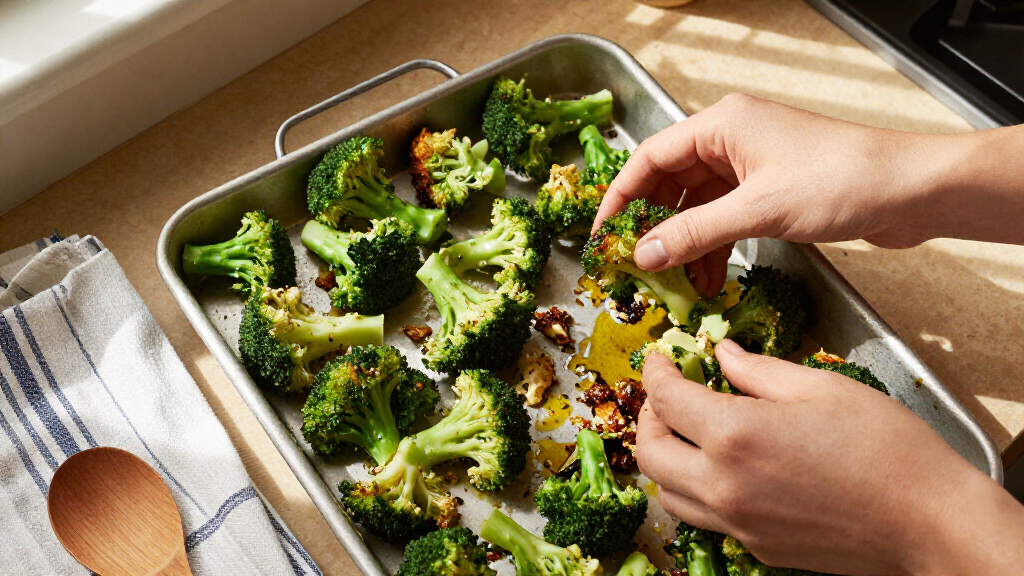
The Kitchn executive editor Lauren Miyashiro says she now preheats her baking sheet before roasting broccoli, a small change she credits with helping the florets develop browned, caramelized edges. The method, adapted from a recipe by a Kitchn colleague identified as Patty, matters to home cooks looking for crispier results from a familiar side dish, though the article presents it as personal experience rather than a controlled test.
The central instruction is to put the empty baking sheet in the oven as it preheats. Once the oven and pan are hot, Miyashiro says to add the prepared broccoli in a single layer. The contact with the hot surface is intended to encourage browning, while the oven cooks the florets through. The source does not give a specific oven temperature, roasting time, or broccoli-to-pan ratio in the supplied material.
Miyashiro also advises rinsing the broccoli and then blotting it as dry as possible. Her explanation is that excess surface water can create steam, which works against crisping. She suggests placing parchment on the hot tray just before adding the vegetables for easier cleanup, and cautions readers to remember that the pan is hot. When oven space allows, she recommends using a rack in the middle for a better chance at even cooking.
For seasoning, the article describes a simple combination of olive oil, salt and pepper. Miyashiro says the browned florets can taste flavorful with just those basics. She also mentions za’atar with lemon and a Caesar-style version as other options, but those are variations rather than requirements of the sheet-pan technique.
A Small Change for Better Browning
The method is useful because it changes one step in a routine recipe rather than calling for new equipment or elaborate preparation. If preheating the tray produces more browned surfaces, cooks may get a crisper texture from the same ingredients and cooking setup. Drying the florets supports that aim by limiting moisture that can turn into steam.
The source’s case is practical, not scientific: Miyashiro describes a result she enjoys and says her children eat the broccoli, but it does not provide a side-by-side test, measured crispness, or evidence that every oven and pan will produce the same outcome. Readers can treat the technique as a low-effort tip to try, rather than a guarantee.
Popular right now

Vitamix 5200 Professional-Grade Blender, 64 oz. Container, Black

Bose QuietComfort Ultra Wireless Noise-Cancelling Headphones with Spatial Audio, Black

De'Longhi 15-Bar Pump Espresso Machine with Milk Frother & Temperature Control
As an affiliate, we earn on qualifying purchases.
From Patty’s Broccoli Recipe
Miyashiro writes that she roasts broccoli regularly and previously treated it as a straightforward side: toss florets with oil and seasonings, then roast them on a sheet pan. She says a recipe by a colleague named Patty, published in January, changed her approach by including the preheated-pan step. The supplied source does not identify Patty by a full name or provide the year of publication.
The article is a cooking report based on the editor’s own kitchen experience. The Kitchn also discloses that it independently selects products and may earn a commission from purchases made through its links; that disclosure does not establish that any specific product is required for this method. The instructions focus on ordinary broccoli, an oven and a baking sheet.
“Preheat the baking sheet while your oven is heating.”
— Lauren Miyashiro, The Kitchn executive editor
No Test or Timing Provided
The supplied article does not give a precise oven temperature, roasting duration, or pan material, nor does it quantify how much browning the preheated tray adds. It also does not report a controlled comparison with a room-temperature sheet pan. Results may vary with oven performance, tray size, how much broccoli is crowded onto it and how thoroughly the florets are dried.
The source refers to Patty’s recipe as appearing in January but does not provide a year in the supplied text. It also does not give exact measurements for oil or seasoning. The advice is therefore best understood as a technique to test alongside a cook’s usual roasting recipe, not a complete standalone recipe with fixed timings.
How to Try the Pan Method
For a first attempt, readers can follow their usual broccoli roasting temperature and timing while heating the empty tray with the oven. Rinse the florets, blot them dry, season with oil, salt and pepper, then carefully arrange them in one layer on the hot pan. If using parchment, add it immediately before the broccoli, as Miyashiro advises, and handle the tray with oven mitts.
Because the article supplies no universal timing, cooks should check the broccoli as it roasts and use their recipe’s doneness cues. The next useful evidence would be a direct comparison under specified conditions; the source does not report one or announce a follow-up test.
Key Questions
What is the roasted broccoli trick?
Preheat the empty baking sheet in the oven while the oven heats, then add the prepared broccoli to the hot tray in a single layer.
Why dry the broccoli after rinsing it?
Miyashiro says excess water can turn to steam in the oven, which may make it harder to get browned, crisp edges. She recommends blotting the florets dry.
What temperature and cooking time should I use?
The supplied article does not specify either. Use a trusted broccoli-roasting recipe for its temperature and timing, and check the florets as they cook.
Do I need parchment paper?
No. Miyashiro uses parchment for easier cleanup and says to add it just before the broccoli goes onto the hot pan. It is presented as an option, not a requirement.
Source: thekitchn.com