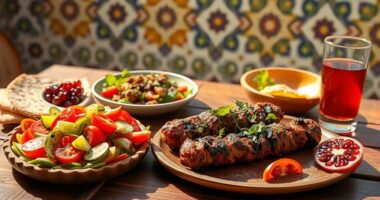

Halal food refers to what's lawful for Muslims based on Islamic dietary laws. It includes specific guidelines on ingredients and preparation methods. For meat to be halal, it must be slaughtered in a particular way, invoking Allah's name. Most plant-based foods are usually halal, but you should check for additives and cross-contamination. Halal certification assures you that the food meets these standards. There's a lot more to explore about halal practices and their global significance.

Get kitchen staples and gadgets delivered free with Prime
- Fast, free delivery on millions of items
- Prime Video, Amazon Music and more included
- Member-only deals all year
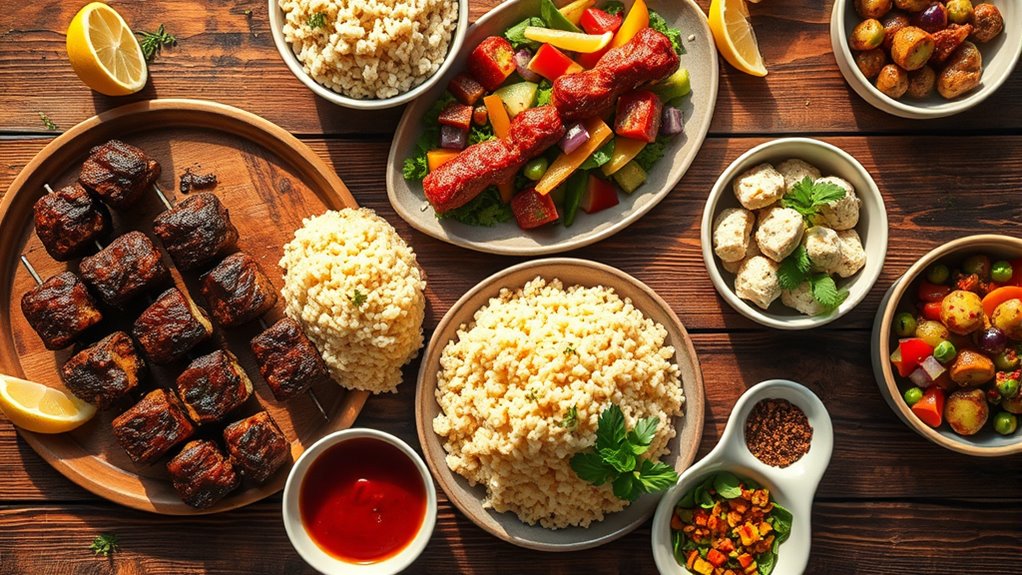
When you hear the term "halal," it refers to food that's lawful or permitted under Islamic dietary laws. For Muslims, understanding halal is crucial for maintaining their faith and adhering to the principles laid out in the Quran and Hadith. Halal signifies what's permissible, while haram represents what's forbidden. This distinction plays a vital role in everyday food choices.
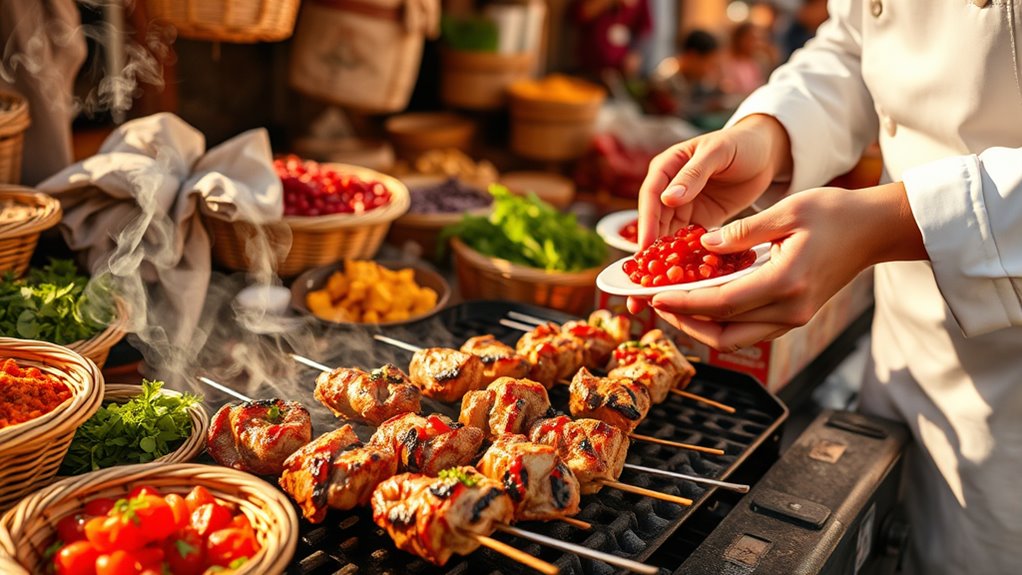
To be deemed halal, food products mustn't contain any haram ingredients. Common haram items include pork and alcohol, along with any meat that hasn't been slaughtered according to halal practices. This is where halal meat comes into play. It must be prepared in a specific way known as dhabiha. This method involves a swift incision to the throat of the animal while invoking Allah's name, ensuring the process is humane and respectful to the creature's life.
Food deemed halal must avoid haram ingredients, including pork and improperly slaughtered meat, ensuring humane preparation through the dhabiha method.
Most plant-based foods are generally halal, but you must be cautious about any additives or potential cross-contamination with haram substances. For instance, if a vegetable is processed in a facility that also handles pork products, it could become non-halal. This is why many consumers seek halal certification, an essential assurance that the food products align with established halal guidelines from recognized Islamic authorities. Halal certification not only helps Muslims feel confident about their food choices but also educates non-Muslims about the importance of these practices. When you see a halal certification label, it indicates that the food has been vetted to ensure it meets all necessary requirements, providing peace of mind for consumers.
Engaging with halal food goes beyond just the meat on your plate. It's about fostering a lifestyle that aligns with your values. By choosing halal, you're making a choice that resonates with millions of Muslims around the world who prioritize their dietary laws.
Understanding these principles can enhance your appreciation for halal cuisine and its place in global gastronomy.
Frequently Asked Questions
What Is the Basic Concept of Halal Food?
The basic concept of halal food revolves around what's permissible for you to eat according to Islamic law.
It emphasizes cleanliness, ethical treatment of animals, and avoiding forbidden ingredients like pork and alcohol.
When consuming meat, you need to ensure it's prepared through specific methods, like dhabiha, where blood is drained, and a prayer is recited.
Most plant-based foods are generally halal unless they contain haram additives, so always check ingredient labels.
What Does It Mean When Food Is Halal?
Did you know that over 1.8 billion Muslims worldwide adhere to halal dietary laws?
When food is halal, it means it's permissible under Islamic law, aligning with the teachings of the Quran. This includes avoiding forbidden ingredients like pork and alcohol while ensuring animals are healthy and slaughtered properly.
You'll find most plant-based foods are halal unless they've been contaminated.
Halal certification guarantees that the food meets these important standards, giving you peace of mind.
What Is Halal Food Terminology?
When you talk about halal food terminology, you're diving into terms like "halal" itself, which means permissible, and "haram," meaning forbidden.
You should also be familiar with "zabiha," the method of slaughter required for halal meat.
Additionally, "halal certification" is crucial, indicating that products meet halal standards.
Understanding these terms helps you navigate dietary choices, ensuring you select food that aligns with Islamic dietary laws while enjoying a variety of options.
What Does 100 Halal Food Mean?
Imagine a chef carefully selecting ingredients, ensuring each one is the finest quality.
When you see "100% halal food," it means every component's permissible under Islamic law. This food avoids any haram ingredients, like pork or alcohol, and follows strict guidelines for animal slaughter.
Certification agencies verify the process, ensuring ethical treatment of animals.
Conclusion
In a world bursting with flavors, halal food stands as a vibrant tapestry woven with respect, faith, and community. It's more than just a meal; it's a journey that nourishes both body and soul. By choosing halal, you're not just satisfying hunger—you're embracing a rich tradition that celebrates purity and ethics. So, next time you savor a halal dish, remember you're partaking in a feast of values, where every bite echoes a story of devotion and care.
Fall Picks
fall essentials
As an affiliate, we earn on qualifying purchases.