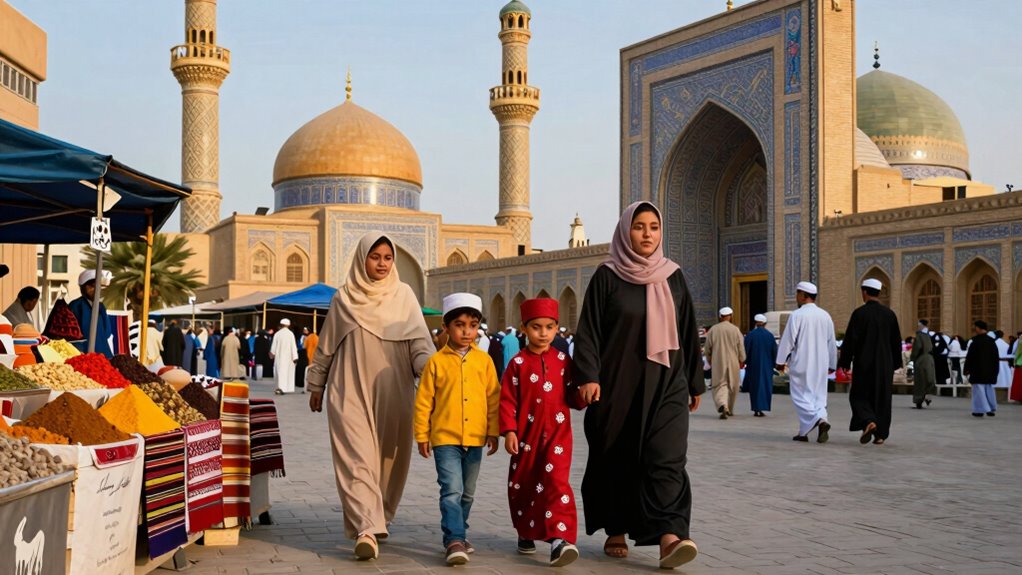

When visiting Muslim-majority countries with your family, respect local customs by dressing modestly, covering shoulders and knees, and avoiding tight or revealing clothing. Be mindful of sacred spaces—remove shoes, speak softly, and ask permission before taking photos. Follow food etiquette by choosing halal options and using your right hand. Be courteous in interactions, respect gender norms, and familiarize yourself with common greetings. Staying aware of these social norms helps guarantee a respectful, enriching experience for your family—continue exploring for more helpful tips.

Get kitchen staples and gadgets delivered free with Prime
- Fast, free delivery on millions of items
- Prime Video, Amazon Music and more included
- Member-only deals all year
Key Takeaways
- Respect local dress codes by covering shoulders and knees, especially when visiting religious sites or during festivals.
- Avoid public displays of affection and physical contact with the opposite sex unless culturally appropriate.
- Follow religious site protocols, such as removing shoes, speaking softly, and refraining from photography where prohibited.
- Use the right hand for eating and giving/receiving items to align with local etiquette.
- Learn basic greetings like “As-salamu alaykum” and show respectful curiosity about local customs and traditions.
modest travel clothing for families
As an affiliate, we earn on qualifying purchases.
As an affiliate, we earn on qualifying purchases.
Understanding Cultural and Religious Norms in Muslim Countries
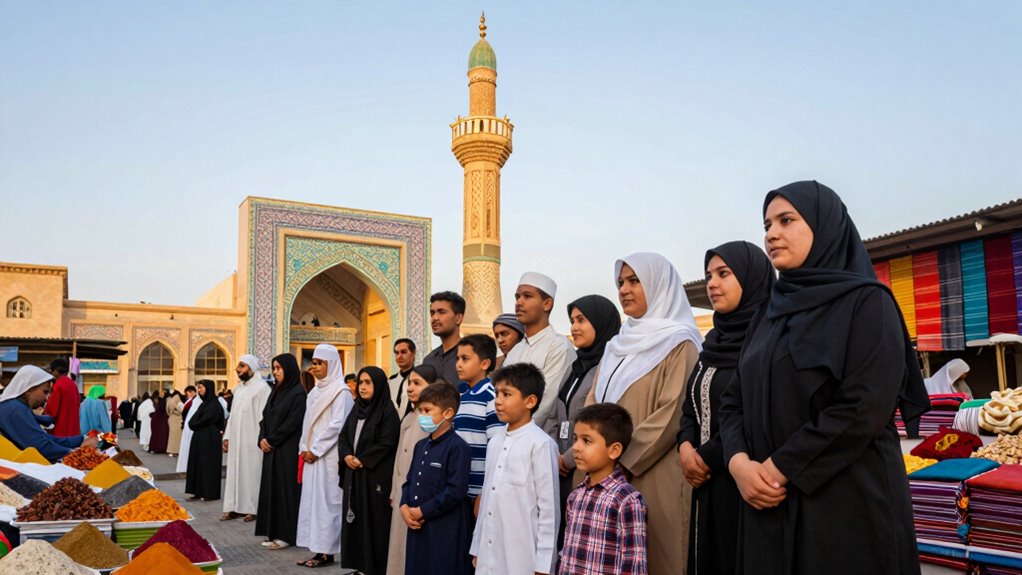
When visiting Muslim-majority countries, understanding their cultural and religious norms is essential for respectful and smooth interactions. Engaging in interfaith dialogue helps you appreciate diverse beliefs and traditions, fostering mutual respect. Be aware of cultural taboos, such as avoiding public displays of affection or disrespecting religious symbols, which can offend locals. Recognize that religion influences daily life, from prayer times to dietary restrictions, so showing respect for these practices is vital. Learning basic customs, like greeting appropriately and understanding social hierarchies, demonstrates your respect and openness. By familiarizing yourself with these norms, you create positive experiences for your family and show genuine appreciation for the culture you’re visiting. This understanding helps you navigate social situations smoothly and fosters meaningful connections.
Dressing Modestly: What to Wear During Your Visit
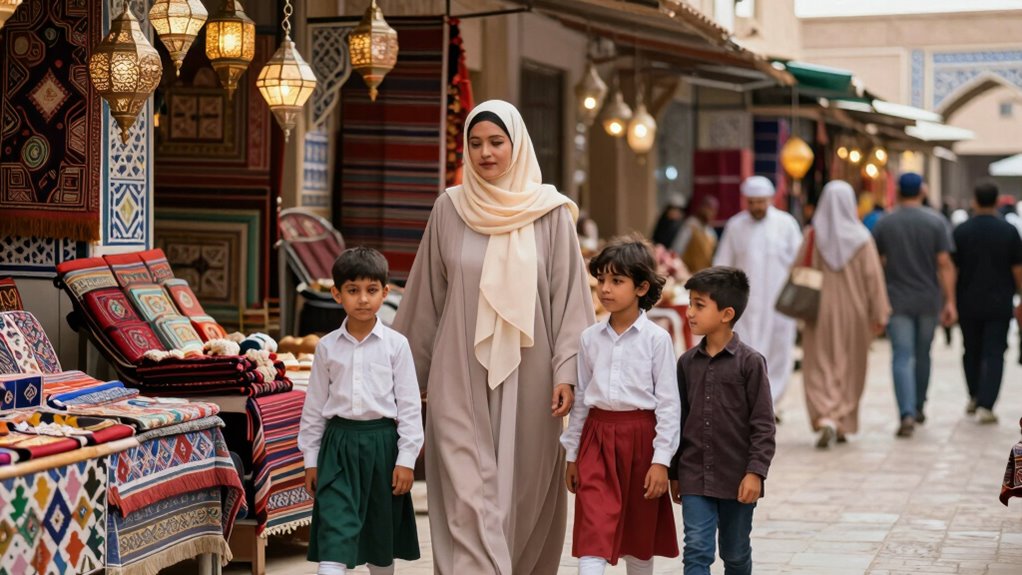
When visiting Muslim-majority countries, it’s important to respect local attire norms to show your appreciation for their culture. Make sure to cover your shoulders and knees, and avoid tight or revealing clothes. This respectful approach helps you blend in and enjoy your trip comfortably. Additionally, adhering to local dress codes can enhance your overall travel experience and foster positive interactions with the locals.
Respect Local Attire Norms
Respect Local Attire Norms (Dressing Modestly: What to Wear During Your Visit)
Respecting local attire norms is essential to showing appreciation for the culture and avoiding unwanted attention. When visiting Muslim-majority countries, dress modestly, especially during traditional wedding customs or local festival participation. Wearing culturally appropriate clothing demonstrates respect and helps you blend in. Additionally, understanding portable oil radiators can enhance your engagement with local customs. Being aware of media literacy can also help you navigate cultural nuances more effectively.
| Do’s | Don’ts |
|---|---|
| Cover shoulders and knees | Wear tight or revealing clothes |
| Use respectful accessories | Disrespect cultural dress codes |
| Dress conservatively for ceremonies | Ignore local dress expectations |
Always research specific customs before your trip. For example, some countries may have strict dress codes for religious sites. Respecting these norms enhances your experience and shows you value their traditions.
Cover Shoulders and Knees
Covering your shoulders and knees is a simple yet meaningful way to show respect for local customs during your visit. Many Muslim-majority countries value modest attire, especially in religious sites and traditional settings. Wearing clothing that covers these areas aligns with cultural gestures of humility and respect. You don’t need to wear traditional dress everywhere, but opting for long skirts, loose trousers, or tops with sleeves signals your willingness to honor local norms. Lightweight fabrics are ideal for comfort in warm climates. Keep in mind that dressing modestly isn’t just about rules; it demonstrates your appreciation for the culture and helps you blend in more seamlessly. By respecting these dress codes, you create a positive impression and foster meaningful interactions during your trip.
Avoid Tight or Revealing Clothes
Wearing tight or revealing clothing can unintentionally attract unwanted attention and may offend local customs in many Muslim-majority countries. To show respect and blend in, opt for modest attire that covers shoulders and knees. While fashion trends lean toward casual clothing, choose loose-fitting garments that don’t cling or reveal too much. For women, long skirts or loose trousers paired with tops that cover the arms are ideal. Men should avoid tight T-shirts and opt for button-down shirts or polo shirts. Remember, dressing modestly isn’t just about tradition; it’s about showing respect for the culture you’re visiting. Keep these guidelines in mind:
- Wear loose, breathable fabrics
- Avoid tight or sheer clothing
- Cover shoulders and knees comfortably
Respecting Sacred Spaces and Religious Sites
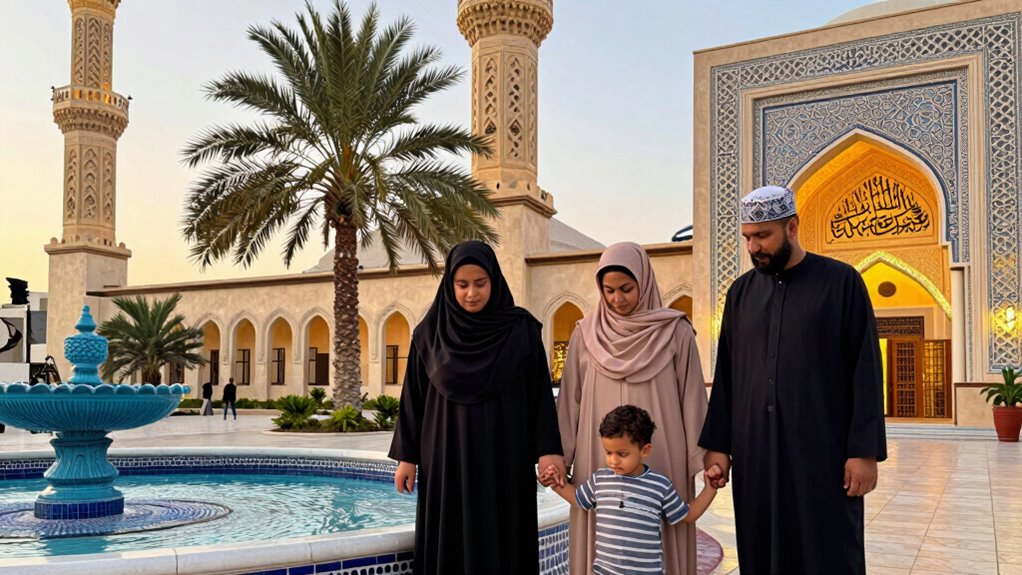
When visiting sacred spaces and religious sites in Muslim-majority countries, it’s important to be mindful of local customs and traditions. Follow sacred space etiquette by dressing modestly, covering your shoulders and knees, and removing shoes when required. Respect religious site protocols by speaking softly, avoiding disruptive behavior, and refraining from taking photos where prohibited. Be aware that some sites may have specific rules, such as women covering their hair or men avoiding hats. Show reverence by maintaining a respectful demeanor and listening to any guidelines provided. Remember, these small acts of respect help preserve the sanctity of the space and demonstrate your appreciation for local religious practices. Your mindfulness ensures a respectful and meaningful experience for everyone. Additionally, understanding the importance of cultural sensitivity in travel can enhance your interactions and help bridge cultural gaps.
Communicating Respectfully: Customs and Behavior Tips
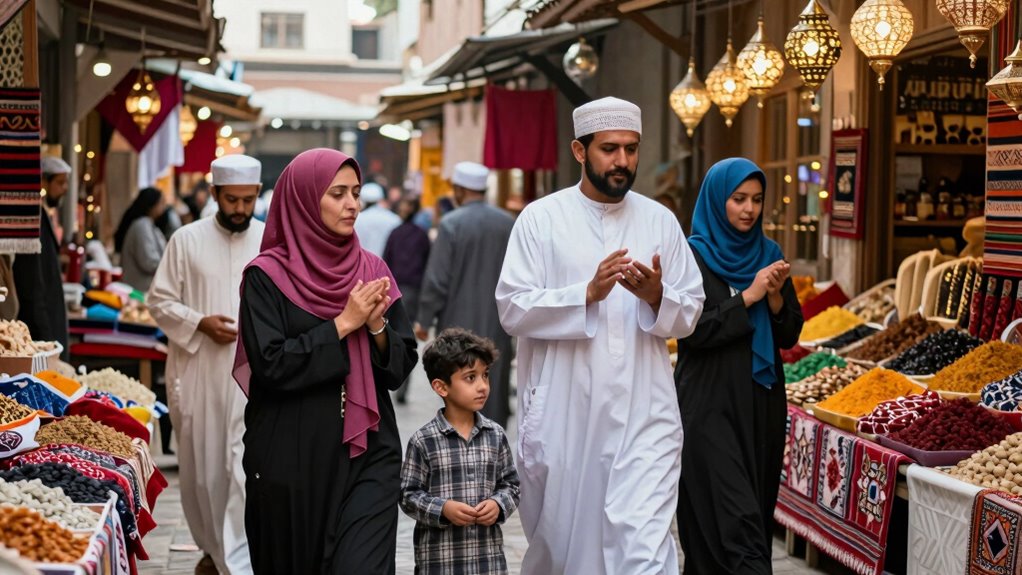
When visiting Muslim-majority countries, it’s important to understand local gender segregation norms and respect people’s comfort levels. Be mindful of religious practices, such as dress codes and prayer times, to show your respect. By observing these customs, you demonstrate genuine consideration and foster positive interactions. Additionally, being aware of cultural nuances can enhance your experience and help avoid misunderstandings. Understanding ethical consumerism can also guide your choices, ensuring that your travel aligns with local values and supports the communities you visit. Engaging with luxury lifestyle products available locally can also serve as a way to respectfully participate in the culture while supporting artisans and local businesses. Furthermore, considering diversification strategies in your travel plans can help you experience a wider range of cultural activities and local traditions, enriching your journey through unique local experiences.
Understanding Gender Segregation Norms
Have you ever wondered why gender segregation is common in many Muslim-majority countries? It’s a way to maintain social harmony and respect cultural norms. When navigating gender segregation, be aware that social interactions often differ based on gender. You might notice separate seating in restaurants or queues designated for men and women.
To show respect, consider these tips:
- Observe and follow local customs during public gatherings
- Avoid initiating physical contact with members of the opposite sex unless invited
- Respect designated areas for men and women in public spaces
Understanding gender segregation helps you communicate respectfully and avoid unintentionally offending locals. By being mindful of these social norms, you demonstrate appreciation for their culture and foster positive interactions during your trip. Moreover, recognizing cultural symbolism can deepen your understanding of the values that shape these practices.
Respecting Religious Practices
Respecting religious practices is a vital part of experiencing local culture authentically. Be mindful of customs during religious festivals—dress modestly, participate respectfully, and observe silence when appropriate. Engaging in interfaith dialogue fosters understanding and shows genuine respect. To help navigate behavior, consider this quick guide:
| Practice | Tip | Example |
|---|---|---|
| Attending religious festivals | Follow local customs, dress conservatively | Cover shoulders, avoid photography in sacred spaces |
| Respecting prayer times | Keep noise low, avoid interrupting prayer sessions | Wait quietly outside mosques |
| Communicating respectfully | Use polite language, listen actively | Show genuine interest in beliefs |
| Physical gestures | Be cautious with physical contact | Avoid handshakes or gestures that might offend |
| Participating in interfaith dialogue | Show openness and curiosity | Ask respectful questions about beliefs |
Additionally, understanding the importance of cultural sensitivity can greatly enhance your travel experience in Muslim-majority countries.
Food Etiquette and Finding Halal Options
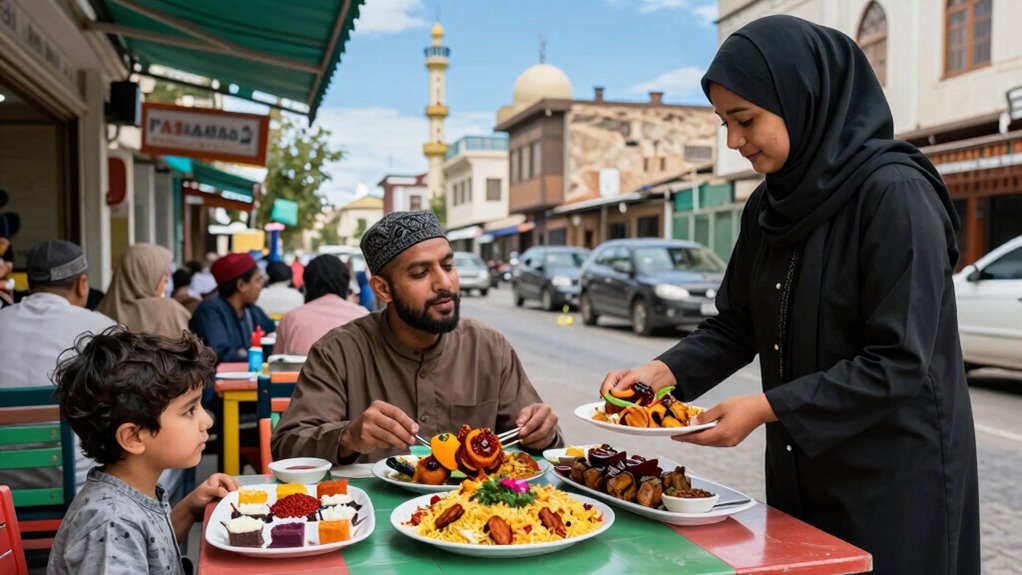
Steering food etiquette in Muslim-majority countries can enhance your travel experience and show respect for local customs. To find suitable food options, look for signs indicating halal food options, and always ask about ingredients if unsure. Remember these food etiquette tips:
Following halal food customs and respecting local dining etiquette enriches your travel experience in Muslim-majority countries.
- Use your right hand when eating or passing food.
- Avoid wasting food or taking more than you can eat.
- Respect mealtime customs, such as waiting for the host to start eating. Understanding cultural norms related to food can further enrich your experience. Many restaurants also offer alternative diets that cater to various needs, ensuring everyone can enjoy their meals. Additionally, being aware of food hygiene practices can help you make safer dining choices.
Being mindful of these practices helps you avoid unintentional disrespect. Many restaurants and markets clearly label halal options, but when in doubt, ask locals for recommendations. Learning basic dining etiquette and seeking halal food options demonstrates your respect for the culture and ensures a more enjoyable family trip. Additionally, consider incorporating eco-friendly practices into your dining choices, as they reflect a growing respect for sustainable living. Furthermore, understanding the importance of cultural sensitivity can further enhance your interactions with local communities.
Photography and Respecting Personal Boundaries
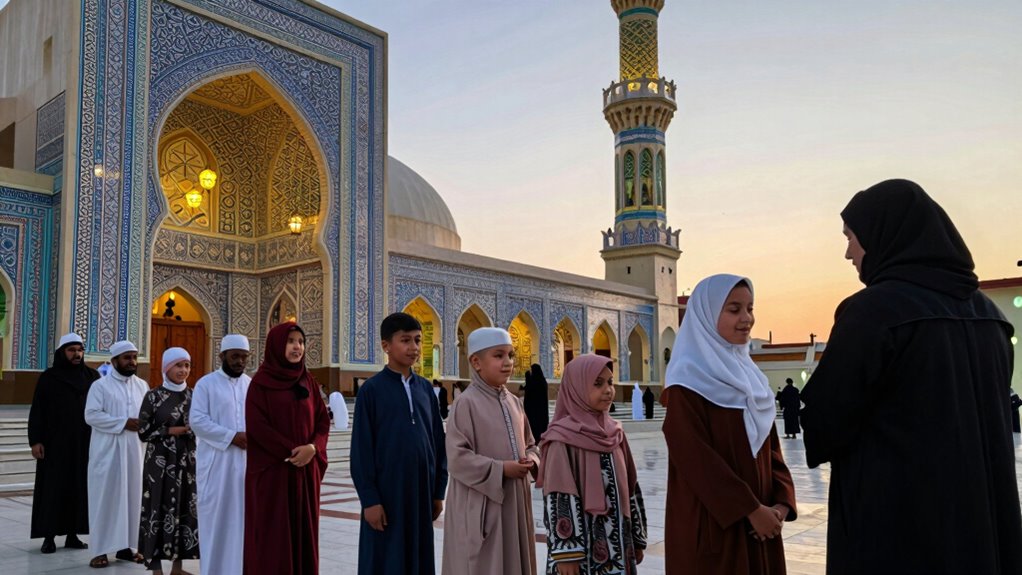
While enjoying the vibrant sights and local culture through photography, it’s important to remember that not everyone may want their picture taken. Respecting photography etiquette means asking for permission before snapping photos of people, especially in private settings. Be mindful of personal space boundaries; some individuals may feel uncomfortable if you invade their personal space or take photos without consent. Avoid photographing children or locals without first obtaining their permission, and always be sensitive to cultural norms. If someone declines, respect their choice without pressure or insistence. By practicing good photography etiquette and honoring personal boundaries, you show respect for the community’s customs and foster positive interactions during your trip. Additionally, understanding the cultural significance of local symbols can enhance your appreciation of the environment and the people within it. For example, experiencing a high-protein breakfast can provide insight into local dietary customs. Engaging in mindful practices, such as music therapy, can further enrich your travel experience by promoting relaxation and enhancing your connection with the local culture. Remember that being a responsible traveler involves not only enjoying the sights but also respecting the values and privacy of the people you encounter. Furthermore, being aware of local building codes can help you navigate public spaces more respectfully and understand the context of your surroundings.
Learning Basic Phrases and Greetings to Show Respect
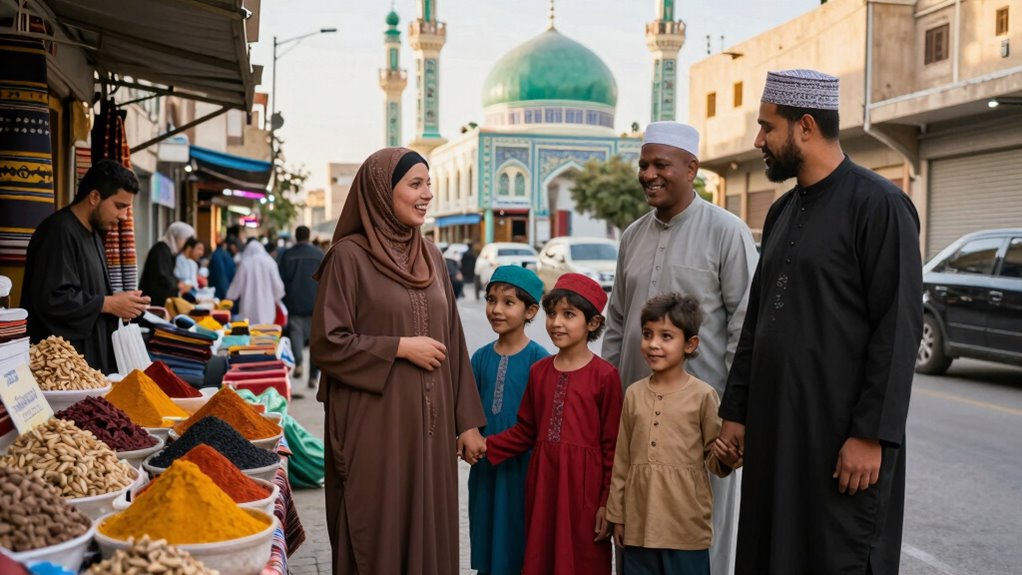
Learning Basic Phrases and Greetings to Show Respect
Learning basic phrases and greetings in the local language shows genuine respect and helps build positive connections with the community. It demonstrates your effort to understand their culture and follows proper greetings etiquette. Knowing some common phrases can make interactions smoother and more welcoming. A well-planned business trip packing strategy can also enhance your overall experience.
Learning local phrases shows respect and fosters positive connections in the community.
To get started, learn greetings like “As-salamu alaykum” (peace be upon you), polite expressions such as “Thank you,” and simple questions like “How are you?”
- Mastering these phrases opens doors to friendly conversations.
- Using respectful gestures alongside greetings enhances your reception.
- Showing effort with local language shows respect and appreciation for their culture. Additionally, recognizing the importance of cultural understanding can significantly improve your interactions and experiences.
Frequently Asked Questions
Are There Specific Taboos Related to Public Displays of Affection?
Public displays of affection are generally considered cultural taboos in many Muslim-majority countries. You should avoid kissing, hugging, or holding hands in public, especially between couples. Such actions can offend local customs and lead to uncomfortable situations. Instead, show respect by keeping physical contact to a minimum and observing how locals behave. Being mindful of these cultural taboos helps you avoid misunderstandings and demonstrates your respect for their traditions.
How Should I Handle Religious or Cultural Misunderstandings Politely?
Remember, “the best way to understand is to listen.” When facing religious or cultural misunderstandings, approach them with respectful communication and an open mind. Engage in interfaith dialogue when appropriate, showing genuine interest and humility. If you’re unsure, politely ask questions and listen carefully. This respectful attitude fosters mutual understanding, helps avoid conflict, and demonstrates your respect for local customs and beliefs during your trip.
Is Alcohol Consumption Acceptable in Any Public Settings?
Alcohol consumption is generally not acceptable in public settings in many Muslim-majority countries due to local laws and cultural norms. You should always check the alcohol laws before consuming any, as public consumption can lead to fines or arrest. In some countries, alcohol might be available in licensed venues, but outside these, it’s best to avoid drinking publicly to respect local customs and stay within legal boundaries.
Are There Restrictions on Bringing Religious Items Into the Country?
Like a delicate key opening a treasure chest, understanding religious item regulations is essential. You can usually bring religious items, but you must declare them during customs procedures. Failure to follow customs declaration procedures risks confiscation or legal issues. To avoid trouble, check specific country rules beforehand. Respect their regulations, and you’ll smoothly navigate the process, ensuring your spiritual symbols remain with you, symbolizing respect and understanding during your journey.
How Do I Navigate Local Customs Around Gift-Giving?
When steering local customs around gift-giving, you should observe cultural etiquette carefully. In many Muslim-majority countries, it’s respectful to present gifts with your right hand or both hands, avoiding displays of affection with the opposite sex if inappropriate. Be mindful of the significance of gift exchange, choosing modest, culturally appropriate items. Always consider local sensitivities, and if unsure, ask your hosts or guides for guidance to honor their customs and foster goodwill.
Conclusion
By understanding these cultural nuances, you’ll be better prepared for your family trip. But remember, every country has its unique customs—what works in one place might not in another. Stay curious, observe, and adapt as you go. The real adventure begins when you step out of your comfort zone and embrace the unexpected. Are you ready to navigate the rich tapestry of traditions awaiting you? The journey into authentic cultural experiences starts now—are you prepared to take that leap?
NFL season / tailgating Picks
team gear
As an affiliate, we earn on qualifying purchases.