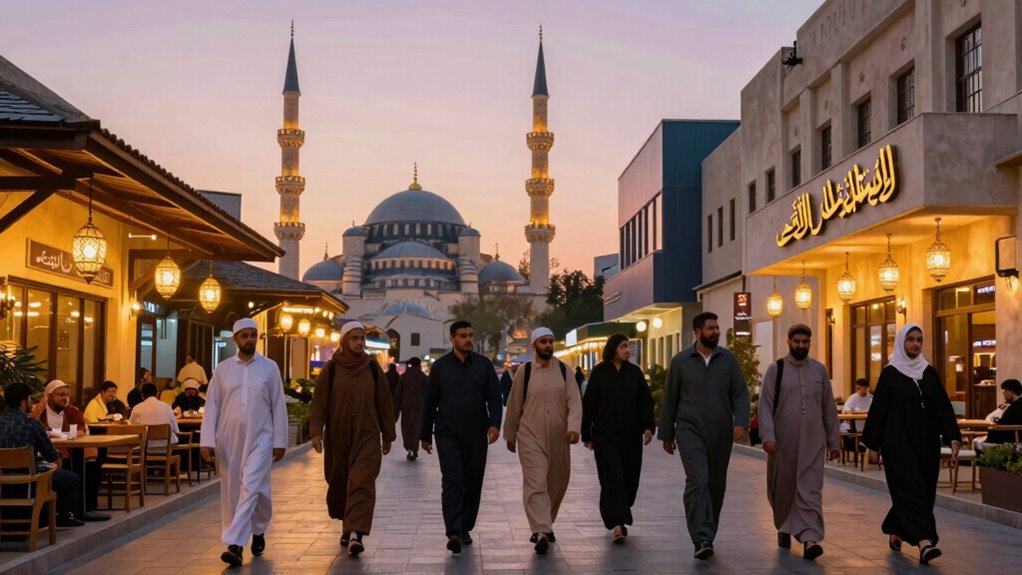

As a traveler, you now seek more than just halal food and prayer facilities—you want authentic cultural experiences, sustainable practices, and immersive activities. Modern Muslim travelers appreciate destinations that showcase local traditions, host festivals, and offer personalized, responsible services. Technology plays a key role, helping you find halal options, prayer spots, and cultural tours effortlessly. To meet these evolving expectations—if you’re curious about how destinations and providers are adapting—you’ll find plenty of inspiring insights ahead.

Get kitchen staples and gadgets delivered free with Prime
- Fast, free delivery on millions of items
- Prime Video, Amazon Music and more included
- Member-only deals all year
Key Takeaways
- Muslim travelers now prioritize authentic cultural experiences and immersion in local customs, festivals, and traditions.
- There is increased demand for halal-certified cuisine, dedicated prayer facilities, and culturally sensitive hospitality services.
- Technology tools like apps and virtual tours enhance accessibility to halal eateries, mosques, and personalized cultural engagement.
- Sustainable practices and eco-friendly accommodations are becoming important, aligning with environmentally connected activities.
- Destinations that host cultural festivals and promote local traditions can better meet evolving Muslim travelers’ expectations.
As an affiliate, we earn on qualifying purchases.
How Have Muslim Travelers’ Expectations Changed?
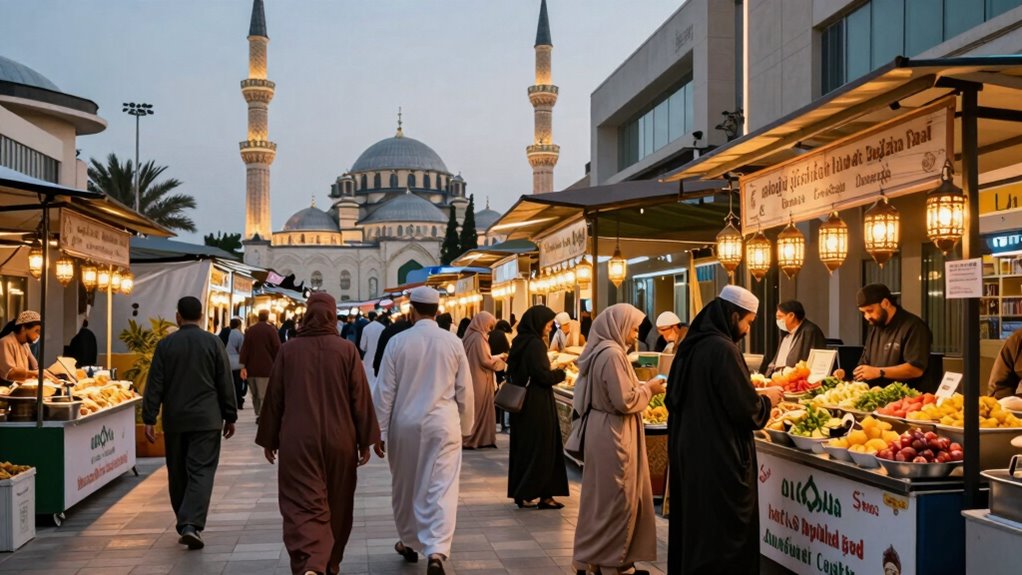
Over the past decade, Muslim travelers’ expectations have evolved considerably, driven by increased awareness, globalization, and technological advances. You now seek more than just halal food and prayer facilities—you want authentic experiences that connect you to local customs. Incorporating elements like eco-friendly natural pools into your travel preferences enhances your connection to the environment. Attending cultural festivals has become a priority, as these events offer deep insights into a destination’s traditions and heritage. You look for travel experiences that respect and celebrate local customs, ensuring your journey is meaningful and respectful. This shift means you’re not just a visitor but an active participant in cultural exchange. Your expectations now include immersive encounters with local traditions, making your trips richer and more authentic. These evolving preferences push destinations to offer more inclusive, culturally sensitive experiences tailored to Muslim travelers. Furthermore, digital content is increasingly shaping how you discover and engage with travel opportunities, enhancing your overall experience. As a result, the emergence of flexible publishing platforms allows for a diverse range of travel information that caters specifically to your needs. Halal tourism has become a significant industry, reflecting the growing demand for such tailored experiences.
What Do Muslim Travelers Look for in Halal Accommodations?

When choosing halal accommodations, you prioritize authentic halal cuisine options that meet your dietary needs. Easy access to prayer facilities is also essential for maintaining your spiritual routine. These features help guarantee your stay aligns with your cultural and religious expectations. Additionally, many travelers are now seeking eco-friendly practices that ensure their stay has a minimal environmental impact. Many accommodations are also considering design details such as door swings and stair proportions to enhance accessibility for all guests. Furthermore, ensuring that these accommodations provide high-quality content about their offerings can significantly improve the overall guest experience, including options for professional results in amenities that cater to their grooming needs. Travelers increasingly look for energy-efficient systems that contribute to a sustainable environment during their stay.
Authentic Halal Cuisine Options
Muslim travelers seek authentic halal cuisine options that not only meet religious dietary requirements but also offer genuine flavors and cultural authenticity. When choosing a destination, look for places that prioritize halal food prepared with traditional techniques. To guarantee a memorable culinary experience, consider these aspects:
- Authentic ingredients sourced locally to preserve cultural authenticity.
- Traditional cooking methods that reflect the region’s culinary heritage.
- Clear halal certification to guarantee adherence to religious standards.
- Diverse menu options that showcase the local cuisine’s unique flavors.
Additionally, destinations that offer high contrast ratios in their dining environments can enhance the overall experience by providing a visually appealing atmosphere. Furthermore, template compatibility can assist travelers in finding restaurants that meet their halal needs, as many travelers rely on trusted resources to find the best halal options available, ensuring an enjoyable and stress-free dining experience.
Prayer Facilities Accessibility
After selecting destinations known for authentic halal cuisine, ensuring easy access to prayer facilities becomes a key factor in choosing accommodations. Muslim travelers seek prayer spaces that respect cultural integration and align with local customs, making them feel comfortable and connected. You look for hotels or lodgings with designated prayer rooms or nearby mosques, reducing travel time and hassle. Accessibility is essential, especially during busy travel days. You also appreciate accommodations that acknowledge local customs, such as prayer schedules that integrate with local routines. This attention to prayer facilities not only supports your spiritual needs but also demonstrates respect for the destination’s cultural context. Ultimately, seamless access to prayer spaces enhances your overall travel experience by blending religious practice with cultural sensitivity. Additionally, understanding dream symbolism related to time can enrich your journey, as it highlights the significance of moments spent in reflection and prayer during travels.
How Are Hotels and Resorts Catering to Halal Needs?

Hotels and resorts are increasingly offering halal menu options to meet your dietary needs, often including separate preparation areas for added assurance. You’ll also find prayer facilities conveniently available on-site, making it easier to fulfill your spiritual obligations. Additionally, staff are becoming more culturally sensitive, ensuring respectful and knowledgeable service tailored to Muslim travelers. This shift is part of a broader trend towards global flavors that cater to diverse dietary preferences, enhancing the travel experience for all. Many establishments are also incorporating Bollywood music into their entertainment offerings, creating a familiar and enjoyable atmosphere for guests. As organizations embrace empathy and collaboration, they are better equipped to understand and address the unique needs of diverse travelers. Furthermore, the attention to aesthetic design in these spaces not only enhances comfort but also aligns with the desire for a holistic retreat experience. The incorporation of cultural festivals in hospitality settings fosters a sense of community and belonging for guests.
Halal Menu Options
Many hotels and resorts now recognize the importance of offering dedicated halal menu options to meet the needs of Muslim travelers. To guarantee cultural sensitivity and uphold halal standards, they often pursue halal certification for their kitchens. This reassures guests about food authenticity and safety. Here are some ways hotels are catering:
- Providing clearly labeled halal dishes on menus for easy identification.
- Ensuring all ingredients are halal, free from pork or alcohol.
- Training culinary staff on halal preparation practices and cultural sensitivities.
- Offering customization options to accommodate specific dietary preferences or restrictions.
Additionally, hotels are increasingly incorporating essential home tips to ensure cleanliness and organization in dining areas, enhancing the overall guest experience. This focus on accessibility features not only makes dining more convenient for families but also aligns with the growing trend of inclusivity in hospitality. Furthermore, many establishments are adopting food safety protocols to ensure that halal meals are prepared in accordance with strict standards, thereby enhancing guest confidence in their dining choices. The incorporation of inclusive casting in promotional materials also reflects a commitment to diversity, appealing to a broader range of travelers. Moreover, some hotels are integrating electric power generation methods to ensure sustainable practices in their kitchens, thereby appealing to eco-conscious guests.
Prayer Facilities Availability
To meet the spiritual needs of Muslim travelers, hotels and resorts are increasingly providing dedicated prayer facilities on their premises. These prayer rooms offer a quiet, clean space for reflection and worship. Many establishments guarantee the prayer room is well-equipped with prayer mats and Qibla direction signs, making it easier for guests to find the right orientation. Clear signage indicating the Qibla direction helps you pray comfortably and accurately. Some hotels also provide digital Qibla compasses or mobile apps to assist in locating the correct direction. By offering accessible prayer facilities, hotels demonstrate their commitment to accommodating Muslim guests’ religious practices, making your stay more convenient and respectful of your spiritual needs. Additionally, many hotels are now incorporating cookie preferences to enhance the overall experience for their guests. This commitment to service extends to system monitoring to ensure that all facilities are maintained and available when needed.
Staff Cultural Sensitivity
When it comes to catering to halal needs, staff cultural sensitivity plays a essential role in ensuring Muslim travelers feel respected and comfortable. Staff with cultural awareness can better understand specific needs, avoiding misunderstandings. To improve service:
- They should recognize and respect Islamic customs, like dress code and modesty.
- Overcome language barriers with basic phrases or multilingual staff to communicate halal requirements effectively.
- Offer training to increase cultural awareness, helping staff respond sensitively to diverse backgrounds.
- Be proactive in providing information about nearby halal restaurants, prayer facilities, and other amenities.
What Are the Best Halal Dining Options for Tourists?
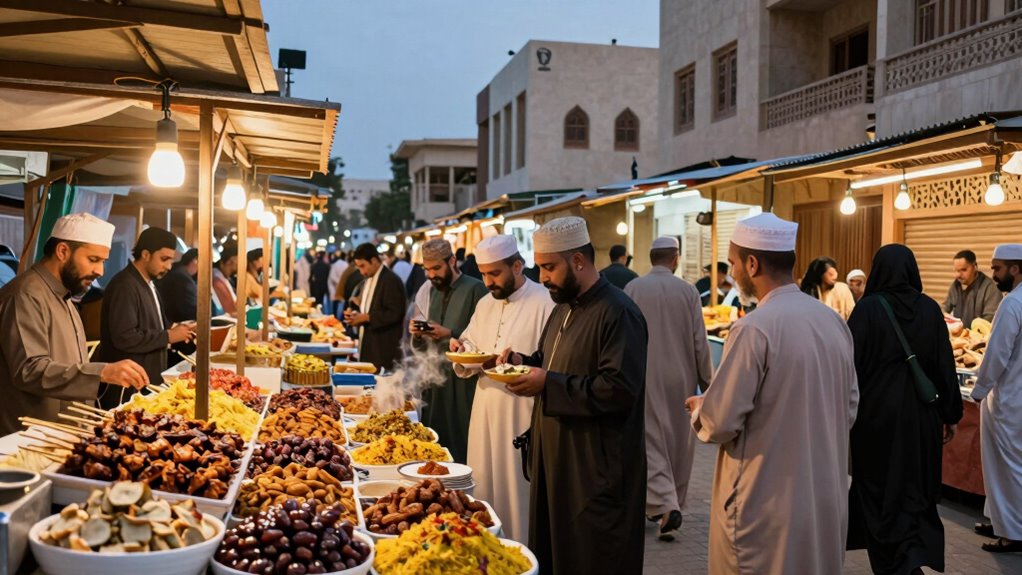
Finding the best halal dining options as a tourist can considerably enhance your travel experience, ensuring you enjoy authentic and worry-free meals. When exploring new destinations, look for restaurants that prioritize halal certifications or clearly state they serve halal food. Many cities now offer dedicated halal eateries, street food vendors, and international restaurant chains catering to Muslim traveler preferences. Apps and online platforms can help identify trusted halal options nearby, saving you time and stress. Prioritizing halal travel experiences means embracing local flavors while respecting your dietary requirements. By choosing establishments that align with your needs, you’ll enjoy more genuine cultural immersion and feel confident in your dining choices, making your trip more enjoyable and fulfilling.
How Is Technology Enhancing the Halal Travel Experience?

Technology has revolutionized the way Muslim travelers access and navigate halal-friendly options around the world. It makes cultural immersion easier and more authentic, fostering deeper connections with local traditions. Here’s how:
- Mobile apps help you find nearby halal restaurants, mosques, and prayer times instantly.
- Virtual tours and AR experiences enhance cultural understanding without leaving your accommodation.
- Online reviews and ratings guide you toward sustainable tourism options that respect local communities.
- Digital platforms connect travelers with eco-friendly accommodations that prioritize environmental and cultural preservation.
These technological tools empower you to plan trips that are not only halal-compliant but also environmentally conscious, ensuring a richer, more responsible travel experience.
What Challenges Do Travel Providers Face in Meeting Expectations?
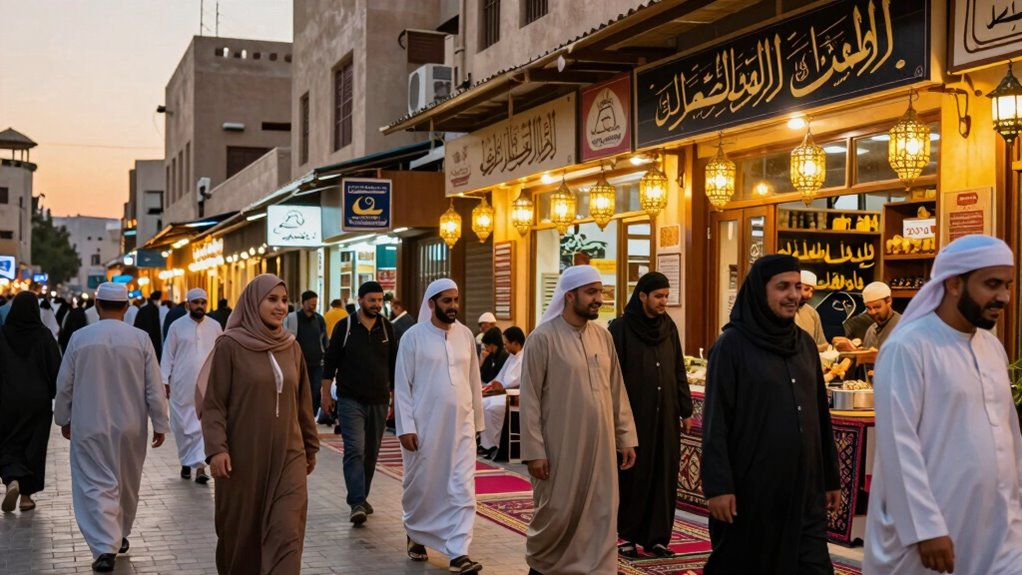
Meeting the diverse expectations of Muslim travelers presents significant challenges for travel providers, especially as the demand for halal-friendly services grows worldwide. One major obstacle is cultural misunderstandings, which can lead to miscommunication or unintentional insensitivity. To meet expectations, you must deeply understand cultural nuances and religious practices, ensuring respectful and accurate offerings. Additionally, regulatory compliance adds complexity; different countries have varying rules around halal certification and service standards. Orchestrating these regulations requires careful research and adaptation to avoid legal issues or reputational damage. Balancing authentic cultural respect with legal requirements is critical. Ultimately, your ability to address these challenges directly impacts your success in attracting and satisfying Muslim travelers in an increasingly competitive market.
How Can Destinations Stand Out to Muslim Travelers Today?

To truly stand out to Muslim travelers today, destinations need to go beyond basic halal amenities and showcase genuine cultural understanding and inclusivity. Engaging in authentic experiences can make a lasting impression. Consider these strategies:
- Host or promote cultural festivals that highlight local traditions and arts, enriching the travel experience.
- Support sustainable tourism practices that respect local ecosystems and communities, appealing to eco-conscious travelers.
- Offer immersive cultural activities that foster understanding and connection with local customs.
- Guarantee inclusivity by training staff to be culturally sensitive and aware of Muslim travelers’ needs.
What Trends Will Shape the Future of Halal Travel?

What trends will shape the future of halal travel? You’ll see a growing focus on immersive experiences, where cultural festivals and local traditions become central. Travelers increasingly seek authentic connections, enthusiastic to explore destinations through their unique customs and celebrations. This shift encourages destinations to highlight cultural festivals that showcase local artistry, music, and cuisine, enriching the travel experience. Additionally, there’s a move toward personalized, culturally sensitive services that respect and celebrate local traditions. Technology also plays a role, making it easier to discover and participate in these authentic experiences. As halal travel evolves, it’ll become more about meaningful engagement with local culture, helping travelers deepen their understanding and appreciation of diverse communities.
Frequently Asked Questions
How Do Muslim Travelers Prioritize Safety and Privacy During Trips?
You prioritize safety and privacy during your trips by choosing accommodations with good security and private spaces. You also get extensive travel insurance to cover unexpected events. Respect local etiquette by dressing modestly and following cultural norms, which helps you feel more secure and integrated. These steps ensure you enjoy peace of mind, feel protected, and experience your journey comfortably while respecting the customs of your destination.
What Role Do Cultural Sensitivities Play in Halal Travel Experiences?
You realize that cultural sensitivities deeply influence your halal travel experiences. By practicing cultural awareness and respecting local customs, you navigate unfamiliar environments smoothly, earning trust and enriching your journey. When you embrace local traditions and adapt respectfully, you open authentic connections and avoid misunderstandings. This awareness transforms your trip into a meaningful adventure, where every interaction feels genuine and every experience, truly enriching.
How Are Budget Options Adapting to Halal Travel Demands?
You’ll find budget options adapting by offering more affordable accommodations that cater to halal needs, such as nearby mosques and halal eateries. Travelers also benefit from halal-friendly transportation, like ride-sharing services with halal-certified drivers or routes that avoid non-halal areas. These changes make it easier for you to enjoy a comfortable, culturally sensitive trip without overspending, ensuring your travel experience aligns with your faith and budget.
What Environmental Sustainability Practices Appeal to Muslim Tourists?
You’ll find that eco-friendly accommodations appeal to Muslim tourists who prioritize sustainability, offering energy-efficient systems and eco-conscious amenities. Sustainable transportation options, like electric shuttles or bike rentals, also attract environmentally aware travelers. These practices help reduce carbon footprints while aligning with Islamic values of stewardship. By choosing eco-friendly stays and transportation, you support environmental efforts and enjoy a responsible, fulfilling travel experience that respects both faith and nature.
How Is Personalized Travel Planning Evolving for Muslim Travelers?
You now see personalized travel planning evolving through advanced travel technology that tailors experiences to your specific preferences, including halal dining, prayer facilities, and cultural interests. Destinations are expanding beyond traditional spots, offering diverse options that cater to your spiritual and cultural needs. This shift allows you to enjoy more authentic, meaningful journeys, with technology seamlessly integrating your faith and lifestyle into every aspect of your travel planning.
Conclusion
As you navigate the evolving landscape of halal travel, remember that understanding and adapting to Muslim travelers’ nuanced needs isn’t just a trend—it’s a gentle shift towards genuine inclusivity. Embrace these changes with open arms, and you’ll find that meeting expectations becomes a natural part of creating memorable, respectful experiences. When you listen and innovate thoughtfully, you’re not just keeping up—you’re quietly leading the way toward a more harmonious travel future.
Halloween Picks
halloween
As an affiliate, we earn on qualifying purchases.