
TL;DR

Get kitchen staples and gadgets delivered free with Prime
- Fast, free delivery on millions of items
- Prime Video, Amazon Music and more included
- Member-only deals all year
The Kitchn recipe producer Jan Valdez reports that a whole sweet onion is the standout ingredient in a homemade dressing inspired by Sheldon Simeon’s Cook Real Hawai’i. Valdez says blending the onion with oil, apple cider vinegar, sugar, Dijon mustard and celery salt creates a creamy texture and sweet-tangy flavor; the result is her personal assessment, not a comparative test of dressings.
The Kitchn recipe producer Jan Valdez has highlighted a whole sweet onion as the low-cost ingredient behind a homemade salad dressing she says has changed how she thinks about bottled versions. Inspired by a recipe in Sheldon Simeon’s cookbook Cook Real Hawai’i, Valdez says blending the onion into a dressing with oil, vinegar and seasonings gives it a creamy texture and natural sweetness.
Valdez writes that the recipe calls for an entire sweet onion, rather than the small amounts of shallot or garlic she had previously added to vinaigrettes. She says the onion blends into the mixture and helps oil and vinegar stay combined, producing a creamy consistency without mayonnaise or yogurt. The source describes her cooking experience; it does not provide a controlled comparison or measurements showing how much the onion changes the texture.
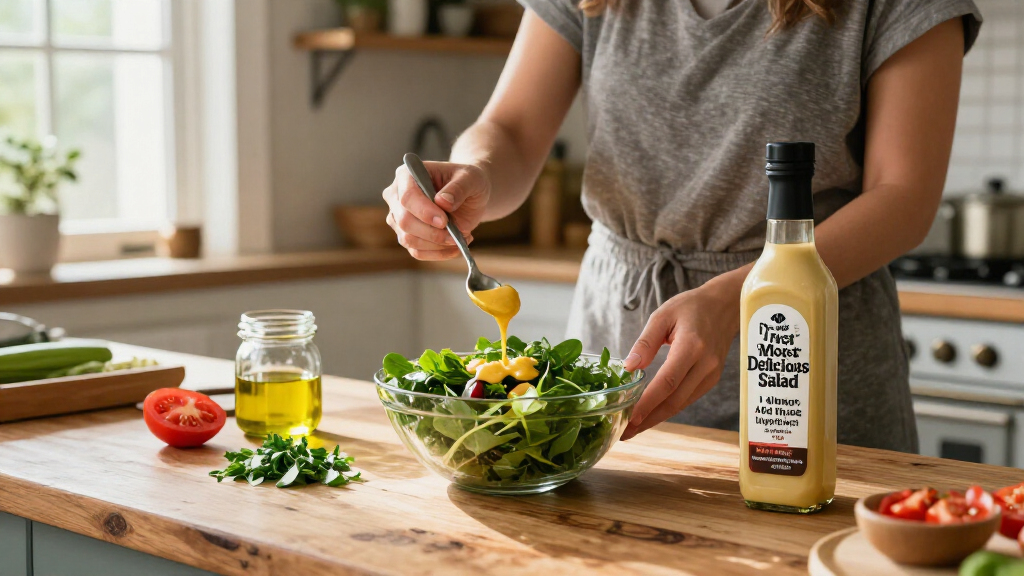
The dressing pairs the onion with apple cider vinegar, granulated sugar and Dijon mustard for a tangy-sweet flavor. Valdez singles out celery salt as an additional savory note. The recipe calls for neutral oil, but she says she tried olive oil and liked the result. She also suggests experimenting with different mustards or replacing some of the sugar with honey or maple syrup.
Valdez says she served the dressing with kale and apple and suggests it could also work with Cobb salad, spinach with tart apples and walnuts, cabbage slaw, roasted vegetables or a grain bowl. The source does not provide the full recipe’s ingredient quantities, preparation steps, yield or storage guidance, so readers would need the original recipe for those details.
A Whole Onion Changes the Dressing
The idea offers home cooks a way to build flavor and a thicker texture with a common, relatively inexpensive ingredient, rather than relying on mayonnaise or yogurt. For people making dressing from pantry staples, the onion may serve several roles at once: Valdez says it contributes sweetness and helps the oil and vinegar combine.
Those benefits are presented as Valdez’s report from trying the recipe, not as a formal finding that onion-based dressings are universally creamier, healthier or cheaper than store-bought alternatives. The article gives no cost comparison, nutrition analysis or taste test. Its practical point is narrower: a whole sweet onion is an unexpected option to try when making a homemade sweet-tangy dressing.
Popular right now

Vitamix 5200 Professional-Grade Blender, 64 oz. Container, Black

KitchenAid 5.5-Qt Bowl-Lift Stand Mixer, Porcelain White (KSM55SXXX)

Shark HydroVac MessMaster Corded Wet Dry Vacuum and Mop (WD161)
As an affiliate, we earn on qualifying purchases.
From Simeon’s Cookbook to Kale
Valdez says she encountered the dressing while looking through Sheldon Simeon’s Cook Real Hawai’i, a cookbook she already owned. She had made other recipes from the book, including kamaboko dip and one-pot chicken hekka, before the onion dressing caught her attention. Her report frames the whole onion as unusual compared with her previous practice of adding smaller quantities of shallot or garlic.
The Kitchn article identifies Maui, Walla Walla and Vidalia as examples of sweet onions suitable for the recipe. Valdez describes using olive oil in her own version, although the recipe calls for a neutral oil. Her serving suggestions range beyond leafy salads, but the report does not say that she tested every suggested pairing.
“I haven’t looked at bottled dressing the same way since.”
— Jan Valdez, The Kitchn associate recipe producer
Recipe Measurements Are Not Included
The source material does not include the recipe’s full quantities, method, yield or storage instructions. It also does not give a price for the onion or compare the total cost with bottled dressing. Valdez’s description that the onion helps emulsify the mixture reflects her account of making the recipe; the report does not cite a test of how well the dressing stays combined over time.
It is also unclear whether the dressing works equally well with every sweet onion or with the suggested ingredient substitutions. Valdez says she used olive oil and recommends possible swaps for mustard and sweetener, but the source does not report results for each variation. Readers looking to make the dressing need to consult the original recipe for proportions and safe storage guidance.
Readers Can Try Their Own Version
The report does not announce a follow-up test or a forthcoming recipe update. The immediate next step for readers is to consult The Kitchn’s original article for the recipe itself, then choose a sweet onion and follow the specified quantities and preparation directions. Valdez’s notes offer ideas for variations, including olive oil, different mustard and partial swaps of sugar for honey or maple syrup.
Any comparison of cost, flavor or how long the dressing stays emulsified remains for readers to test; the source supplies no measured results. The reported takeaway is that a whole sweet onion is worth trying as the base of a homemade dressing, particularly for salads and other dishes that pair well with sweet-tangy flavors.
Key Questions
What ingredient does Jan Valdez recommend adding to salad dressing?
She highlights a whole sweet onion, such as a Maui, Walla Walla or Vidalia onion, in a dressing inspired by Sheldon Simeon’s Cook Real Hawai’i.
What does the onion do in the dressing?
Valdez says it blends into the dressing, adds natural sweetness and helps the oil and vinegar combine, giving the mixture a creamy texture without mayonnaise or yogurt. The source does not report a controlled test of those effects.
What else goes into the dressing?
The reported ingredients include oil, apple cider vinegar, granulated sugar, Dijon mustard and celery salt. The source material does not give the quantities or full preparation method.
What can the dressing be served with?
Valdez says she used it on kale and apple. She also suggests Cobb salad, spinach with tart apples and walnuts, cabbage slaw, roasted vegetables and grain bowls.
Does the report include the complete recipe or storage advice?
No. The supplied report describes the ingredient combination and Valdez’s experience, but does not include full measurements, preparation instructions, yield or storage guidance. Consult the original recipe for those details.
Source: thekitchn.com