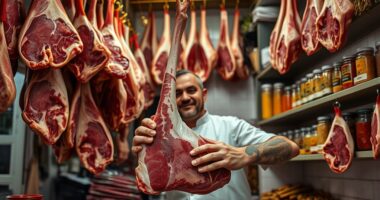
Halal isn't just about food; it's a lifestyle rooted in ethical and moral practices. Many believe halal meat is only for Muslims, but it's suitable for everyone. Misunderstandings about cruelty in halal slaughter are unfounded—it's humane and prioritizes animal welfare. The flavor of halal meat is influenced more by diet and cooking than the slaughter method itself. By choosing halal, you're ensuring ethical and hygienic standards. Explore further to uncover more truths about halal practices and enjoy all they offer.

Get kitchen staples and gadgets delivered free with Prime
- Fast, free delivery on millions of items
- Prime Video, Amazon Music and more included
- Member-only deals all year
Key Takeaways
- Halal meat is suitable for everyone, not just Muslims, and adheres to strict ethical standards.
- Misconceptions about cruelty in halal practices are unfounded; it prioritizes animal welfare and minimizes suffering.
- The flavor of halal meat is similar to non-halal meat, influenced more by diet and cooking methods than the slaughter process.
- Halal certification ensures ethical treatment, cleanliness, and absence of harmful substances during meat preparation.
- Humane slaughter practices reflect respect for animals, ensuring ethical sourcing and care throughout their lives.
As an affiliate, we earn on qualifying purchases.
Understanding Halal: More Than Just Food
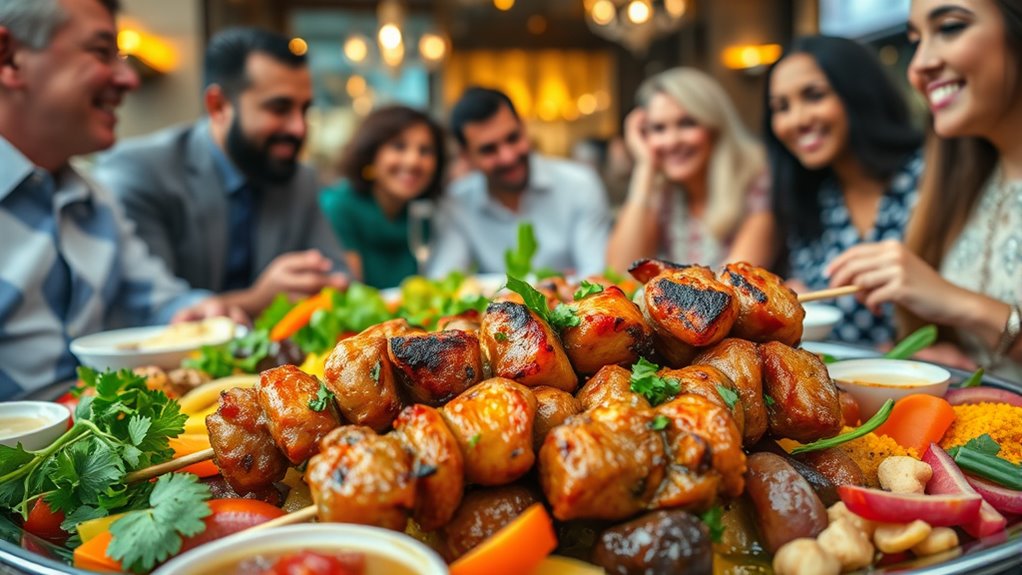
While many people associate halal primarily with dietary restrictions, it represents much more than just what you eat. Halal encompasses a lifestyle guided by ethical and moral practices rooted in Islamic law.
When it comes to halal food, the guidelines prohibit certain items like pork and alcohol, emphasizing cleanliness and compassion throughout the process. Halal certification ensures that food adheres to these standards, reflecting a commitment to quality and morality.
The ritual of halal slaughter involves invoking God's name and treating animals with respect, aligning with core Islamic values. This approach not only promotes health but also fosters a diverse culinary experience that everyone can enjoy, regardless of background.
Embracing halal means embracing a holistic way of living.
Common Misconceptions About Halal Meat
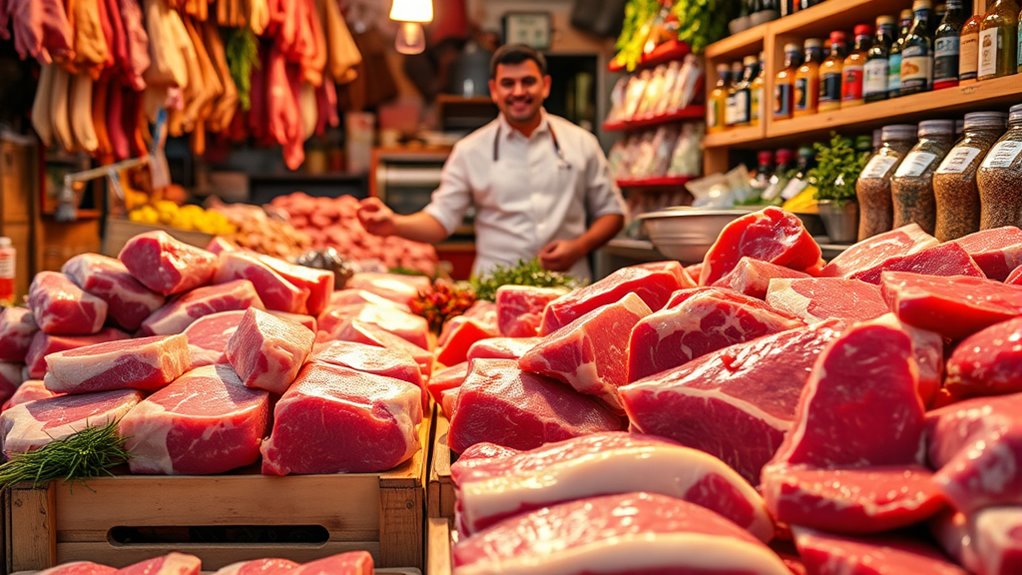
Many people hold misconceptions about halal meat, often assuming it's only for Muslims or that it involves cruel practices.
In reality, halal meat is suitable for anyone seeking ethically sourced and hygienically prepared options. The method of slaughter used in halal practices prioritizes animal welfare, minimizing suffering instead of promoting cruelty.
You'll find that the taste of halal meat is similar to non-halal meat; flavor comes from factors like diet and cooking methods, not the slaughter process.
Plus, halal guidelines ensure cleanliness and the absence of harmful substances, making it attractive for health-conscious individuals.
With a diverse range of flavorful dishes, halal cuisine is increasingly available in restaurants and grocery stores, making it accessible to everyone.
The Humane Aspects of Halal Slaughter
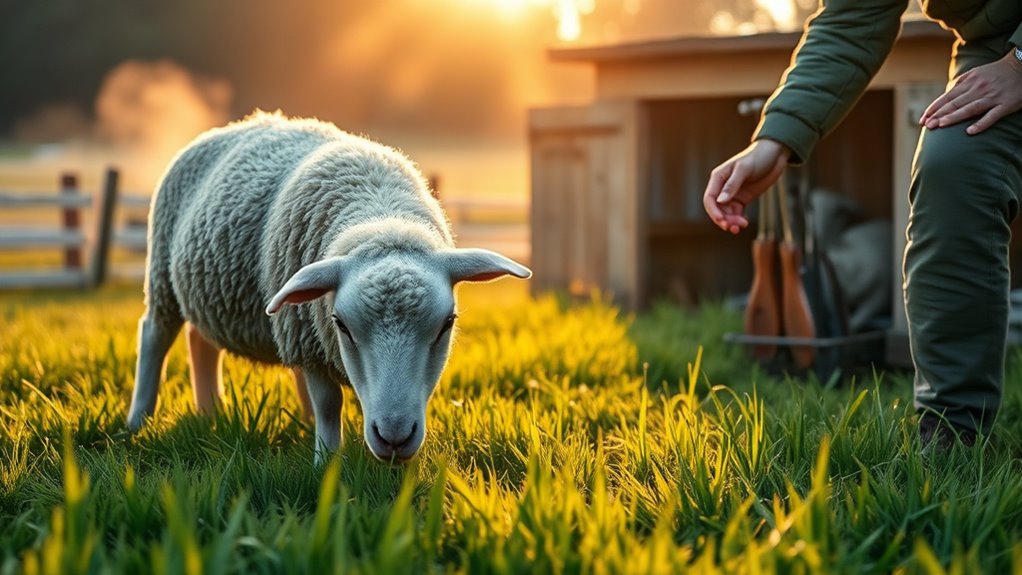
When considering halal slaughter, you'll find that it prioritizes humane treatment and animal welfare at every stage.
The process begins with ensuring that animals are well-treated and cared for, reducing stress before their journey. A sharp knife is used during the slaughter, allowing for a quick, efficient cut that minimizes suffering. This method reflects the deep respect for living beings inherent in Islamic principles.
Flavor Profiles: Halal vs. Non-Halal Meat
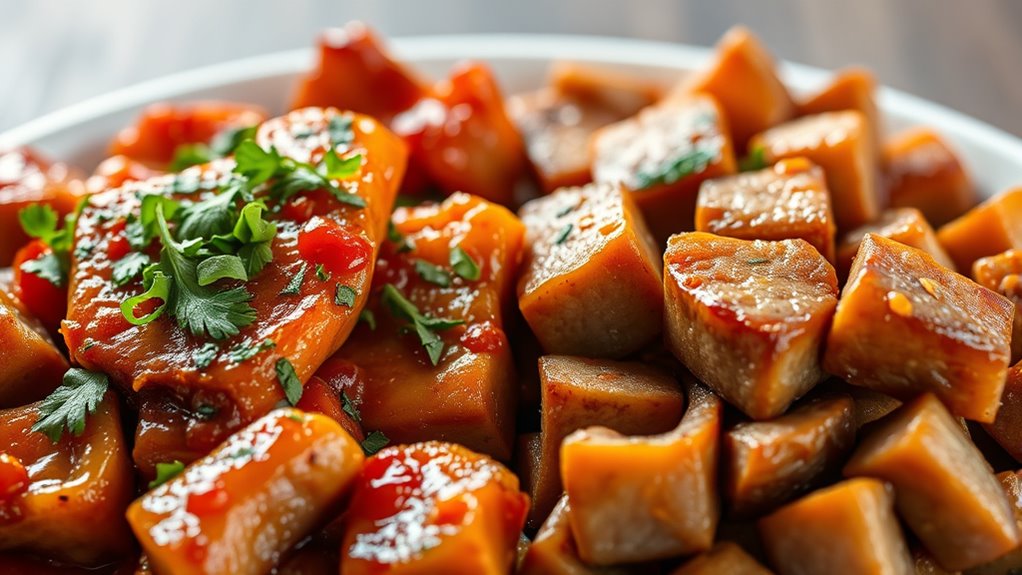
Understanding the humane aspects of halal slaughter leads to a common question about flavor profiles: how does halal meat compare to non-halal meat?
The truth is, the flavor of meat depends more on the animal's diet, breed, and cooking method than on the slaughter process itself.
Halal meat doesn't have a distinct taste that sets it apart from non-halal options. Both can boast a variety of flavors, influenced by preparation and seasoning techniques.
The misconception that halal meat tastes different usually stems from misunderstandings rather than real culinary differences.
Ultimately, halal certification focuses on ethical treatment and dietary guidelines, ensuring humane practices without altering the meat's inherent flavor. Additionally, understanding halal dietary practices can help clarify how these guidelines impact the overall food experience.
The Importance of Ethical and Hygienic Practices
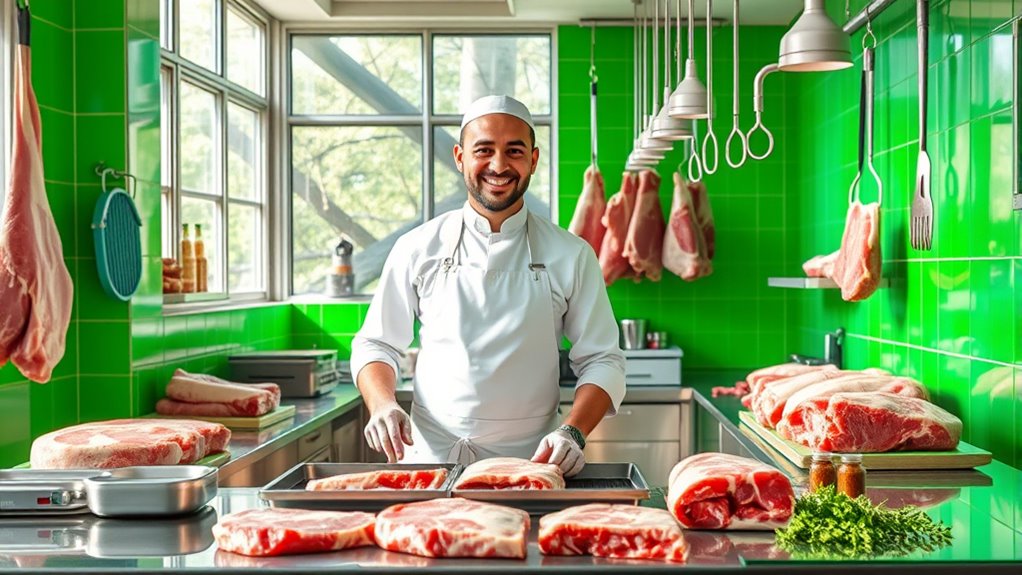
Ethical and hygienic practices are essential in the preparation of halal meat, ensuring that animals are treated with respect and that food safety is prioritized.
Halal certification serves as a reliable indicator of compliance with these standards, helping you make informed choices. The guidelines to ensure animal health and welfare are strictly adhered to, promoting ethical sourcing and humane treatment throughout the animal's life.
Cleanliness in processing is crucial, significantly reducing the risk of contamination and ensuring safe consumption. Additionally, these rigorous standards prevent harmful substances, guaranteeing a wholesome product.
Accessibility and Enjoyment of Halal Cuisine
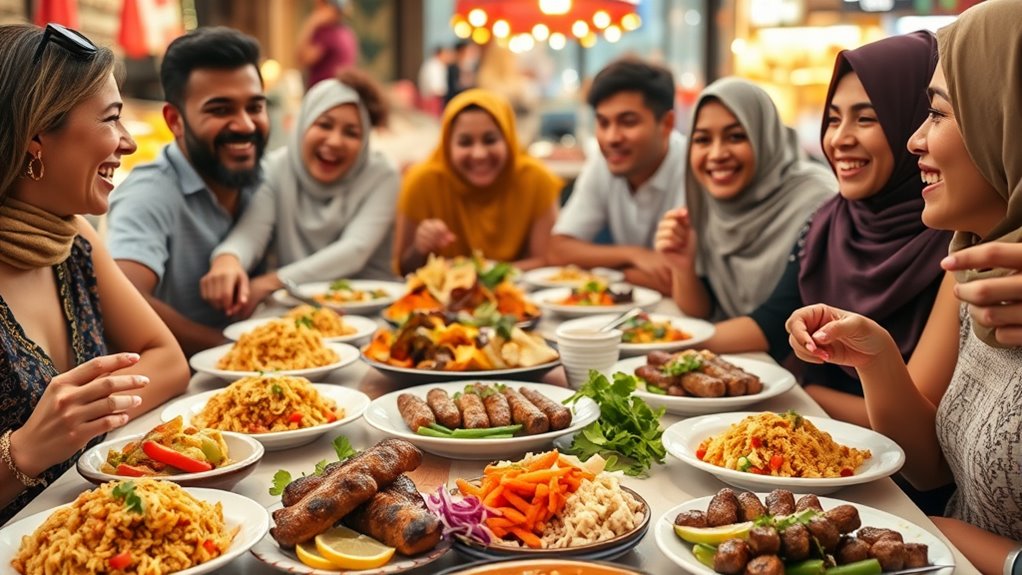
How can you enjoy a vibrant array of flavors while adhering to ethical eating practices? The Halal diet offers just that, with certified Halal options available for everyone, regardless of religious affiliation.
You'll find popular dishes like kebabs and shawarma showcasing diverse flavors that tantalize your taste buds.
As Halal food becomes more accessible in restaurants and grocery stores, it's easier than ever to indulge in these delicious meals. Additionally, the rise of modern halal trends has led to innovative culinary creations that cater to a wide audience.
Frequently Asked Questions
Is Halal Scientifically Proven?
Halal isn't scientifically proven in the way you might expect. It's based on religious guidelines that emphasize ethical treatment and humane slaughter, which aligns with animal welfare principles.
While halal practices ensure certain hygiene standards, these aren't exclusive to halal food. The dietary restrictions, like avoiding pork and alcohol, promote health-conscious choices, but their scientific validation can differ based on individual health needs.
What Is Surprisingly Not Halal?
You might think a delicious shrimp cocktail or a tempting chocolate-covered treat is safe, but surprise awaits.
Not all seafood is considered halal, especially shellfish, depending on interpretations. Processed snacks can hide non-halal ingredients like pork-derived gelatin.
Even seemingly innocent dairy products may have additives from non-halal sources. Always check labels and certifications, ensuring your culinary choices align with halal standards, so you can enjoy your meals worry-free.
Is All Meat Haram Until Proven Otherwise?
No, not all meat is haram until proven halal.
In fact, most meat is considered halal unless it's clearly labeled as haram. You can trust that many halal-certified meats have undergone strict inspections to meet Islamic dietary laws.
It's important to look for halal certification labels, which make it easier for you to select compliant options.
Why Is Halal Meat Killed That Way?
Imagine a serene moment where compassion meets necessity.
Halal meat is killed using a method called Zabiha, designed to ensure a swift, humane death. You'd see that this process respects the animal's life by invoking God's name and emphasizing ethical treatment.
A sharp knife ensures efficiency, reducing suffering. The focus on cleanliness and hygiene in handling further reflects the deep commitment to compassion, making Halal practices not just a ritual, but a moral obligation.
Conclusion
So, next time you hear someone dismiss halal as just a trendy fad, remember that it's rooted in centuries of tradition and ethics. Ironically, while some people think avoiding halal makes them more open-minded, they might just be missing out on a flavorful, humane, and hygienic dining experience. Embracing halal isn't just about food; it's about appreciating diverse practices that bring us all together. Why not give it a try? You might just discover a new favorite dish!
NFL season / tailgating Picks
team gear
As an affiliate, we earn on qualifying purchases.