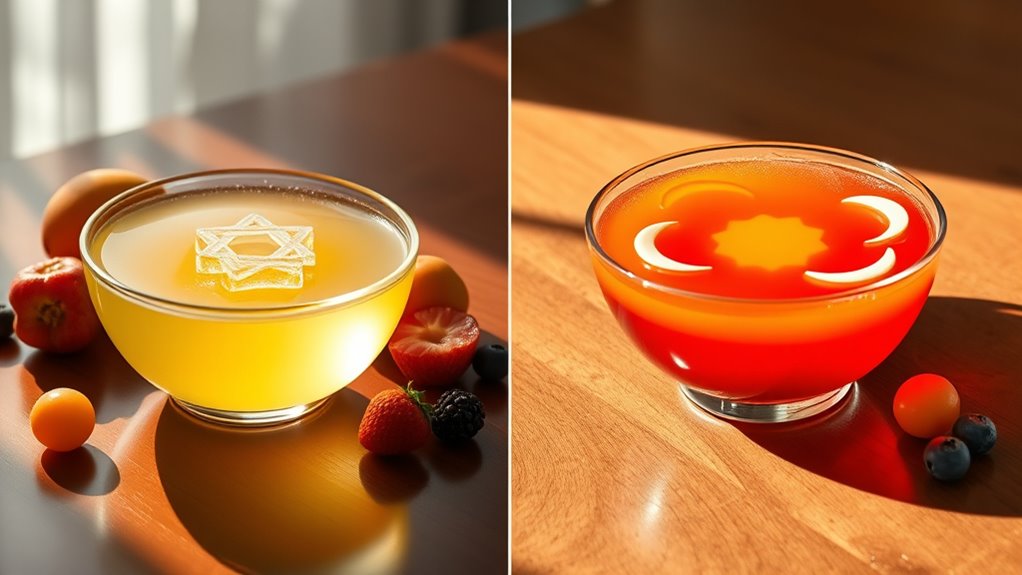

Kosher gelatin isn't automatically halal. While both certifications focus on dietary laws, kosher rules stem from Jewish practices, and halal standards come from Islamic laws. The source of the gelatin and the production process are crucial for halal compliance. For instance, gelatin from porcine animals is haram, and even fish-derived gelatin can be complicated. It's essential to verify the certifications and not assume that kosher guarantees halal. Stay with us to explore the details further.
Is kosher gelatin halal? This question often arises among those observing dietary restrictions in both Islam and Judaism. While kosher gelatin is derived from animals slaughtered according to Jewish dietary laws, it doesn't automatically meet halal standards. The key difference lies in the animal slaughter process, which must adhere to specific Islamic laws to be considered halal.
Is kosher gelatin automatically halal? Not necessarily, as it depends on the animal slaughter process and certification.
When you think about kosher gelatin, it's important to note that it can come from various animal sources. If the gelatin is derived from porcine animals, it's considered haram in Islam, making it unsuitable for Muslim consumers.
Even kosher gelatin sourced from fish may not be a straightforward option for you, as its acceptability hinges on the production process and the certifications provided. It's essential to verify these details before making a decision.
Halal certification involves a thorough evaluation of the entire production process, ensuring that it complies with Islamic dietary laws. This is markedly different from kosher certification, which primarily focuses on adherence to Jewish laws.
Given these distinctions, you shouldn't assume that the presence of kosher certification guarantees that a product is halal. As a Muslim consumer, you'll want to seek out specific halal certification for gelatin products to ensure they meet your dietary requirements.
If you're considering kosher gelatin for your diet, it's crucial to look for products that explicitly state they're halal certified. This certification will give you peace of mind that the gelatin complies with halal laws. Additionally, understanding the investment regulations regarding dietary certifications can help you make informed choices.
The production process matters just as much as the source of the gelatin. Without proper halal certification, you risk consuming something that doesn't align with your dietary restrictions.
Frequently Asked Questions
Is Kosher Gelatine Halal?
When you ask if kosher gelatin is halal, it's important to know that not all kosher products meet halal standards.
The source of the gelatin matters; for instance, if it comes from pork, it's definitely non-halal.
Even kosher gelatin derived from fish mightn't be halal unless it's certified.
Always check for halal certification to ensure the product meets Islamic dietary laws.
It's best to choose products specifically labeled as halal for peace of mind.
Does Halal and Kosher Overlap?
Halal and kosher do overlap in some areas, but significant differences exist.
Both require humane treatment of animals, yet the slaughter methods differ. While some kosher products, especially those from fish, might meet halal standards, not all kosher foods are automatically halal.
You'll need to check ingredients carefully, as pork gelatin in kosher items makes them unsuitable for Muslims. Always verify certifications to ensure what you're consuming aligns with your dietary needs.
What's the Difference Between Gelatin and Kosher Gelatin?
Imagine walking into a candy store, drawn in by the shimmering treats. You reach for a gummy bear, but it's vital to know what it's made of.
Gelatin is derived from collagen in animal bones and skin, while kosher gelatin specifically comes from animals slaughtered according to Jewish law.
This means it must adhere to strict guidelines, ensuring it's not just any gelatin but one that meets kosher standards.
How Do You Know if Gelatin Is Halal or Haram?
To determine if gelatin is halal or haram, you need to check its source. Gelatin from pigs is haram, so avoid products containing porcine gelatin.
Look for halal certification from reputable Islamic organizations to ensure compliance with dietary laws.
If you're considering kosher gelatin, verify its sourcing and production methods, as it mightn't always meet halal standards.
Always read ingredient labels and confirm with manufacturers about gelatin's halal status for peace of mind.
As an affiliate, we earn on qualifying purchases.
Conclusion
In the vibrant world of dietary choices, kosher gelatin can be a bit of a puzzle. Picture yourself at a bustling market, surrounded by colorful treats, yet uncertain about what's permissible. While kosher gelatin meets strict Jewish dietary laws, its halal status can depend on the source and certification. So, as you explore delicious options, remember to check labels and trust your instincts—because navigating these culinary waters can lead to delightful discoveries that respect both faiths.