
Rice wine isn't halal because it typically contains about 14% alcohol, which exceeds the permissible limits in Islamic dietary laws. Even if cooked, trace amounts of alcohol may remain, rendering dishes haram. It's crucial to distinguish between rice wine and rice vinegar, as the latter is safe and non-alcoholic. If you're curious about halal alternatives and how to ensure your food choices align with dietary laws, there's more to explore on this topic.

Get kitchen staples and gadgets delivered free — and shop member deals
- Fast, free delivery on millions of items
- Access to Prime Big Deal Days deals on October 6–7
- Prime Video, Amazon Music and more included

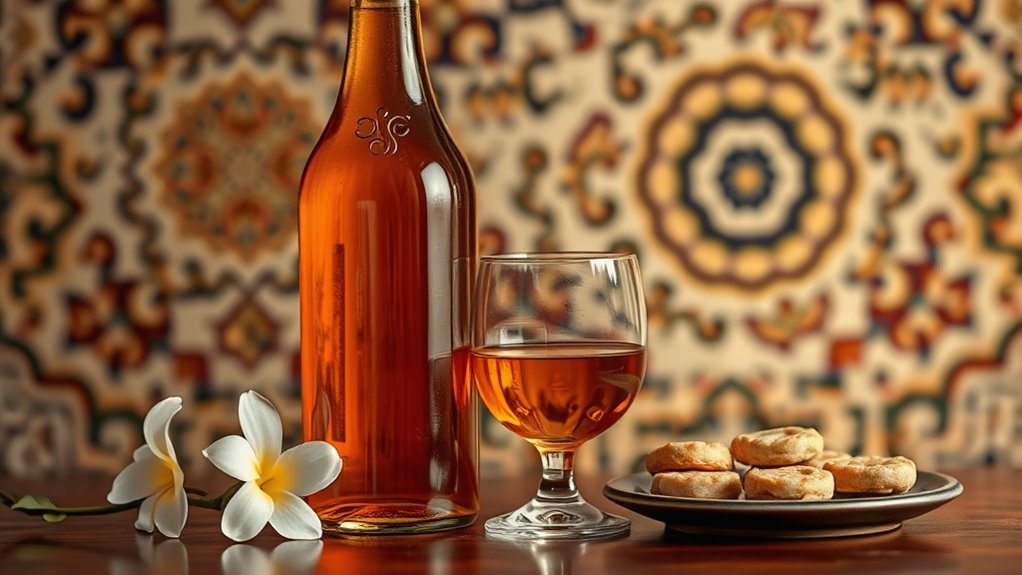
When it comes to rice wine, you might wonder if it fits within halal dietary guidelines. The short answer is no; rice wine is generally considered Haram due to its alcohol content. Rice wine, like mirin, can contain around 14% alcohol, which isn't permissible for consumption according to Islamic dietary laws.
Even though rice wine is made from fermented rice, the fermentation process retains a significant amount of alcohol that doesn't meet halal standards.
You might be tempted to think that cooking with rice wine is acceptable because it's often used in various recipes. However, it's important to note that while cooking may leave trace amounts of alcohol, the initial presence of alcohol in rice wine renders the dish Haram if that amount exceeds acceptable limits. This is crucial to understand, especially when you're trying to adhere to halal dietary practices.
Now, let's clarify an important difference between rice wine and rice vinegar. Rice vinegar, unlike rice wine, undergoes fermentation that converts the alcohol into acetic acid, making it non-alcoholic.
This transformation is what typically makes rice vinegar permissible for consumption in halal diets. Therefore, while rice vinegar can be a suitable alternative in cooking and dressings, rice wine should be avoided at all costs.
You might also be interested in halal certification when it comes to food products. Many food items need to be certified halal to ensure they comply with dietary laws.
Since rice wine retains its alcohol content, it wouldn't qualify for halal certification. This means that even if you find a dish prepared with rice wine, it's best to steer clear if you're committed to maintaining a halal diet. Additionally, understanding the health implications of alcohol consumption can further guide your dietary choices.
Frequently Asked Questions
Is Rice Wine Is Halal?
When considering whether rice wine is halal, you need to look at its alcohol content and fermentation process.
Rice wine, like sake and mirin, contains significant amounts of alcohol, which are considered intoxicating. This makes it non-compliant with Islamic dietary laws.
Even if you use it in cooking, the alcohol may still remain. To stay halal, it's best to avoid rice wine and choose alternatives that don't contain any alcohol.
Is There Any Alcohol in Rice Wine?
Yes, there's alcohol in rice wine. Typically, it contains around 14% alcohol for mirin and up to 18% for sake.
This alcohol results from the fermentation process, where sugars in rice convert into alcohol. Even when you use it in cooking, some of that alcohol can remain unless it's cooked off properly, which can be tricky.
Can Muslims Consume Rice Wine Vinegar?
Picture a bustling Asian market, filled with the tangy aroma of rice wine vinegar wafting through the air.
If you're wondering whether you can consume rice wine vinegar as a Muslim, the answer's generally yes. Most plain rice vinegars don't have intoxicating alcohol levels, making them halal.
Just be sure to check labels for halal certification and watch out for any flavored varieties, as they might contain non-halal ingredients.
Enjoy those culinary adventures!
Is 0.0% Wine Halal?
When considering if 0.0% wine is halal, you should look for proper certification to ensure it meets halal standards.
Most 0.0% wines undergo processes that remove alcohol completely, making them potentially permissible. However, always check the ingredient label for any non-halal additives.
Keep in mind that some experts might raise concerns about the fermentation process, so consulting a trusted halal authority is advisable for peace of mind.
As an affiliate, we earn on qualifying purchases.
Conclusion
In the grand tapestry of culinary traditions, rice wine can be a double-edged sword for those seeking halal options. While it may evoke images of celebration and cultural richness, its alcohol content often places it outside the bounds of halal dietary laws. Just as a lantern illuminates the path ahead, understanding these distinctions can guide your choices. So, when raising a glass, remember to choose wisely, ensuring your journey aligns with your beliefs and values.
Halloween Picks
halloween
As an affiliate, we earn on qualifying purchases.