Halal meat is certified to meet Islamic standards, meaning animals are slaughtered humanely with a sharp knife and a specific prayer, ensuring minimal pain and respect for the animal. It must be free from forbidden substances and handled ethically throughout the process. Certification confirms these practices and standards are followed. If you’re curious, you’ll discover more about the important principles behind halal meat and how it differs from other types.

Get kitchen staples and gadgets delivered free with Prime
- Fast, free delivery on millions of items
- Prime Video, Amazon Music and more included
- Member-only deals all year
Key Takeaways
- Halal meat is certified and prepared according to Islamic guidelines, ensuring compliance with religious standards.
- The animal must be alive, healthy, and slaughtered with a sharp knife using a specific prayer.
- Proper slaughtering involves humane treatment, minimizing pain and respecting animal welfare.
- Halal meat must be free from forbidden substances and additives.
- Certification verifies adherence to safety, purity, and ethical standards in the halal process.
As an affiliate, we earn on qualifying purchases.
What Is Halal Meat and Why Does It Matter?

Have you ever wondered what makes meat halal and why it’s important? Halal meat meets specific religious and ethical standards, verified through halal certification. This certification guarantees the meat comes from animals slaughtered according to Islamic law, emphasizing humane treatment. Ethical considerations play a significant role, as halal practices promote compassion and respect for animals. When you choose halal meat, you’re supporting practices aligned with these values, which prioritize minimizing suffering. Additionally, many consumers find that halal meat is often associated with quality assurance, as it is subjected to rigorous checks throughout the production process. Trusted businesses and services help ensure that halal products are sourced from reliable suppliers, further enhancing consumer confidence. Halal certification also provides assurance of quality and cleanliness, helping you trust the source of your meat. For many, understanding these principles makes their choice more meaningful, knowing they’re respecting their faith and ethical beliefs. Ultimately, halal meat isn’t just about religion; it’s about conscious, responsible consumption. Moreover, choosing halal meat can also reflect a commitment to ethical sourcing practices that resonate with broader values of sustainability and animal welfare. Additionally, the importance of color accuracy in food presentation can enhance the overall dining experience. Creating cozy spaces filled with natural light can also contribute to a more enjoyable meal environment.
What Are the Key Criteria for Halal Meat?
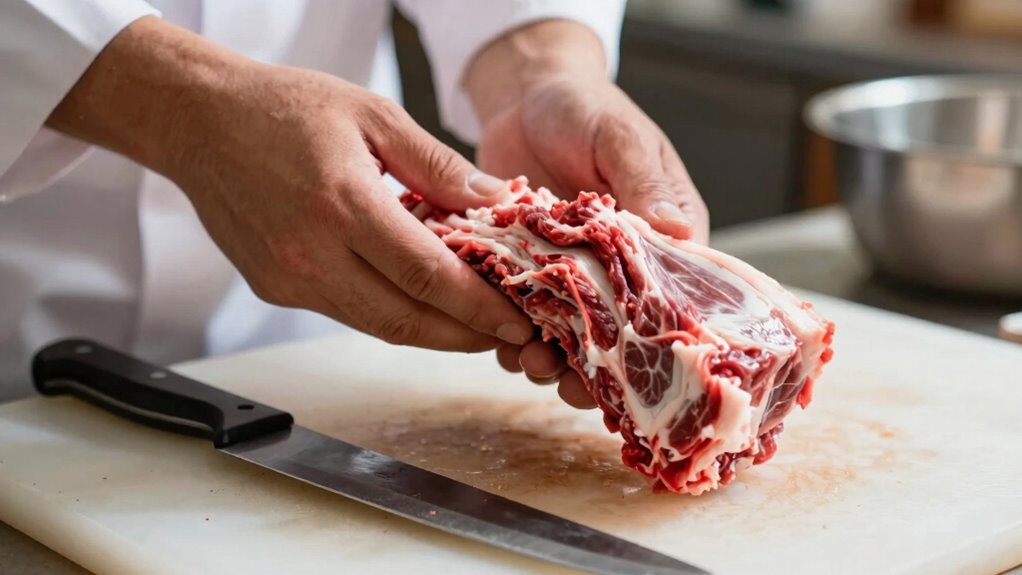
Understanding the key criteria for halal meat helps guarantee you’re choosing products that align with Islamic teachings and ethical standards. The first requirement is halal certification, which verifies that the meat meets Islamic guidelines. This certification confirms the meat has been prepared following specific rules, including proper slaughtering methods and cleanliness. Equally important is ethical animal treatment; animals must be raised and slaughtered humanely, without suffering. The animal should be healthy at the time of slaughter, and the process should be performed by a knowledgeable Muslim who recites the appropriate prayer. By paying attention to halal certification and ethical animal treatment, you can confidently select meat that respects religious principles and promotes compassionate practices. Additionally, being aware of market trends can help consumers make informed choices regarding halal meat sourcing.
How Does Proper Slaughtering Ensure Meat Is Halal?

Proper slaughtering is essential to guarantee meat is considered halal because it directly aligns with Islamic dietary laws. When done correctly, it assures the meat meets the standards for Halal Certification and reflects ethical slaughtering practices. To achieve this, the process involves:
Proper slaughtering ensures meat is halal, ethical, and aligned with Islamic dietary laws.
- Using a sharp knife to minimize pain and ensure a swift, humane cut
- Reciting a specific prayer to invoke Allah’s blessing during slaughter
- Ensuring the animal is healthy and alive at the time of slaughter
This method not only complies with religious requirements but also emphasizes compassion and respect for the animal. Proper slaughtering guarantees the meat is free from forbidden substances, making it truly halal and ethically prepared. Additionally, just as in cycling, proper gear maintenance is crucial for ensuring optimal performance and safety. Maintaining indoor air quality is equally important, as it helps create a healthier environment for all. Furthermore, understanding natural ingredients can enhance overall health and wellness in various contexts, including dietary practices. It’s important to note that following ethical slaughtering practices contributes to a more humane treatment of animals. Moreover, adhering to high-quality content in discussions about halal practices ensures that the information shared is trustworthy and informative.
How Is Halal Meat Different From Non-Halal Meat?
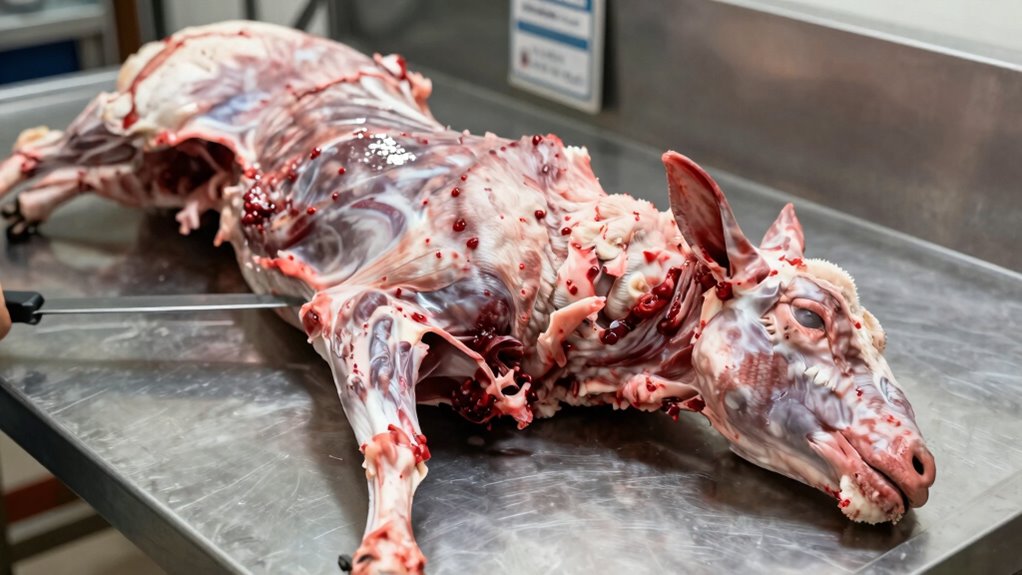
Sure! Here’s your revised article content with the requested changes:
—
Halal meat differs from non-halal meat primarily in how the animal is slaughtered and prepared. Halal meat must meet strict requirements, including Halal certification, guaranteeing it follows Islamic law. This process involves humane slaughtering with specific prayers and no intoxicants or forbidden substances. Additionally, exploring new frontiers in meat quality standards ensures that halal meat is not only compliant with religious guidelines but also safe for consumption. Research indicates that indoor air quality can be impacted by various factors, making it essential for consumers to consider the environment in which food is processed. Furthermore, brewing fundamentals highlight the importance of understanding the underlying processes that contribute to the overall quality of food and beverages. Non-halal meat may not adhere to these standards, affecting its purity and preparation. The key differences are summarized below:
| Aspect | Halal Meat | Non-Halal Meat |
|---|---|---|
| Slaughter Method | Humane, with prayer, swift cut | Varies, not necessarily humane |
| Certification | Must be Halal-certified | Often lacks certification |
| Meat Quality Standards | Strict adherence to safety and purity | Less regulated, variable quality |
| Preparation | No forbidden substances | May contain non-permitted additives |
Additionally, the emphasis on meat quality standards ensures that halal meat is not only compliant with religious guidelines but also safe for consumption. Moreover, understanding projector choices can enhance your overall experience by ensuring you have the right setup for viewing, similar to how proper meat preparation can elevate the dining experience.
—
Let me know if you need any further modifications!
Common Misconceptions About Halal Meat Debunked

Many misconceptions surround halal meat, leading people to misunderstand its practices and standards. Some believe halal involves inhumane treatment, but Islamic dietary laws emphasize ethical slaughter, guaranteeing animals are treated with respect. Others think halal meat is less safe or inferior, but it undergoes strict guidelines similar to non-halal meat. Additionally, some assume that halal slaughter relies solely on ritual words without caring for animal welfare.
To clear up confusion:
- Halal slaughter follows ethical slaughter principles, prioritizing humane treatment. It shares similarities with crochet styles that emphasize creativity and care in their processes. Moreover, halal practices are rooted in ethical consumerism, which highlights the importance of making responsible choices.
- It includes specific procedures aligned with Islamic dietary laws to ensure safety and purity.
- The focus is on compassion and respect for animals, not just ritual recitation. Furthermore, halal practices ensure animal welfare is a fundamental aspect of the process.
Understanding these facts helps you appreciate the true standards behind halal meat.
Frequently Asked Questions
Can Vegetarian Foods Be Considered Halal?
Vegetarian foods can be considered halal because they contain no meat or forbidden ingredients. If you follow a plant-based diet, your meals naturally align with halal standards, as no slaughtering process is involved. Vegetarian alternatives like plant-based meats or dairy are permissible, provided they don’t contain alcohol or other haram additives. So, if you stick to these, your plant-based diet remains halal and suitable for your dietary needs.
Is Alcohol Permitted in Halal Meat Preparation?
Alcohol is not permitted in halal meat preparation because of the alcohol restriction in Islamic law. During halal slaughter, the focus is on ensuring the animal is treated ethically and the meat is pure, free from forbidden substances like alcohol. You should avoid any meat processed with alcohol, as it invalidates its halal status. Consuming halal meat means adhering to these rules to maintain religious and dietary integrity.
Are There Specific Animals That Are Not Halal?
Ever wondered if some animals are off-limits? Yes, certain animals are not halal. You should avoid prohibited species like pigs, carnivorous animals, and those not properly slaughtered according to Islamic guidelines. Animal restrictions are strict to guarantee the meat is halal, so you can trust that animals like dogs, cats, or any unclean creatures aren’t part of your halal diet. Always check for proper slaughter and animal type.
How Does Halal Certification Impact Meat Quality?
Halal certification often enhances meat quality because it guarantees strict adherence to proper meat processing and certification standards. When meat is certified, you can trust that it’s been handled with care, free from contamination, and slaughtered humanely. This rigorous process not only respects religious requirements but also promotes cleanliness and freshness, leading to higher-quality meat. So, with halal certification, you’re more likely to enjoy meat that’s safe, pure, and of superior quality.
Can Non-Muslims Consume Halal Meat?
Yes, non-Muslims can consume halal meat. Studies show that a significant portion of halal-certified products are enjoyed by diverse consumers worldwide. Halal slaughter emphasizes ethical considerations, ensuring animals are treated humanely, which appeals to many. While halal meat follows specific religious rules, its emphasis on cleanliness and animal welfare makes it suitable for anyone seeking ethically sourced food. So, if you value humane practices, halal meat can be a good choice for you.
Conclusion
Knowing what makes meat halal helps you make mindful choices. Remember, over 1.8 billion Muslims worldwide prefer halal meat, emphasizing its cultural and religious significance. Proper slaughtering isn’t just a ritual—it guarantees the meat is humane and pure. By understanding these key criteria, you can confidently select halal options, respecting traditions while enjoying your meals. Making informed decisions supports ethical practices and cultural respect in your everyday eating habits.
Halloween Picks
halloween
As an affiliate, we earn on qualifying purchases.