TL;DR

Get kitchen staples and gadgets delivered free with Prime
- Fast, free delivery on millions of items
- Prime Video, Amazon Music and more included
- Member-only deals all year
Keurig and Lavazza have introduced single-serve coffee systems using compressed coffee tablets or compostable pods, while Caraway has released a machine designed to keep plastic out of the brewing path. The products respond to consumer interest in reducing plastic, but their costs, packaging and environmental benefits differ, and research has not established the health effects of microplastic exposure.
Keurig, Lavazza and Caraway have recently brought new coffee machines or single-serve products to market that reduce plastic use or keep plastic out of the brewing path, responding to consumer interest in plastic-free alternatives. The launches offer different approaches—not a single shared standard—and come as the health effects of microplastic exposure remain uncertain.
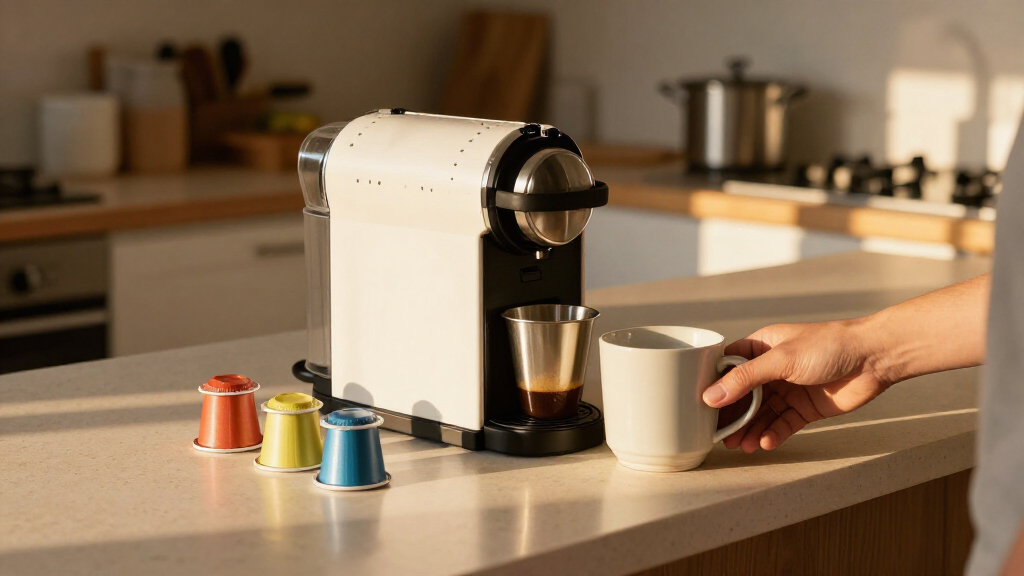
Lavazza introduced its Tablì system in the United States in June. The $129 machine uses single-serve espresso tablets made from compressed ground coffee rather than the company’s conventional plastic-and-aluminum capsules. Lavazza said its custom process compresses measured, ground and tamped coffee into a ready-to-use tablet. The tablets are intended for the Tablì machine, rather than standard capsule brewers.
Keurig launched its Alta machine and AltaRounds pods in October. The company describes the pods as compostable and says they use significantly less plastic than its K-Cup pods. They are designed for the Alta system and do not fit older Keurig machines. An Alta bundle with glassware and pods costs $499, according to the CNN report. Keurig did not provide a detailed comparison of the pods’ end-of-life performance in the source material.
Caraway’s $495, 10-cup coffee maker, released the previous month, takes a different route: it uses stainless steel and glass and is designed so plastic does not touch the coffee grounds. The machine is not a pod system. Caraway CEO Jordan Nathan told CNN that the design required custom-made components. The company said demand was strong enough that the machine had sold out until January and that it was increasing production.
Different Routes to Less Coffee Plastic
The launches give consumers several ways to reduce plastic in a routine that often involves heating water and coffee in contact with machine components or single-use packaging. Lavazza replaces capsules with coffee tablets, Keurig offers a redesigned pod and dedicated brewer, and Caraway changes the materials along the brewing path. Those distinctions matter: a machine with no plastic in its brew path is not the same environmental proposition as a compostable pod, and neither automatically means the whole product or its packaging is plastic-free.
Price and compatibility could affect how widely the products are adopted. The reported $499 Keurig bundle and $495 Caraway machine cost more than many conventional coffee makers, while AltaRounds require a new machine. A consumer weighing the switch may need to consider equipment cost, ongoing pod or tablet availability, and how used components can be disposed of locally. The source does not provide comparative lifecycle analyses or cost-per-cup figures.
The trend also connects product design with public concern, rather than settling questions about health. A 2025 poll conducted by environmental group 5 Gyres found nine in 10 Americans concerned about the effects of tiny plastic pieces on the planet and their bodies. That figure measures concern, not proof of harm. Research is still needed to determine the actual health effects of microplastics.
Popular right now

De'Longhi Rivelia Fully Automatic Espresso Machine with Milk Frother, White

De'Longhi Dinamica Plus Fully Automatic Espresso Machine

Ninja DualBrew Pro Specialty Coffee Maker, Black, CFP301
As an affiliate, we earn on qualifying purchases.
From K-Cups to New Designs
Keurig helped popularize single-serve coffee pods with K-Cups in the 1990s. The company later faced criticism over how those plastic pods were marketed for recycling. In 2022, Keurig agreed to pay $10 million to settle a class-action lawsuit alleging it misled consumers by describing K-Cups as recyclable; the company denied wrongdoing, according to the source report. That history forms part of the scrutiny around new claims about less plastic or compostability.
The recent launches also reflect a broader rise in spending on home coffee equipment since the pandemic. Peter Giuliano, senior adviser for research at the Specialty Coffee Association, told CNN that interest combines health concerns, environmental concerns and the perceived luxury of metal and glass. The report did not provide sales totals or market-share data establishing how large the shift is.
Caraway said interest in avoiding plastic has grown across kitchen products and other household goods, and positioned coffee as a further extension of that focus. Lavazza, meanwhile, described Tablì as a major US investment as it seeks to expand its business there. These are company strategies and explanations for the launches, not independent measures of customer demand or environmental performance.
“Consumers want to enjoy their coffee without the waste that usually comes with single-serve.”
— Daniele Foti, vice president of marketing for Lavazza North America
Health and Disposal Questions Remain
The source report says more research is needed to determine the actual harm microplastics cause. It also reports that studies have found pods shed microplastics, but does not identify those studies, quantify exposure, or establish what any measured exposure means for health. The reported poll reflects public concern and should not be read as medical evidence.
The environmental claims also need product-specific detail. Keurig calls AltaRounds compostable and says they significantly reduce plastic compared with K-Cups, but the source does not specify the certification, whether home or industrial composting is required, or how readily the pods are accepted in local waste systems. Lavazza’s tablets avoid the traditional capsule cup, but the report says both Lavazza and Keurig products still have plastic packaging. No independent lifecycle comparison is provided for either system or Caraway’s machine.
It is also unclear how long the products will remain available, whether their initial sellouts will translate into sustained sales, and how much they cost to use over time. Reported retail prices do not establish affordability or total ownership cost.
Supply and Performance Will Be Watched
Caraway said it was ramping up production after its machine sold out through January. The source report says Keurig and Lavazza products also sold out quickly after their initial releases, but does not give restock dates or sales figures. Availability and continuing demand will be the next visible tests of whether early interest can support broader production.
Consumers considering a purchase can check which pods or tablets fit a machine, the manufacturer’s disposal instructions, and whether local composting services accept the material. Further reporting may clarify the products’ performance, costs, packaging composition and environmental impact. The companies’ claims about reduced plastic will be easier to compare when product-level data and disposal requirements are available.
Key Questions
Which new coffee products are designed to reduce plastic?
Lavazza Tablì uses compressed coffee tablets, Keurig’s AltaRounds are described as compostable and lower in plastic than K-Cups, and Caraway’s machine is designed with no plastic touching the grounds.
Can AltaRounds be used in older Keurig machines?
No. The source report says AltaRounds do not fit older Keurig machines and require the Alta brewer.
Are the new products completely plastic-free?
Not all of them. Caraway says its machine has no plastic in the brewing path, while Lavazza and Keurig machines contain some plastic. 5 Gyres’ Melissa Valliant also said both pod systems still use plastic packaging.
Do microplastics from coffee pods cause health problems?
The source report says studies have shown pods shed microplastics, but more research is needed to determine the actual harm. It does not establish that exposure from these products causes a particular health outcome.
How much do the machines cost?
The reported prices are $129 for Lavazza’s Tablì machine, $499 for a Keurig Alta bundle with glassware and pods, and $495 for Caraway’s 10-cup machine. The report does not provide ongoing cost-per-cup comparisons.
Source: cnn.com