
TL;DR

Get kitchen staples and gadgets delivered free with Prime
- Fast, free delivery on millions of items
- Prime Video, Amazon Music and more included
- Member-only deals all year
The best lunch boxes for kids are durable, safe, and eco-friendly. They include features like compartments and insulation to keep food fresh and appealing while reducing waste. Choosing the right one can make lunchtime effortless and fun.
Imagine your kid opening their lunch box to find a colorful, well-organized meal. It’s not just about the food — it’s about the container that keeps it fresh, safe, and exciting. Good lunch boxes do more than carry lunch; they encourage healthy habits and reduce waste.
In this article, you’ll learn how to pick the perfect lunch box, what features matter most, and how recent innovations are changing the game. Whether your child prefers superheroes or sleek stainless steel, you’ll find tips to make lunchtime enjoyable and safe.
Choose materials like stainless steel or BPA-free plastics for safety and durability.
Insulation helps keep food fresh and at safe temperatures, especially for perishable items.
Involving kids in packing makes lunch more appealing and encourages healthy habits.
Opt for eco-friendly, reusable lunch boxes to cut waste and save money over time.
Regular cleaning and inspection prolong the life of your child’s lunch box and ensure safety.
How to Pick a Safe and Durable Lunch Box for Your Kid
Choosing a lunch box isn’t just about cute designs. Safety and durability are key. Look for BPA-free plastics, stainless steel, or silicone. These materials are non-toxic and withstand daily rough handling. For instance, stainless steel lunch boxes can last years, resisting dents and stains.
Size matters, too. A 600 ml to 1-liter capacity fits most kids’ appetites without being bulky. Check for easy-to-open latches and handles that won’t slip during busy mornings. Remember, a lunch box that’s too heavy or hard to open frustrates your child and adds stress to your mornings.
Why does this matter? Because a durable, safe lunch box ensures your child’s meal remains uncontaminated and intact, reducing the need for frequent replacements. It also fosters independence, as kids can open and close their containers confidently, encouraging them to take responsibility for their lunch routines. The tradeoff often involves balancing weight and design—stainless steel is robust but heavier, while plastic may be lighter but less durable. Understanding these implications helps in selecting a box that aligns with your child’s needs and your priorities.
As an affiliate, we earn on qualifying purchases.
Why Insulation Turns Lunch into a Fresh, Tasty Experience
Insulated lunch boxes are not just about keeping food warm or cold—they play a crucial role in maintaining food safety and quality throughout the day. Proper insulation helps prevent bacterial growth by keeping perishable items at safe temperatures, which is essential for avoiding foodborne illnesses. Additionally, the temperature stability preserves the taste and texture of foods, making them more appealing and encouraging healthier eating habits.
For example, a yogurt kept cool prevents spoilage and reduces waste, saving parents money and reducing the environmental impact of discarded food. Similarly, keeping a sandwich warm can make a difference in how much your child enjoys lunch, potentially reducing the temptation to buy less healthy options. The choice of insulation also involves tradeoffs: thicker insulation adds weight and bulk, which can be inconvenient, but the benefit of extended freshness often outweighs these concerns. Many insulated boxes include features like integrated ice packs or vacuum insulation, which extend the food’s safe temperature window, giving parents peace of mind and kids a more enjoyable meal experience.
Comparison: Top 3 Types of Lunch Boxes and Which Is Best
| Type | Pros | Cons |
|---|---|---|
| Plastic | Lightweight, colorful, affordable | Can stain, less durable, potential BPA issues |
| Stainless Steel | Durable, eco-friendly, non-toxic | Heavier, fewer design options |
| Silicone | Flexible, crush-proof, easy to clean | Less insulated, can be more expensive |
When choosing among these options, consider how each material’s characteristics align with your child’s lifestyle and your priorities. Stainless steel offers unmatched durability and safety, making it ideal for long-term use, but its weight might be a concern for younger children. Plastic options are lighter and more colorful, appealing to kids and often more budget-friendly, but they may compromise on longevity and safety if not BPA-free. Silicone provides flexibility and shock absorption, which is excellent for active kids, but it might not insulate as well. These tradeoffs influence the overall experience—durability ensures safety and reduces waste, while weight and design impact usability and enjoyment. Weighing these factors helps in selecting the most suitable lunch box for your family’s needs.
How to Make Lunch Packing Easy and Fun for Kids
- Involve your child in choosing their lunch box. Let them pick a favorite character or color to increase enthusiasm.
- Pack a variety of foods — crunchy veggies, colorful fruits, protein-packed snacks — to make lunch appealing.
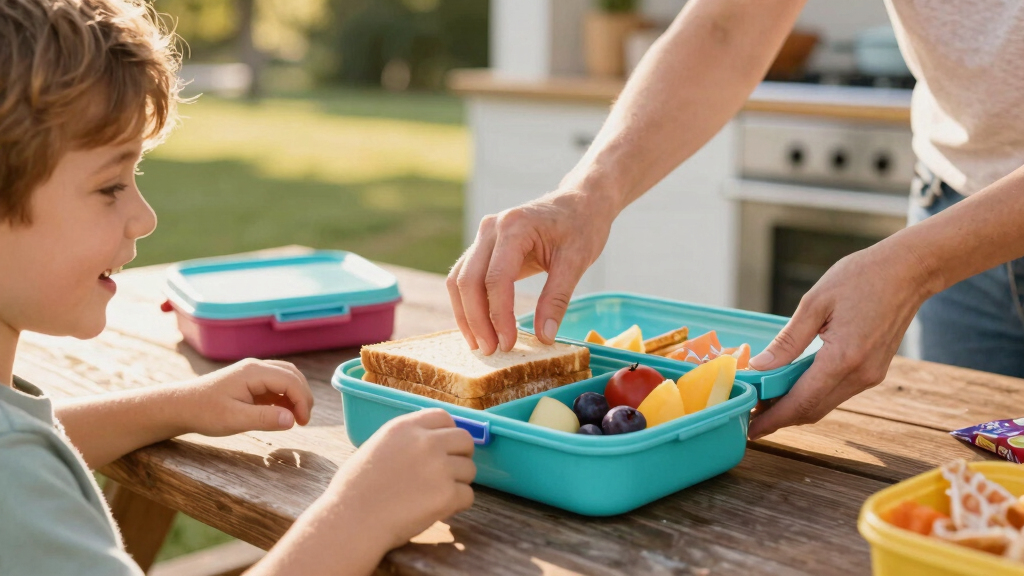
- Use fun, compartmentalized containers to keep food organized and prevent mixing.
- Keep it simple: prepare ingredients the night before to save time in the morning.
- Encourage your child to help pack, fostering independence and healthy eating habits.
For example, a parent might let their 8-year-old pick a superhero-themed box, then fill it with a turkey sandwich, cherry tomatoes, and a small apple. It turns into an exciting ritual rather than a chore.
Eco-Friendly Lunch Boxes: Why They Matter and Which Ones to Choose
Eco-friendly lunch boxes are more than just a trend—they are a vital step toward sustainable living. By choosing options made from biodegradable, recyclable, or non-toxic materials, you’re actively reducing the amount of plastic waste that ends up in landfills and oceans. These materials often require less energy to produce and can decompose naturally, minimizing environmental impact.
For example, a silicone container with a bamboo lid combines durability with natural aesthetics, offering a stylish yet eco-conscious alternative to single-use plastics. The durability of such materials means they can withstand daily use, reducing the need for frequent replacements and thereby decreasing waste generation. Additionally, many eco-friendly options are designed with fun shapes and vibrant colors, making them attractive to kids and encouraging reuse. The tradeoff is that some eco-friendly materials might come with a higher upfront cost, but their longevity and environmental benefits typically justify the investment. Emphasizing these aspects helps in making informed choices that align with your values and promote a healthier planet for future generations.
What Parents Should Know About Cleaning and Maintaining Lunch Boxes
Most lunch boxes are dishwasher safe, but always check the label. For materials like stainless steel or silicone, hand washing with mild soap keeps them in top shape. Avoid abrasive scrubbers that can scratch surfaces.
Dry thoroughly before packing away to prevent mold or odors. Regularly check for cracks or stains, especially in plastic boxes, and replace as needed. Keeping your child’s lunch box clean is key to healthy eating and longevity.
Beyond basic cleaning, it’s important to consider the materials’ specific care requirements. For instance, stainless steel can develop water spots or mineral deposits if not dried properly, which can be cleaned with vinegar or a gentle scrub. Silicone parts may require occasional deep cleaning to remove residue, especially if food has dried or stained. Regular maintenance not only prolongs the lifespan of the lunch box but also ensures that it remains a safe and hygienic container for your child’s meals. Establishing a weekly cleaning routine and inspecting for damage helps prevent issues before they become serious, ultimately supporting your child’s health and your peace of mind.
Frequently Asked Questions
What is the safest material for a kids’ lunch box?
Generally, BPA-free plastics, stainless steel, and silicone are safest. They are non-toxic and withstand daily use without leaching chemicals into food.
Are insulated lunch boxes worth it?
Absolutely. They keep food at the right temperature longer, especially for perishable items like dairy or cut fruit, making lunchtime safer and more enjoyable.
How do I clean and maintain a kids’ lunch box?
Most are dishwasher safe, but hand washing with mild soap works well for stainless steel and silicone. Regularly check for cracks or stains and dry thoroughly to prevent odors.
What features should I look for in a lunch box?
Durability, safety (non-toxic materials), ease of cleaning, good insulation, and compartments are key features to consider for a happy, healthy lunch.
Are eco-friendly lunch boxes more expensive?
They can be slightly pricier upfront, but their durability and environmental benefits often make them a better long-term investment.
Conclusion
Picking the right lunch box isn’t just about style — it’s about safety, function, and making mealtime fun. A well-chosen container can turn a mundane lunch into a highlight of your child’s day.
So, go for durable materials, consider insulation, and involve your kid in the process. After all, lunchtime should be something everyone looks forward to.
NFL season / tailgating Picks
team gear
As an affiliate, we earn on qualifying purchases.