TL;DR
Play games included with Prime
Start a Prime free trial and play with Amazon Luna on your devices.
Start playingAs an affiliate, we earn on qualifying purchases.
Tuscany has officially started its annual vaccination campaigns against RSV and influenza in October. The initiative aims to boost immunity ahead of the winter season, targeting high-risk groups. Details on vaccination coverage and specific plans are still emerging.
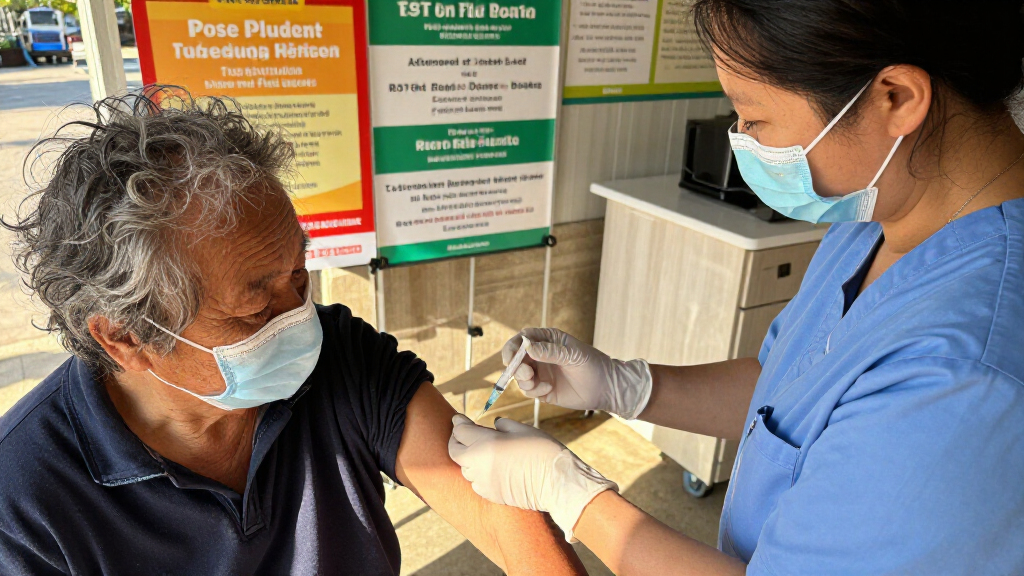
Tuscany has officially launched its annual vaccination campaigns against respiratory syncytial virus (RSV) and influenza in October 2023, aiming to increase immunity among vulnerable populations ahead of the winter months. The initiative is part of regional health authorities’ efforts to reduce hospitalizations and severe cases associated with these illnesses.
The region’s health department announced the start of the vaccination drives early this month, targeting primarily the elderly, young children, and individuals with chronic health conditions. Vaccination centers across Tuscany are now operational, offering free or subsidized vaccines to eligible residents.
According to regional health officials, the campaigns are aligned with national health guidelines and are part of a broader strategy to mitigate the impact of seasonal respiratory illnesses. The vaccines being administered include the annual flu shot and RSV vaccines, which have been recommended for high-risk groups due to increasing evidence of their effectiveness in preventing severe disease.
While specific coverage targets for this year’s campaign have not been publicly disclosed, health authorities emphasize the importance of vaccination as a key preventative measure. The campaigns are expected to continue through the end of November, with mobile units and outreach programs increasing access in rural and underserved areas.
Implications of Tuscany’s Vaccination Campaigns for Public Health
The start of Tuscany’s vaccination campaigns against RSV and influenza is a significant step in protecting vulnerable populations during the upcoming respiratory illness season. With winter approaching, health officials aim to reduce hospital admissions, especially among the elderly and those with underlying health conditions, who are most at risk of severe outcomes.
This initiative aligns with broader national and European efforts to enhance vaccination coverage and prevent healthcare system overloads. Increased vaccination rates could lead to fewer severe cases, less strain on hospitals, and overall better health outcomes during peak respiratory illness periods.
Experts highlight that the campaigns may also influence public attitudes towards vaccination, especially amid ongoing concerns about respiratory viruses and the importance of preventative health measures. The success of this effort could serve as a model for other regions preparing for seasonal illness surges.
As an affiliate, we earn on qualifying purchases.
Regional and National Context of Respiratory Vaccination Efforts
Italy has been emphasizing vaccination campaigns against influenza and RSV in recent years, especially following the COVID-19 pandemic, which heightened awareness of respiratory illnesses. Tuscany, as one of Italy’s most populous regions, has historically maintained high vaccination coverage, but seasonal campaigns are critical to maintaining protection levels.
The timing of the campaigns in October is consistent with Italy’s national guidelines, which recommend vaccination before the peak of respiratory illness season, typically from late autumn through winter. The focus on RSV is relatively recent, as vaccines for this virus have become more widely available and recommended for high-risk groups in Italy over the past year.
Prior to this season, Tuscany’s health authorities conducted several awareness campaigns to encourage vaccination, citing rising cases of RSV and flu in previous years as motivation. The current campaign is part of ongoing efforts to adapt to evolving epidemiological patterns and improve vaccine uptake.
Unconfirmed Details About Campaign Coverage and Public Response
It is not yet clear how many residents have been vaccinated since the campaign’s launch or what the final coverage rates will be this season. Specific data on vaccine uptake, especially in rural or underserved areas, remains unavailable.
Additionally, the regional health authorities have not released detailed plans regarding outreach strategies or how they will address vaccine hesitancy among certain populations. The effectiveness of the campaigns in reducing hospitalization rates will only be assessable after some weeks into the season, and current impact data is still pending.
Next Steps for Monitoring and Expanding Vaccination Efforts
Health officials plan to monitor vaccination rates closely over the coming weeks and will likely publish updates on coverage and impact by mid-November. They are also expected to intensify outreach efforts, including mobile clinics and public awareness campaigns, to boost vaccination among hesitant groups.
Further, regional authorities will evaluate the campaign’s effectiveness in reducing severe cases and hospitalizations, which may influence future vaccination strategies. Additional vaccine supplies and targeted outreach could be implemented if needed to meet coverage goals.
Key Questions
Who is eligible for free vaccination in Tuscany?
Primarily, the vaccines are available free of charge to the elderly, young children, and individuals with chronic health conditions, as these groups are at higher risk of severe illness.
Where can residents get vaccinated?
Vaccinations are available at regional health clinics, hospitals, and mobile units across Tuscany. Residents are encouraged to check local health authority websites for specific locations and schedules.
Are the vaccines safe and effective?
Yes, the flu vaccines are well-established and recommended annually. RSV vaccines have been shown to be effective in preventing severe disease among high-risk groups, according to health authorities and recent studies.
Will there be any public awareness campaigns to promote vaccination?
Yes, regional health authorities are conducting outreach efforts, including media campaigns and mobile clinics, to encourage vaccination and address hesitancy.
When will the vaccination campaign end?
The campaigns are expected to continue through late November, with possible extensions depending on epidemiological developments and vaccine supply.
Source: rss
Evergreen bestsellers Picks
bestsellers
As an affiliate, we earn on qualifying purchases.