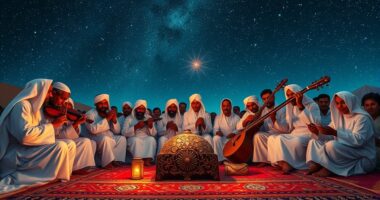
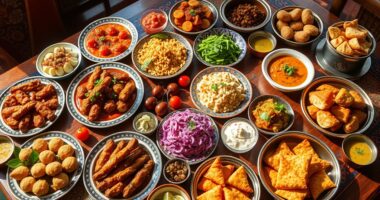
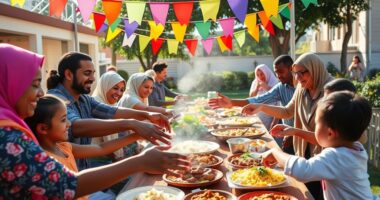
Halal hospitality in Central Asia beautifully combines age-old traditions with modern service. You’ll find a deep-rooted culture where sharing meals is a sign of respect and friendship. Dishes like plov, beshbarmak, and laghman reflect the region’s diverse culinary practices, all prepared with halal guidelines. It’s not just about food; it’s about warmth and genuine kindness. If you want to explore more about the customs that shape this unique hospitality, there’s much more to uncover.

Get kitchen staples and gadgets delivered free — and shop member deals
- Fast, free delivery on millions of items
- Access to Prime Big Deal Days deals on October 6–7
- Prime Video, Amazon Music and more included
Key Takeaways
- Central Asia’s halal hospitality intertwines traditional values with modern service standards, ensuring respectful and kind treatment of guests.
- Traditional meals, such as plov and beshbarmak, are central to hospitality, reflecting cultural diversity and culinary heritage across the region.
- Offering tea is a significant custom in Central Asian hospitality, symbolizing respect and fostering connections between hosts and guests.
- Regional variations in culinary practices highlight unique dishes, while maintaining core halal principles that uphold cultural and religious significance.
- Modern hospitality in Central Asia emphasizes genuine care and warmth, creating memorable experiences for visitors while preserving timeless traditions.

Have you ever wondered how Central Asia blends its rich cultural heritage with the principles of halal hospitality? This fascinating region, with its unique tapestry of cultural diversity, offers an incredible experience for travelers seeking both warmth and authenticity. Central Asia’s hospitality reflects centuries of traditions, where the sharing of food plays a pivotal role in welcoming guests.
Discover the enchanting blend of rich cultural heritage and halal hospitality that defines Central Asia’s warm and authentic welcome.
In this vibrant landscape, culinary traditions are deeply intertwined with the values of halal hospitality. From the moment you step into a home or a restaurant, the aroma of spiced dishes fills the air, inviting you to explore the flavors that define this region. You’ll find that traditional meals often feature lamb, beef, and chicken, all prepared according to halal guidelines. The preparation methods and ingredients vary by country and even from one family to another, showcasing the rich diversity of Central Asian cultures.
As you sit down for a meal, you can expect to be greeted with sincere warmth. Offering tea is a customary gesture that symbolizes respect and friendship. You might find yourself sipping on fragrant green tea while sampling plov, a beloved rice dish typically cooked with meat and vegetables. Each bite tells a story, reflecting the history of the region and the importance of hospitality in everyday life. Feeding raw food to pets can also be a part of hospitality, showcasing a commitment to health and nutrition.
Every culture in Central Asia adds its own twist to the shared culinary traditions. For instance, Uzbekistan is known for its lavishly prepared plov, while Kazakhstan boasts of its unique beshbarmak, a dish made of boiled meat and pasta. Kyrgyzstan, on the other hand, often serves hearty dishes like laghman, a delightful noodle soup. You’ll notice how each dish not only nourishes the body but also fosters a sense of connection among people.
Halal hospitality in Central Asia isn’t just about food; it’s about creating an atmosphere of respect and kindness. You’ll likely find that guests are treated like family, with hosts going above and beyond to ensure your comfort. Sharing stories over meals, exchanging laughter, and building relationships are all integral parts of this experience.
In the heart of Central Asia, where culinary traditions flourish alongside cultural diversity, you’ll discover a hospitality ethos that feels both timeless and invigorating. Embracing these values can lead to unforgettable memories, making your journey through this enchanting region truly special.
As an affiliate, we earn on qualifying purchases.
Frequently Asked Questions
What Are the Key Differences in Halal Standards Across Central Asian Countries?
The key differences in halal standards across Central Asian countries often stem from varying halal certification bodies and dietary regulations. You’ll notice that some nations have stricter guidelines, while others may allow more flexibility. For instance, Uzbekistan might follow different certification processes compared to Kazakhstan. This variability can affect what’s considered halal regarding food preparation, sourcing, and even restaurant practices, so it’s essential to research local standards when traveling or dining.
How Do Local Customs Influence Halal Hospitality Practices in the Region?
Local customs shape halal hospitality practices by integrating traditional dress and religious ceremonies into the experience. When you visit a region, you’ll notice how locals wear their vibrant attire during religious celebrations, creating an inviting atmosphere. These customs influence meal preparations and serving styles, ensuring they align with cultural norms. By embracing these traditions, you’ll gain a deeper understanding of the community’s values, making your hospitality experience more authentic and meaningful.
Are There Halal Certification Bodies Specific to Central Asia?
Absolutely, there are several Halal certification agencies in Central Asia that’ll make your head spin with their dedication! These agencies uphold regional halal standards, ensuring that everything from food to hospitality meets Islamic requirements. You’ll find them diligently inspecting and certifying products and services, so you can relax, knowing you’re in safe hands. If you’re ever in the region, you’ll be amazed by how seriously they take halal compliance!
How Is Halal Food Sourced and Prepared in Central Asian Hotels?
In Central Asian hotels, you’ll find that halal food is sourced from certified suppliers who guarantee all ingredients meet halal standards. The preparation process adheres to strict guidelines, maintaining cleanliness and preventing cross-contamination. You can expect dedicated halal kitchens where chefs follow these preparation process standards, ensuring every meal is compliant. This attention to detail guarantees that your dining experience respects both culinary traditions and modern halal practices.
What Role Do Cultural Festivals Play in Promoting Halal Tourism in Central Asia?
Cultural festivals in Central Asia are like vibrant tapestries, weaving together tradition and community. They play a significant role in promoting halal tourism by showcasing local customs and cuisines. As you explore, you’ll see traditional dress influence, highlighting the region’s rich heritage. These events attract tourists enthusiastic to experience authentic halal offerings while fostering a deeper understanding of the culture, making each festival a celebration of unity and diversity that you won’t want to miss.
Conclusion
As you wander through the vibrant tapestry of Central Asia’s halal hospitality, imagine a tree that intertwines age-old traditions with modern comforts. Each branch represents a unique experience, nurturing the roots of cultural heritage while reaching toward the future. By embracing these values, you not only savor the flavors of the past but also partake in a harmonious journey, where every visit becomes a proof to a shared respect for faith, culture, and the art of genuine hospitality.
NFL season / tailgating Picks
team gear
As an affiliate, we earn on qualifying purchases.