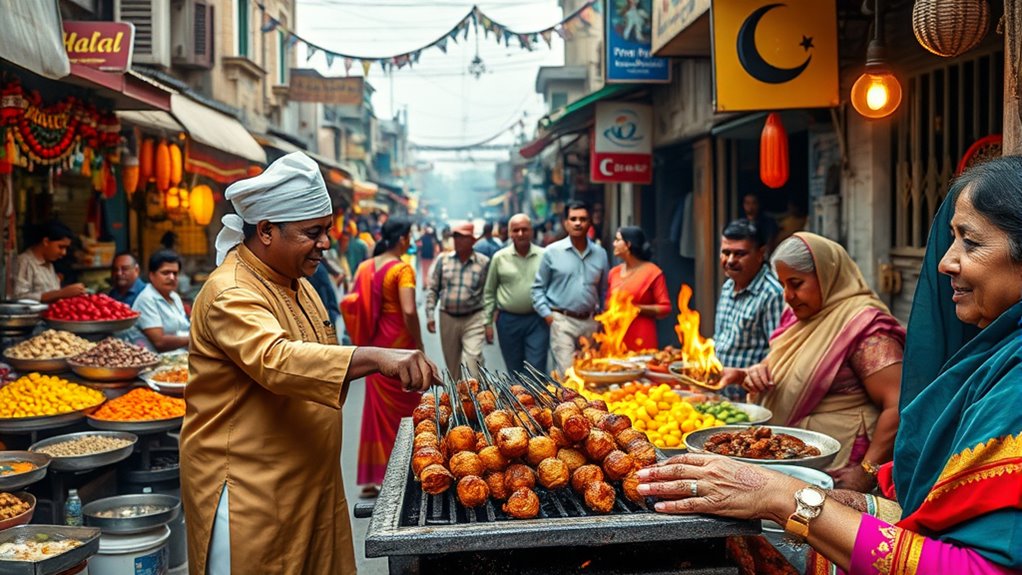

Yes, Halal food is a significant part of Indian cuisine. With over 200 million Muslims in India, Halal dishes like Biryani and Kebabs have become popular beyond their communities. The specific dietary laws and unique preparation methods enhance India's culinary diversity, promoting inclusivity among different cultures. You'll find Halal food in various settings, from street stalls to fine dining. If you explore further, you'll discover even more about its rich cultural significance and impact on Indian food traditions.

Get kitchen staples and gadgets delivered free with Prime
- Fast, free delivery on millions of items
- Prime Video, Amazon Music and more included
- Member-only deals all year
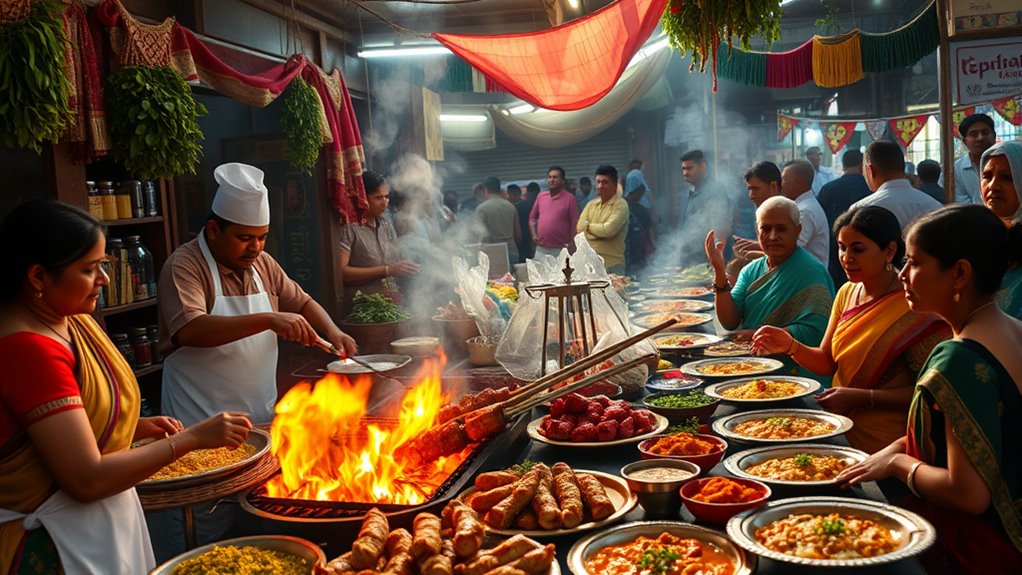
When you explore the culinary landscape of India, you'll discover that Halal food plays a vital role, thanks to the country's rich Islamic heritage. With over 200 million Muslims, India boasts one of the largest Muslim populations in the world, significantly influencing its diverse culinary scene. Halal food, deeply rooted in Islamic dietary laws derived from the Quran, dictates not just what can be eaten, but also how it's prepared. This adherence to specific slaughter methods for meat ensures that Muslim dietary practices are respected and celebrated.
Halal food reflects India's rich Islamic heritage, shaping a diverse and inclusive culinary landscape.
As you delve into Indian cuisine, you'll find an array of Halal options that highlight the rich flavors and cooking techniques integral to the culture. Dishes like Biryani, Kebabs, and Nihari aren't only beloved by Muslims but also enjoyed by many non-Muslims, showcasing the inclusivity of Halal food across cultural lines. This shared appreciation fosters an environment where culinary diversity thrives, making Halal food a cultural bridge that connects people from different backgrounds.
The growing demand for Halal food in India has led to the establishment of numerous certified Halal suppliers and restaurants. These establishments are vital in ensuring that the food served adheres to Islamic dietary laws, providing peace of mind for those who follow these guidelines. As awareness about Halal certification increases among non-Muslims, more people are likely to explore Halal options, further enriching their culinary experiences.
Moreover, Halal food plays a pivotal role in India's cultural fabric, promoting inclusivity and acceptance. It's not just about following dietary restrictions; it's about embracing the shared experience of enjoying food together. Whether you're dining at a bustling street food stall or a high-end restaurant, you're likely to find Halal choices that reflect the rich tapestry of India's culinary heritage.
In essence, Halal food is undeniably a part of Indian cuisine. It represents the intersection of cultural diversity and culinary traditions, making it an essential aspect of the country's food landscape.
Frequently Asked Questions
What Culture Is Halal Food?
Halal food is deeply rooted in Islamic culture and dietary laws, guiding what you can eat as a Muslim. These principles come from the Quran and emphasize purity and ethical sourcing of food.
You'll find that halal practices vary across different cultures, reflecting local flavors and culinary traditions. Enjoying halal food can connect you to your faith while experiencing a rich tapestry of flavors that celebrate both spirituality and community.
Is Indian Food Always Halal?
No, Indian food isn't always halal. While many dishes cater to halal dietary laws, traditional Indian cuisine includes ingredients like pork and beef, which aren't permissible.
You'll find a variety of options, especially in areas with large Muslim populations, where halal-certified meals are common.
Restaurants often offer both halal and non-halal choices, so you can select according to your preferences. Just check the menu or ask staff if you're unsure.
Is Halal Cultural or Religious?
Halal is both cultural and religious. You see, it's rooted in Islamic laws that guide what Muslims can eat, emphasizing purity and respect for life.
However, different communities adapt these practices, blending local culinary traditions into their halal food.
When you explore halal cuisine, you're not just tasting religious adherence; you're also experiencing cultural diversity.
This fusion highlights how food can connect people beyond just dietary restrictions, creating shared experiences across various backgrounds.
Which Cultural Group Only Consumes Halal Food?
Isn't it ironic that in a world filled with diverse diets, one specific group strictly adheres to halal food?
You'll find that the Muslim community exclusively consumes halal, as it aligns with their religious beliefs. This dietary practice isn't just about food; it represents purity and ethical treatment of animals.
Popular right now

Sony BRAVIA 5 85-Inch Mini LED 4K HDR Smart TV (K-85XR50)

TCL QM64L 85-Inch QD-Mini LED 4K Smart Fire TV

Vitamix 5200 Professional-Grade Blender, 64 oz. Container, Black
As an affiliate, we earn on qualifying purchases.
Conclusion
As you savor a plate of biryani, you might notice the vibrant spices melding perfectly with the tender meat, a delightful coincidence of flavors. While halal food is a universal concept, India's rich culinary tapestry weaves it into diverse regional dishes, each telling a story of tradition and culture. So, whether you're at a bustling street stall or a family gathering, you're not just enjoying a meal; you're experiencing a shared heritage that transcends borders and celebrates unity.