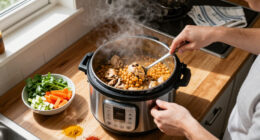
Halal refers to what's permissible under Islamic law, while haram is what's forbidden. To eat halal, ensure the food meets specific requirements, like proper animal slaughter and invoking God's name. Key prohibitions include pork, blood, and alcohol. Foods from People of the Book (Jews and Christians) are generally halal if prepared correctly. Consuming halal is vital for your spiritual and physical health, promoting an authentic connection to your faith. Learn about more aspects of halal and haram to enrich your understanding.

Get kitchen staples and gadgets delivered free with Prime
- Fast, free delivery on millions of items
- Prime Video, Amazon Music and more included
- Member-only deals all year

Understanding the concepts of Halal and Haram is crucial for anyone looking to navigate Islamic dietary laws. Halal refers to what's permissible under shariah law, while Haram signifies actions that are strictly prohibited, with clear guidelines laid out in the Quran. These distinctions are essential for maintaining a lifestyle that aligns with Islamic teachings.
When it comes to dietary laws, specific prohibitions are in place. For instance, you can't consume pork, blood, improperly slaughtered animals, or intoxicants like alcohol. These prohibitions are outlined in Surah Maidah (5:3) and Surah Al-Baqarah (2:173). If you want your food to be considered halal, it must come from animals that are healthy and have been slaughtered according to Islamic jurisprudence. This means that a practicing Muslim must perform the slaughter, invoking God's name at the time.
It's also important that all blood is drained from the carcass, ensuring the animal's life is treated with respect.
You might be surprised to learn that food sourced from the People of the Book—Jews and Christians—is generally considered halal, as long as it adheres to specific slaughter practices. This opens up a range of options for you if you're dining with friends or exploring various cuisines. However, vegetarian foods from non-People of the Book are permissible unless they've been blessed or prayed over, which could render them haram.
The consumption of halal food is more than a dietary choice; it's integral to maintaining both spiritual and physical well-being. Eating food that's lawful helps you feel connected to your faith and promotes a lifestyle that emphasizes cleanliness and proper preparation methods. Furthermore, expressing love through curated messages & wishes can enhance the joy of sharing meals with loved ones.
It's not just about following rules; it's about fostering a respectful relationship with the food you eat and the life it comes from.
Ultimately, understanding these concepts helps you make informed choices that reflect your beliefs. By choosing halal, you're not only adhering to dietary laws but also honoring the principles of Islamic teachings.
Frequently Asked Questions
What Is the Basic of Halal Haram?
The basics of halal and haram revolve around what's permissible and what's forbidden in Islamic law.
You'll find that halal includes actions and foods allowed by Allah, while haram covers those strictly prohibited.
Most foods are halal unless specified otherwise, but you should be wary of items like pork or improperly slaughtered animals.
Understanding these concepts helps you navigate dietary choices, especially in Western societies, ensuring your decisions align with your beliefs.
What Are the 5 Levels of Haram and Halal?
You might think everything's black and white, but the world of halal and haram is a colorful spectrum!
There are five levels: Al-Wajib (mandatory actions), Al-Haram (strictly prohibited), Al-Makruh (disapproved actions), Al-Halal (permitted), and Al-Mubah (neutral choices).
Each category helps you navigate daily decisions.
What Are the Principles of Halal and Haram?
The principles of halal and haram guide your choices in food and actions based on Islamic law.
You'll find that halal refers to what's permissible, while haram indicates what's forbidden.
When considering dietary practices, avoid consuming carrion, blood, pork, and improperly slaughtered animals.
Additionally, ensure that your food preparation keeps halal items separate from haram to maintain purity.
This adherence not only aligns with religious teachings but also promotes health and well-being in your life.
What Is Haram or Halal Guide?
When you're looking for a halal or haram guide, it's essential to understand key dietary rules.
Halal foods are those that are permissible, while haram foods are strictly forbidden. You should avoid pork, blood, and improperly slaughtered animals.
Generally, seafood is considered halal. To ensure your food aligns with Islamic law, check if it's prepared according to halal standards, especially when dining out or buying packaged products.
This helps maintain your dietary integrity.
Popular right now

Vitamix 5200 Professional-Grade Blender, 64 oz. Container, Black

Shark PowerDetect Corded Stick Vacuum with HEPA Filtration, Purple (HZ4001AMZ)

De'Longhi Dinamica Plus Fully Automatic Espresso Machine
As an affiliate, we earn on qualifying purchases.
Conclusion
In a world where choices shape our lives, think of halal and haram as a compass guiding your journey. Just like a seasoned traveler knows which paths lead to safety, understanding these concepts helps you navigate daily decisions. For example, consider how a chef selects fresh, ethical ingredients—each choice transforms a meal into a nourishing experience. By embracing halal, you're not just following rules; you're crafting a life filled with purpose and mindfulness, making every moment count.