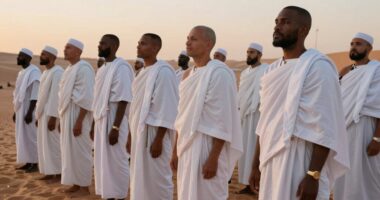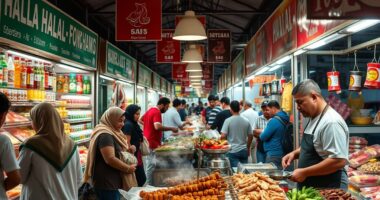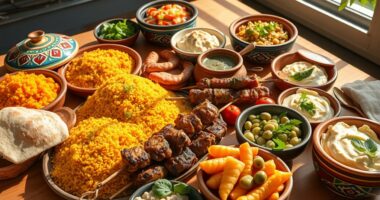
Your understanding of halal varies across madhhabs because each interprets Islamic law differently. These differences stem from how they prioritize sources like the Quran, Hadith, and reasoning, and are shaped by cultural contexts and regional practices. For example, some schools emphasize strict adherence to Hadith, while others allow more flexibility. These variations reflect the richness and adaptability of Islamic law. Exploring further can help you see how diverse interpretations guarantee halal practices suit different communities.

Get kitchen staples and gadgets delivered free — and shop member deals
- Fast, free delivery on millions of items
- Access to Prime Big Deal Days deals on October 6–7
- Prime Video, Amazon Music and more included
Key Takeaways
- Different madhhabs interpret Quran and Hadith uniquely, leading to varied halal and haram rulings.
- Emphasis on reasoning, analogy, or strict Hadith adherence influences each madhhab’s dietary standards.
- Cultural contexts and regional practices shape how madhhabs implement halal guidelines locally.
- Variations reflect the flexibility and diversity within Islamic law while maintaining core principles.
- Recognizing these differences promotes understanding, tolerance, and respect among Muslims with diverse practices.
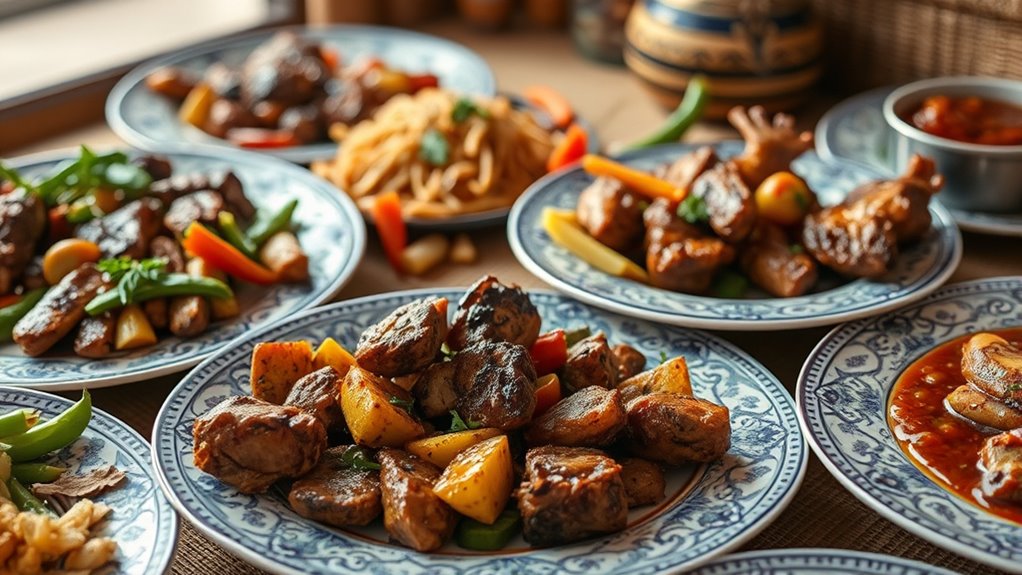
Understanding what qualifies as halal varies across different madhhabs, or Islamic legal schools. This means that what one school considers permissible might differ from another, even though they all follow the core principles of Islam. These differences stem from how each madhhab interprets the Quran, Hadith, and other sources of Islamic law. As a Muslim exploring halal practices, you might notice these variations in everyday life, from dietary rules to ritual practices. Recognizing why these differences exist helps you appreciate the diversity within the Islamic tradition and encourages a more nuanced understanding of halal.
Halal standards differ across madhhabs, reflecting diverse interpretations within Islamic law and tradition.
Each madhhab develops its rulings through a combination of primary texts and the scholarly methods they prioritize. For instance, some schools, like Hanafi, rely heavily on reasoning and analogy, allowing for more flexible interpretations. Others, such as the Hanbali, emphasize strict adherence to the Hadith, resulting in more conservative rulings. Shafi’i and Maliki schools balance these approaches differently, leading to subtle distinctions in what’s deemed halal or haram. These interpretative approaches influence how each school views specific issues, including the slaughtering process, permissible ingredients, and even the handling of certain foods. Because of this, a food item considered halal in one madhhab might require additional scrutiny in another.
Cultural context also plays a role in shaping these interpretations. Over centuries, different regions adopted practices that aligned with their local customs and available resources, influencing how each madhhab evolved. For example, certain ingredients or preparation methods accepted in one culture became standard, while others were viewed with suspicion in different areas. These cultural overlays are woven into the legal frameworks and contribute to the diversity of halal standards across the Muslim world.
It’s important to recognize that these differences don’t undermine the core Islamic principles but reflect the richness and adaptability of Islamic law. As a Muslim, you might find that some rulings align perfectly with your understanding, while others prompt you to seek guidance from scholars or trusted authorities within your tradition. The key is to approach these variations with respect and an open mind, understanding that the diversity within Islamic law aims to serve the Islamic community’s needs in different contexts.
Furthermore, understanding that interpretative approaches can vary helps foster tolerance and respect among Muslims practicing different traditions. Ultimately, the variations across madhhabs highlight that Islam allows for diverse interpretations, provided they remain rooted in the Quran and authentic Hadith. This flexibility gives you room to practice your faith in a way that resonates with your cultural background and personal convictions, while still staying true to the core principles of halal. Recognizing these differences enriches your understanding of Islamic law and encourages a respectful appreciation of the tradition’s breadth and depth.
As an affiliate, we earn on qualifying purchases.
Frequently Asked Questions
How Do Different Madhhabs Interpret the Concept of Halal Slaughter?
You’ll find that each madhhab interprets halal slaughter differently based on their sources and traditions. Some emphasize the precise wording and conditions in texts, while others focus on broader principles. For example, Hanafi scholars prioritize the intention and method, while Shafi’i scholars stress the proper invocation of Allah’s name. These differences lead to varied practices, but all aim to guarantee the meat remains halal according to their understanding.
Are There Any Commonalities Among Madhhabs Regarding Halal Dietary Laws?
Yes, you’ll find commonalities among madhhabs regarding halal dietary laws. They all agree that animals must be slaughtered with a swift cut to the throat, invoking God’s name, and guaranteeing the animal’s well-being. Additionally, prohibitions like pork and alcohol are universally upheld. While some details vary, these core principles ensure that followers across different madhhabs adhere to the fundamental requirements of halal, emphasizing compassion and obedience to divine guidance.
How Do Cultural Practices Influence Halal Interpretations Across Madhhabs?
Cultural practices considerably shape how you interpret halal across madhhabs. You might follow local customs or traditional methods that influence your understanding of what’s permissible, even if they differ from scholarly rulings. These cultural nuances affect your food choices and how you observe halal laws, blending religious principles with community practices. As a result, halal interpretations can vary widely depending on your cultural background and regional customs.
What Role Does Local Tradition Play in Shaping Halal Standards?
Local tradition heavily influences your understanding of halal standards because community practices often shape what’s considered acceptable. You might see variations in how halal is observed based on regional customs, even if they align with broader religious principles. These traditions can modify interpretations, making certain practices more familiar or trusted within your community. As a result, local customs become integral in defining and practicing halal, reflecting cultural identity alongside religious guidelines.
How Do Differences in Madhhab Interpretations Affect Halal Certification Processes?
You’ll find that differences in madhhab interpretations considerably influence halal certification processes. These variations mean certifiers may have diverse standards for ingredients, slaughter methods, and processing. As a result, a product considered halal in one region might not meet another’s criteria. You should stay aware of these differences, especially if you travel or import products, to guarantee your food aligns with your specific religious requirements and local certifying authorities.
Conclusion
As you navigate the rich tapestry of Islamic jurisprudence, remember that each madhhab offers its own brushstroke in the grand masterpiece of halal. The differing interpretations are like streams converging into a mighty river, shaping a diverse but unified landscape of faith. Embrace these variations as the colors on your spiritual palette, allowing them to deepen your understanding and appreciation. Ultimately, it’s your sincere intent that guides you through this vibrant mosaic of divine guidance.
Halloween Picks
halloween
As an affiliate, we earn on qualifying purchases.