🔍 Read the full analysis: Handmade Orecchiette: The Puglian Shape You Can Learn In An Afternoon on Mad Tasting

Get kitchen staples and gadgets delivered free with Prime
- Fast, free delivery on millions of items
- Prime Video, Amazon Music and more included
- Member-only deals all year
TL;DR
A Mad Tasting guide explains how home cooks can make handmade orecchiette in an afternoon using durum wheat semolina, water and a simple knife-and-fingertip shaping method. The guide says beginners can produce a cookable batch on their first try, though consistent size and shape take practice.
Mad Tasting has published a guide to making handmade orecchiette at home, describing how cooks can turn durum wheat semolina and water into a batch of the Puglian pasta in an afternoon. The method uses a knife, a work surface and a fingertip rather than specialist equipment, while the guide cautions that consistent shapes require practice.
The dough is made from semolina and water, with salt optional; the guide describes traditional Puglian dough as generally egg-free. Water should be added gradually because semolina absorbs liquid at different rates. The target is a firm, cohesive dough that does not cling to the hands or crack at the edges. After kneading, it rests, covered, for about 20 to 30 minutes so the flour can hydrate and the dough becomes easier to shape.
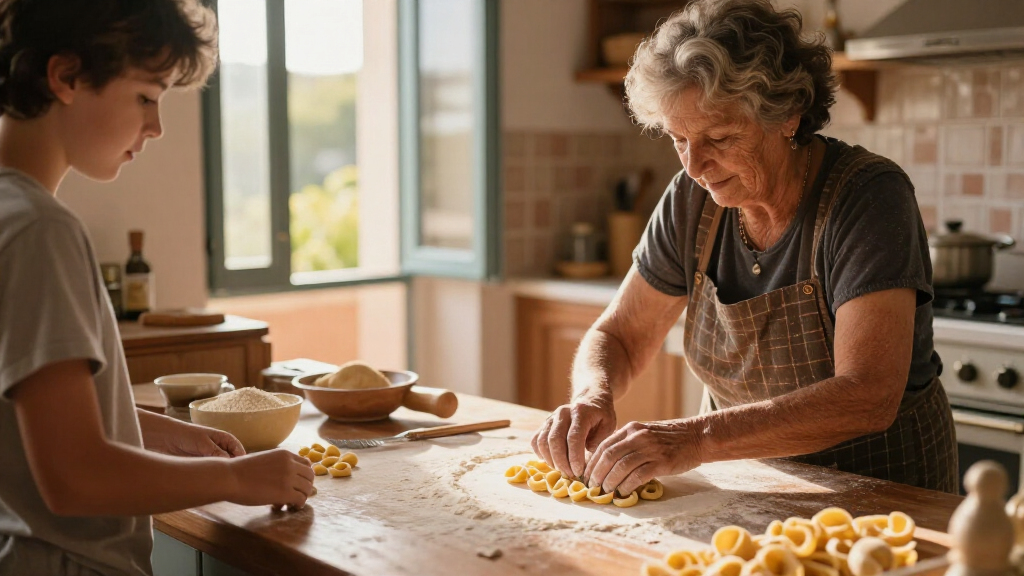
To form each piece, roll a portion of dough into a rope, cut it into small nuggets, then drag each nugget across the work surface with a knife. Turn the curled piece over a fingertip to make a shallow hollow. The guide recommends keeping unused dough covered, using semolina sparingly for dusting, and shaping a few pieces slowly before working through the batch. Similar-sized pieces are more likely to cook at the same rate.
The intended result has a thin center, a somewhat thicker rim and a rough outer surface. Those features create the familiar little-ear form and help the pasta hold sauce. The guide says a first batch can be suitable for cooking even if the pieces vary in size; it presents skill and consistency as gains that come through repetition, not prerequisites for getting started.
MAD TASTING · HANDMADE PASTA FIELD GUIDE
Handmade Orecchiette: The Puglian Shape You Can Learn In An Afternoon
Durum wheat semolina, water, a knife and your fingertip are enough to begin. Your first batch can be ready to cook; even, consistent shapes come with practice.
Orecchiette means “little ears.”
Mad Tasting guide01 / THE METHOD
From dough to little ear
Keep the dough firm and cohesive. Add water gradually because semolina grinds absorb liquid differently. The feel of the dough guides the next adjustment.
Mix
Combine durum wheat semolina and water. Add a pinch of salt if you like; traditional Puglian dough is generally egg-free.
Knead & rest
Knead to a firm, cohesive dough. Cover and rest 20–30 minutes so the flour hydrates.
Roll & cut
Roll a portion into a rope, then cut it into small nuggets of similar size.
Drag
Pull each nugget across the work surface with a table knife to curl and texture it.
Turn
Turn the curled piece over a fingertip to form its shallow hollow. Keep the remaining dough covered.
02 / THE SHAPE
Made to catch sauce
The shallow cup and rough exterior do more than create the familiar “little ear.” They give olive oil, greens and small pieces of sauce places to settle and cling.
Practice in small batches
Shape a few pieces slowly before working through the batch. Similar-sized pasta is more likely to cook at the same rate. Uneven pieces are normal on a first try.
03 / ROOTS & REASONS
A Puglian shape for the home kitchen
Orecchiette are associated with Puglia, particularly around Bari. The hand-shaped method uses an ordinary knife and fingertip; a wooden board is traditional, while a clean counter is suitable too.
Little ears
The round form and shallow dimple give orecchiette their name and familiar profile.
Knife-dragged surface
The knife curls and textures each piece; a fingertip turns it into a shallow cup.
Simple tools
A ridged pasta board is optional. Start with a clean work surface and a table knife.
“Your first handmade orecchiette may look more like tiny hats than little ears. That is a good start.”
Mad Tasting guide04 / WHAT THE GUIDE LEAVES OPEN
Use the shape as your starting point
The source gives a broad afternoon timeframe, but no total preparation time, ingredient quantities, finished yield, cooking time or tested serving recipe. It also does not specify a single dough ratio for every semolina grind.
Texture cues, resting guidance, shaping steps and gradual adjustments for sticky or tearing dough.
Make a small batch, rest it, and shape a few pieces first. Pair them with a sauce suited to the hollow, such as olive oil and greens. Use a tested recipe for cooking and storage instructions.
A first batch can be cookable even when the pieces vary. Repetition brings more even sizing and a familiar shape.
QUICK QUESTIONS
Before you shape the first piece
A Traditional Shape for Home Cooks
The guide offers readers a way to make a regional pasta shape with basic ingredients and ordinary kitchen tools. That lowers the equipment barrier: a clean counter or board and a table knife can be enough to try the technique, while a ridged pasta board is described as optional.
The method also explains why the shape is formed as it is. The shallow hollow can catch olive oil, greens and small pieces of sauce, while the textured outside gives a sauce more surface to cling to. For a beginner, the practical value is not only a recipe but a way to diagnose the dough: sticking, cracking and tearing can point to different issues with moisture, resting or pressure.
As an affiliate, we earn on qualifying purchases.
Orecchiette and Their Puglian Roots
Orecchiette translates as “little ears,” a reference to the pasta’s round form and shallow dimple. The source places the tradition in Puglia, particularly around Bari, where cooks shape the pieces using a knife and fingertip. The guide links the pasta’s distinctive shape to its ability to hold sauce, rather than treating the hollow as decoration alone.
The method described is a home-kitchen adaptation of that hand-shaping practice. It does not require a machine: the knife drag curls and textures the dough, and the fingertip turns it into a shallow cup. A wooden board is presented as traditional, but a clean counter is also suitable, according to the guide.
““Orecchiette means ‘little ears.’””
— Mad Tasting guide
Timing and Recipe Details Missing
The source material gives a broad afternoon timeframe but does not specify a total preparation time, the quantities of semolina and water, or a finished yield. It also does not provide a cooking time or a tested serving recipe, so readers will need to rely on the texture of the pasta and the instructions for any sauce they choose.
The source describes common shaping adjustments, but it does not establish one precise dough ratio for every semolina grind. It notes that flour absorbs water differently, meaning the amount needed may vary. No publication date is supplied, and the material does not identify a specific cook or provide independently attributed historical claims beyond its description of the regional practice.
Try the Motion Before Scaling Up
The next step for readers is to make a small amount of dough, let it rest, and shape a few pieces before committing to the full batch. If dough tears while being rolled, the guide suggests covering it and resting it for another 10 minutes. If it smears under the knife, a small amount of semolina or light dusting may help; adjustments should be gradual.
Once shaped, the pasta can be paired with a sauce suited to its hollow, such as olive oil and greens, as the guide suggests. The source does not give a specific cooking or storage schedule, so readers should follow a tested pasta recipe for those steps rather than infer timings from the shaping instructions.
Key Questions
What ingredients are used for handmade orecchiette?
The guide calls for durum wheat semolina and water, with a pinch of salt optional. It describes traditional Puglian dough as generally made without egg.
Do I need a special pasta board?
No. The guide says a clean counter or wooden board can work. A ridged board is optional; a knife and fingertip create the hollow and textured shape.
How long should the dough rest?
Rest the covered dough for about 20 to 30 minutes after kneading. If it tears as you roll it, the guide suggests covering it and allowing another 10 minutes.
What should the shaped pasta look like?
Aim for a thin center, a slightly thicker rim and a shallow hollow. The guide says uneven pieces are normal for a first batch and that consistent shaping develops with practice.
How should I fix sticky or cracking dough?
If dough smears under the knife, dust lightly or work in a small amount of semolina. If it cracks or tears, cover it and let it rest before trying again. Add water or semolina gradually, since flour grind affects how much liquid the dough needs.
Source: Mad Tasting
NFL season / tailgating Picks
team gear
As an affiliate, we earn on qualifying purchases.