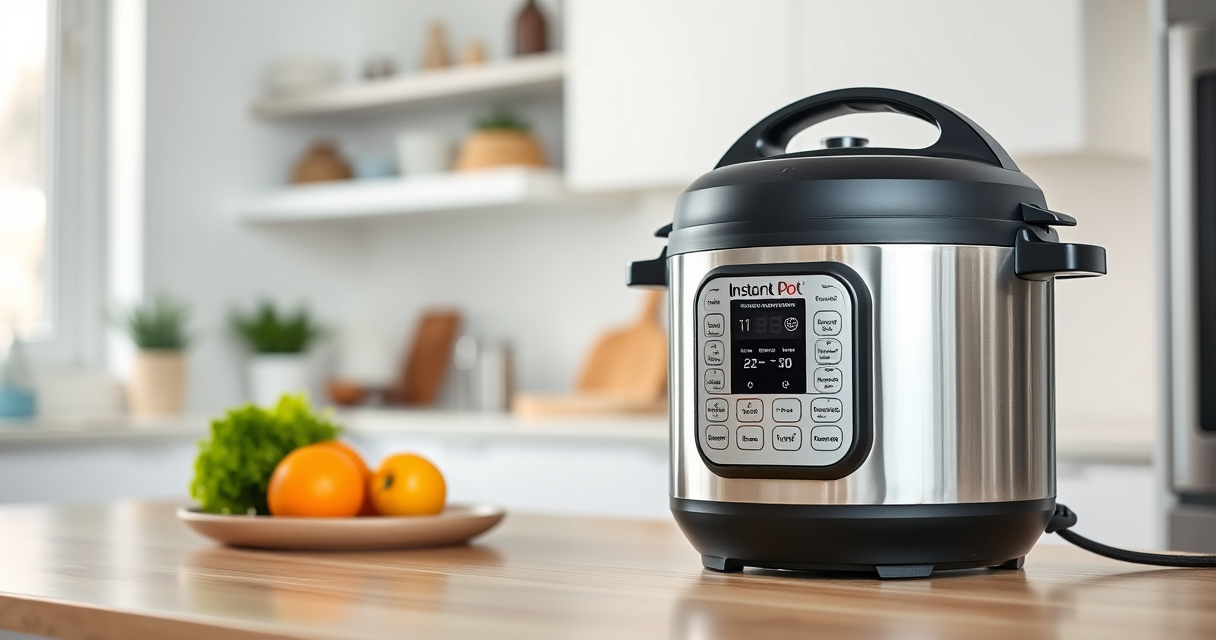

The Instant Pot 4QT RIO Mini 7-in-1 Multi-Cooker is a versatile kitchen appliance that combines multiple cooking functions into one compact device. While it offers ease and speed in meal prep, occasional issues can arise that may disrupt your cooking routine. Proper troubleshooting and regular maintenance are key to ensuring your Instant Pot continues to operate safely and efficiently. In this guide, we will walk you through common problems, step-by-step solutions, and essential care tips to keep your appliance in top condition.

Get kitchen staples and gadgets delivered free — and shop member deals
- Fast, free delivery on millions of items
- Access to Prime Big Deal Days deals on October 6–7
- Prime Video, Amazon Music and more included
Whether you’re experiencing sealing issues, pressure problems, or just need to clean and care for your device, this comprehensive maintenance guide is designed to be practical, safe, and easy to follow.
Key Takeaways
| Regular Cleaning Is Essential | Keep your sealing rings, lid, and inner pot clean to prevent odors and ensure proper sealing. |
| Check the Sealing Ring and Valve | Faulty or misaligned sealing rings and clogged valves are common causes of pressure issues. |
| Routine Maintenance Extends Lifespan | Regularly inspect and replace worn parts like the sealing ring for optimal safety and performance. |
| Troubleshoot Safely | Always unplug before cleaning or inspecting internal components to avoid electrical hazards. |
| Use the Right Accessories | Enhance functionality with accessories like a steamer basket, but ensure they are compatible and clean. |
Initial Troubleshooting Steps
- Unplug the Instant Pot and allow it to cool completely before inspecting any parts.
- Check the sealing ring for cracks, warping, or debris. Replace if damaged.
- Ensure the lid is properly aligned and securely locked in place.
- Inspect the pressure release valve and steam release handle for blockages or buildup.
- Clean the inner pot, lid gasket, and sealing ring with warm, soapy water. Rinse thoroughly and dry completely.
Addressing Pressure and Sealing Problems
- If the Instant Pot isn’t sealing correctly, remove the sealing ring and check for damage. Replace if necessary.
- Make sure the sealing ring is properly seated in the lid groove. It should be snug and even.
- Confirm that the lid is locked correctly; the anti-spin design ensures stability when properly closed.
- If pressure isn’t building, verify that the steam valve is clean and not obstructed. Use a toothpick or small brush to clear any debris.
- Check that the float valve moves freely and isn’t stuck. Clean or replace if needed.
Cleaning and Maintenance Tips
- Clean the sealing ring regularly, especially after cooking strongly flavored dishes, to prevent odors.
- Remove and wash the lid, sealing ring, and inner pot weekly for hygiene and performance.
- Inspect the sealing ring for signs of wear, such as cracks or hardening, and replace every 12-18 months for optimal sealing.
- Use a soft cloth or sponge to clean the exterior and control panel, avoiding abrasive materials.
- Check the steam release valve and float valve for buildup and clean as needed.
Replacing Worn or Damaged Parts
- Order genuine replacement parts such as the Instant Pot sealing ring or silicone gasket for your model.
- To replace the sealing ring, remove the old one from the lid, clean the groove, and insert the new ring evenly.
- For the silicone sealing ring, ensure it fits snugly and is free of tears or deformation.
- Replace the sealing ring if it retains strong odors after cleaning or shows signs of damage.
- Always follow the manufacturer’s instructions for replacing parts to maintain safety standards.
Safety Tips and Precautions
- Always unplug the Instant Pot before cleaning or replacing parts to prevent electrical shock.
- Do not overfill the inner pot beyond the maximum fill line to avoid pressure issues.
- Ensure the lid is properly locked and the sealing ring is correctly positioned before operating.
- Use only compatible accessories and replacement parts recommended by the manufacturer.
- If you notice persistent problems such as leaks or failure to pressurize, consult a professional or contact customer support.
The Products in This Guide

Instant Pot 4QT RIO Mini 7-in-1 Multi-Cooker
- ✔ Capacity: 4 Quarts
- ✔ Functions: 7-in-1
- ✔ Material: Black with Rosewater finish

AOZITA Steamer Basket
- ✔ Material: Stainless Steel
- ✔ Capacity: 6 & 8 Quarts
- ✔ Design: 2-Tier Stackable
Instant Pot 4QT RIO Mini 7-in-1 Multi-Cooker
The Instant Pot 4QT RIO Mini 7-in-1 Multi-Cooker offers a compact yet powerful cooking experience, combining pressure cooking, slow cooking, sautéing, steaming, rice making, yogurt preparation, and warming functions. Its anti-spin design and modern Rosewater finish make it both functional and stylish for small kitchens.
Pros:
- Multiple cooking functions in one device
- Compact size fits small spaces
- Easy to clean and maintain
- User-friendly progress indicator
Cons:
- Limited capacity for larger families
- Sealing ring may need replacement over time
- Learning curve for new users
Best for: Small families, singles, students needing versatile cooking solutions
Not ideal for: Larger families or those needing bigger capacity
Bottom line: A versatile, space-saving cooker perfect for small kitchens and quick meals.
AOZITA Steamer Basket
The AOZITA Steamer Basket is a great accessory to maximize your Instant Pot’s capabilities. Its two-tier design allows you to cook multiple items simultaneously, saving time and effort. Made of durable stainless steel with a silicone handle, it’s easy to clean and fits 6-quart models comfortably.
Pros:
- Dual-layer design for efficiency
- Stainless steel durable construction
- Compatible with 6 and 8 quart models
- Easy to clean and handle
Cons:
- Adds extra cleaning step
- Requires space inside the pot
- Must be compatible with your model
Best for: Cooking vegetables, seafood, or eggs simultaneously
Not ideal for: If you have limited space or only cook single items
Bottom line: A versatile accessory that doubles your cooking options with ease.
Frequently Asked Questions
How often should I replace the sealing ring?
It’s recommended to replace the sealing ring every 12-18 months or sooner if you notice persistent odors, cracks, or deformation.
Why isn’t my Instant Pot sealing properly?
Check that the sealing ring is correctly seated and undamaged, the lid is properly aligned and locked, and the steam release valve is clean and unobstructed.
How do I clean the pressure release valve?
Remove the valve and rinse it under warm water. Use a small brush or toothpick to clear any debris or buildup. Reassemble carefully.
Can I use my Instant Pot without the sealing ring?
No, the sealing ring is essential for creating the pressure needed for cooking and safety. Do not operate the device without it.
What should I do if my Instant Pot is leaking?
Ensure the sealing ring is properly installed, undamaged, and fits snugly. Check the lid locking mechanism and pressure release valve for blockages or damage.
Keep Your Instant Pot Cooking Like New
Regular troubleshooting and maintenance are essential to keep your Instant Pot functioning safely and efficiently. By following this guide, you can quickly resolve common issues, replace worn parts, and ensure your appliance remains a reliable kitchen companion for years to come. Remember, safety first—always unplug before cleaning or inspecting internal components.
With proper care, your Instant Pot will continue to deliver delicious meals faster and easier than ever, making it a valuable addition to your culinary routine.
Affiliate disclosure: As an Amazon Associate we earn from qualifying purchases. Prices and availability are accurate as of the time of publishing.
Fall Picks
fall essentials
As an affiliate, we earn on qualifying purchases.