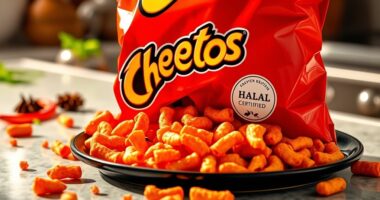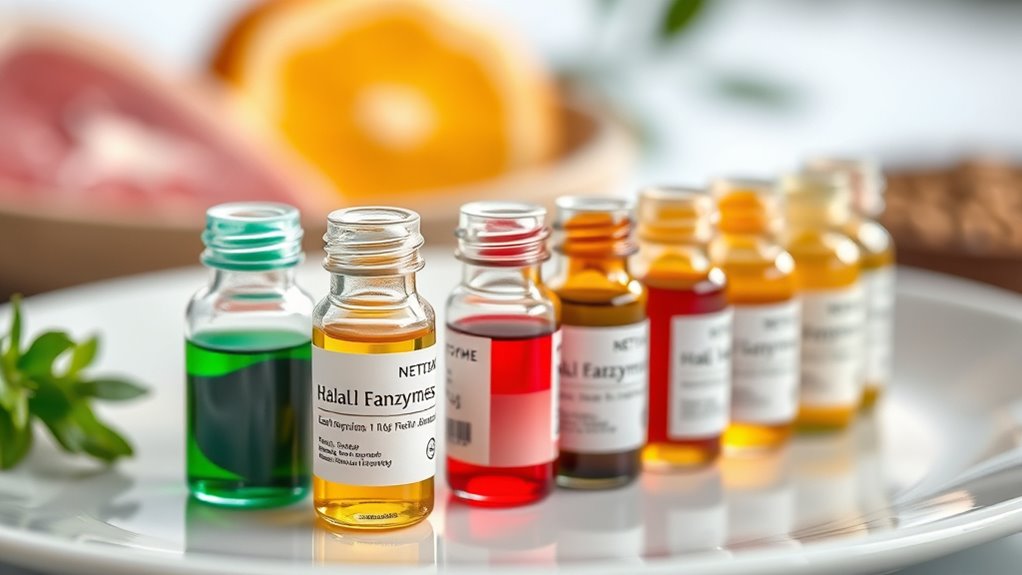

When it comes to halal enzymes and food additives, it’s essential to understand their sources and certifications. Enzymes from plants and microorganisms are generally accepted, while animal-derived ones need verification of halal practices. Not all additives meet halal standards, so look for proper certification on labels. By knowing these details, you can confidently choose compliant food. There’s even more you can discover about maintaining halal dietary choices that are right for you.

Get kitchen staples and gadgets delivered free with Prime
- Fast, free delivery on millions of items
- Prime Video, Amazon Music and more included
- Member-only deals all year
Key Takeaways
- Enzymes in halal food can come from plants, animals, or microorganisms; plant and microbial sources are usually acceptable.
- Animal-derived enzymes must be verified for halal compliance based on slaughtering practices to avoid dietary violations.
- Food additives require certification from recognized halal bodies to ensure they meet halal dietary standards and are safe for consumption.
- Familiarity with common enzymes and additives helps consumers navigate ingredient lists and avoid non-halal components effectively.
- Direct communication with manufacturers can clarify enzyme sourcing and certification processes, empowering consumers to make informed choices.
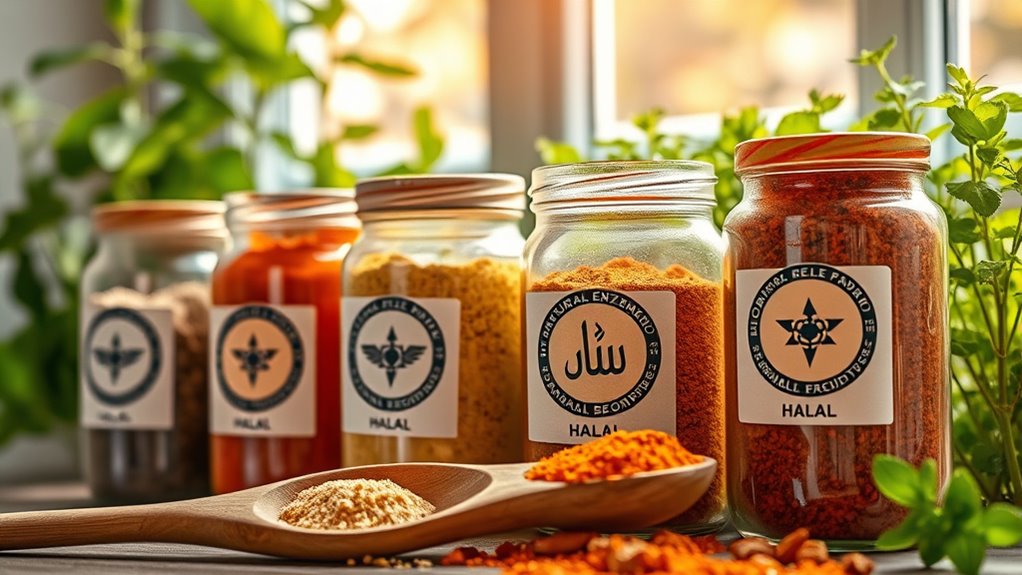
As you explore the world of food production, you might wonder about the role of enzymes and additives in making your favorite products. These substances play essential roles in enhancing texture, flavor, and preservation. However, if you’re seeking halal options, it’s important to understand enzyme sourcing and additive certification to ensure what you consume aligns with your dietary restrictions.
Understanding enzymes and additives is crucial for ensuring your food choices meet halal dietary standards.
When it comes to enzyme sourcing, you’ll find that enzymes can be derived from various sources, including plants, animals, and microorganisms. For halal products, it’s necessary to verify that the enzymes are sourced from halal-compliant sources. This means enzymes derived from plants or microorganisms are generally more accepted, as they avoid any potential issues related to animal by-products. If a manufacturer uses animal-derived enzymes, the animals must be slaughtered according to halal guidelines. Without proper verification, you risk consuming products that don’t meet your standards.
Additive certification is another key aspect to consider. Food additives can serve numerous purposes, from improving flavor to extending shelf life. However, not all additives are created equal, and some may not meet halal requirements. Manufacturers must have their additives certified by recognized halal certifying bodies, ensuring that every ingredient in the product adheres to halal principles. When shopping for food products, look for clear labeling that indicates halal certification to make your choices easier.
Understanding the importance of these certifications can empower you as a consumer. You’ll be able to make informed decisions about the foods you eat, ensuring they align with your beliefs. Additionally, it’s a good idea to familiarize yourself with common enzymes and additives that are often used in various products. This knowledge can help you navigate ingredient lists more effectively and identify which products are suitable for your diet. For instance, creamy sauces like vodka sauce often contain additives that may require halal certification.
Moreover, as you become more aware of the complexities of food production, you’ll likely appreciate the efforts companies make to ensure their products are both tasty and compliant with halal standards. Engaging with manufacturers directly can also provide clarity about their sourcing and certification processes, allowing you to feel more confident about the choices you make.
As an affiliate, we earn on qualifying purchases.
Frequently Asked Questions
Are Halal Enzymes Suitable for Vegetarians and Vegans?
Yes, halal enzymes can be suitable for vegetarians and vegans, but it depends on their sourcing. If the enzymes are derived from plant-based sources, they’re typically acceptable for your diet. However, some enzymes might come from animal sources, which wouldn’t align with vegetarian or vegan principles. Always check the product labels or inquire about the enzyme sourcing to guarantee it meets your dietary needs while adhering to halal guidelines.
How Can I Identify Halal-Certified Food Products?
Identifying halal-certified food products can feel like searching for a needle in a haystack, but it’s easier than you think! Start by scanning the ingredient lists for any halal certification labels, often marked with a “Halal” symbol or logo. These labels assure you that the product meets halal standards. Don’t forget to check for any hidden ingredients that might not align with halal principles, ensuring your choices are both safe and compliant.
Are Halal Enzymes as Effective as Non-Halal Enzymes?
Yes, halal enzymes can be just as effective as non-halal enzymes. Their potency often matches, depending on the manufacturing standards used. When you choose halal-certified enzymes, you’re ensuring that they meet specific quality and safety guidelines. It’s essential to check the source and processing methods to confirm their effectiveness. Overall, you shouldn’t worry about a difference in performance when opting for halal options in your food products.
Do Halal Enzymes Have Any Health Benefits?
Yes, halal enzymes can offer health benefits similar to non-halal enzymes. By aiding digestion and nutrient absorption, they support overall well-being. When you consume foods with halal enzymes, you might experience enhanced enzyme benefits like improved gut health and better metabolic function. However, the health implications largely depend on the source and type of enzymes used. Always choose quality products to maximize these potential health benefits for your body.
Can Halal Enzymes Be Used in Non-Food Products?
Think of halal enzymes as versatile tools in a craftsman’s kit. Yes, you can use halal enzymes in non-food products, as long as they meet proper enzyme sourcing and certification standards. From cosmetics to cleaning agents, these enzymes can enhance formulations while adhering to ethical guidelines. Just make certain that the products you choose are certified halal, giving you peace of mind in your choices beyond the kitchen.
Conclusion
In a world where food choices matter more than ever, understanding halal enzymes and additives is key to making informed decisions. By choosing halal-compliant products, you’re not just nourishing your body; you’re also embracing a lifestyle that aligns with your values. Remember, every bite can be a step toward a more ethical and mindful diet. So, next time you’re shopping, let your knowledge guide you like a compass, ensuring your choices resonate with your beliefs.
Halloween Picks
halloween
As an affiliate, we earn on qualifying purchases.