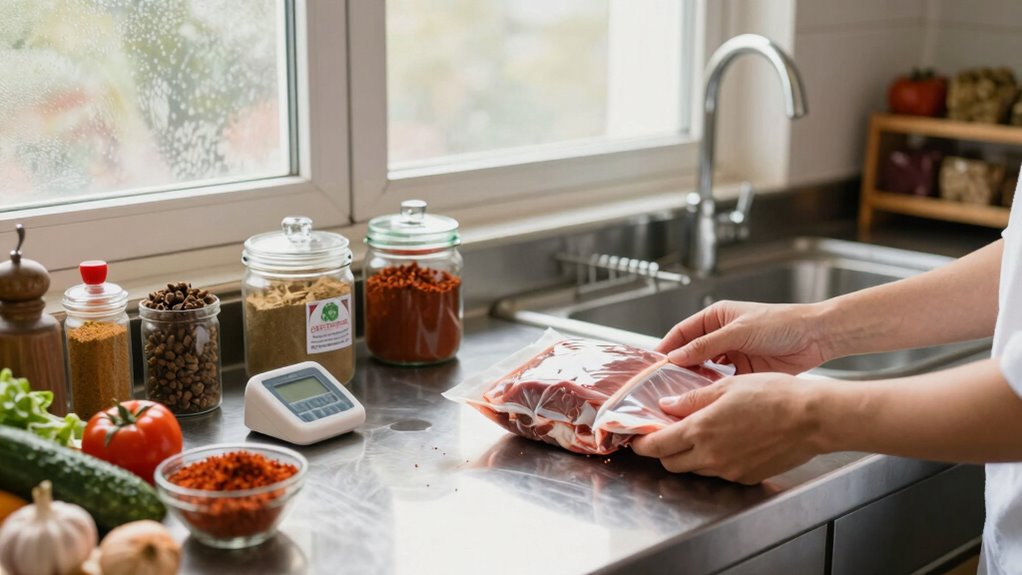

In your halal kitchen, many overlook hidden risks like cross-contamination on surfaces, utensils, and in storage areas. You need to regularly verify that all cookware, utensils, and appliances are free from non-halal residues, and store halal and haram items separately with clear labels. Check ingredient labels carefully for hidden haram additives, and make sure your fridge is organized to prevent mix-ups. Keeping standards current is essential—stay vigilant, and you’ll uncover even the spots you might forget.

Get kitchen staples and gadgets delivered free with Prime
- Fast, free delivery on millions of items
- Prime Video, Amazon Music and more included
- Member-only deals all year
Key Takeaways
- Check for proper separation of halal and non-halal ingredients on storage shelves and in containers.
- Verify that utensils, cookware, and appliances are dedicated and thoroughly sanitized for halal use.
- Ensure surfaces, cutting boards, and utensils are regularly cleaned and disinfected to prevent cross-contact.
- Confirm all ingredients and condiments are correctly labeled and sourced from certified halal suppliers.
- Inspect for hidden non-halal additives or cross-contamination risks in utensils, storage, and handling areas.
As an affiliate, we earn on qualifying purchases.
Why Cross-Contamination Is a Hidden Risk in Your Halal Kitchen
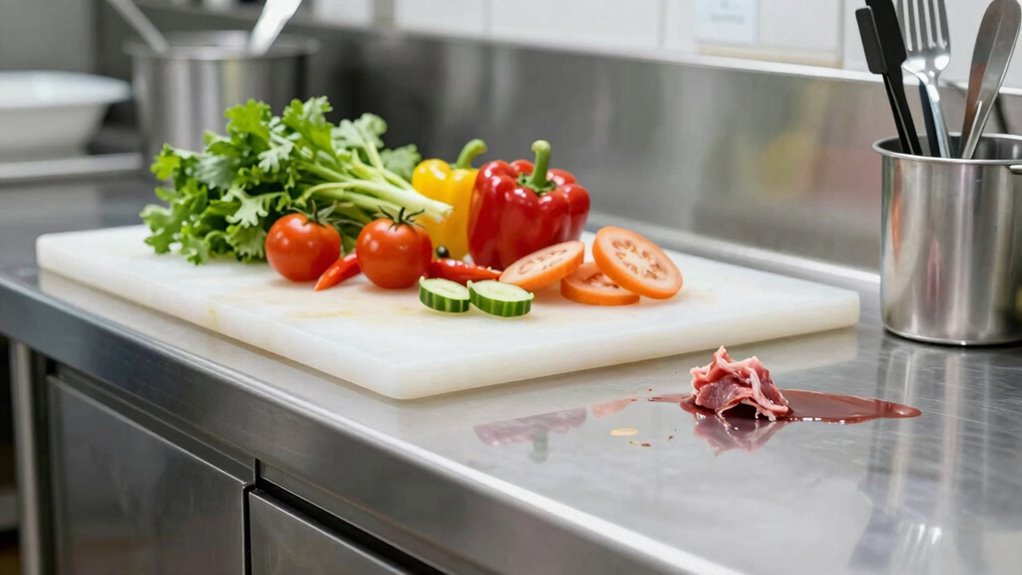
Cross-contamination often flies under the radar in halal kitchens, but it poses a significant risk to maintaining proper dietary standards. Even with strict halal practices, accidental contact with non-halal ingredients can occur, compromising the integrity of halal certification. Similarly, if your kitchen isn’t mindful of kosher certification, cross-contact with kosher-certified products can create issues. Gluten-free practices are also at risk; shared utensils or surfaces can introduce gluten, making dishes unsafe for those with allergies or sensitivities. To prevent this, you need to establish clear separation protocols and train staff to avoid cross-contact. Recognizing these hidden risks guarantees your kitchen upholds the integrity of halal, kosher, and gluten-free standards, safeguarding both your reputation and the trust of your customers.
How to Check Utensils and Cookware for Halal Certification
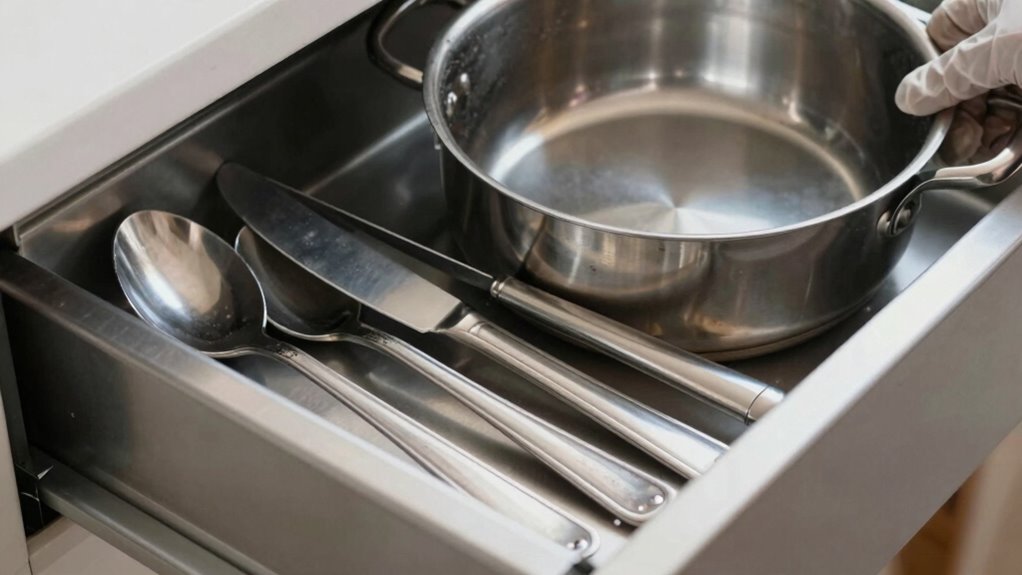
How can you guarantee that your utensils and cookware meet halal standards? First, examine the utensil material. Opt for stainless steel, silicone, or other non-porous materials that are less likely to absorb non-halal residues. Avoid utensils made from wood or clay that might have been previously used with non-halal ingredients. Next, check the cookware coatings. Ensure they are free from non-halal additives or animal-derived substances, especially in non-stick coatings. If you’re unsure, consider using separate cookware dedicated solely to halal cooking. Proper cleaning is vital; scrub thoroughly to remove any residue or build-up. By paying close attention to material and coatings, you minimize risks of cross-contamination and ensure your kitchen remains truly halal. Additionally, understanding real-world applications of different materials can help make informed choices for your kitchen. Electric dirt bikes often use materials like aluminum, which are durable and easy to clean, providing a good example of suitable cookware choices. Exploring new frontiers in digital content can provide further insights into best practices for maintaining halal standards in cooking. Furthermore, learning about halal cooking techniques can enhance your overall culinary experience while adhering to dietary guidelines. Incorporating safe cooking practices is essential for ensuring all food prepared in your kitchen meets halal requirements.**
Storing Halal and Haram Ingredients Correctly
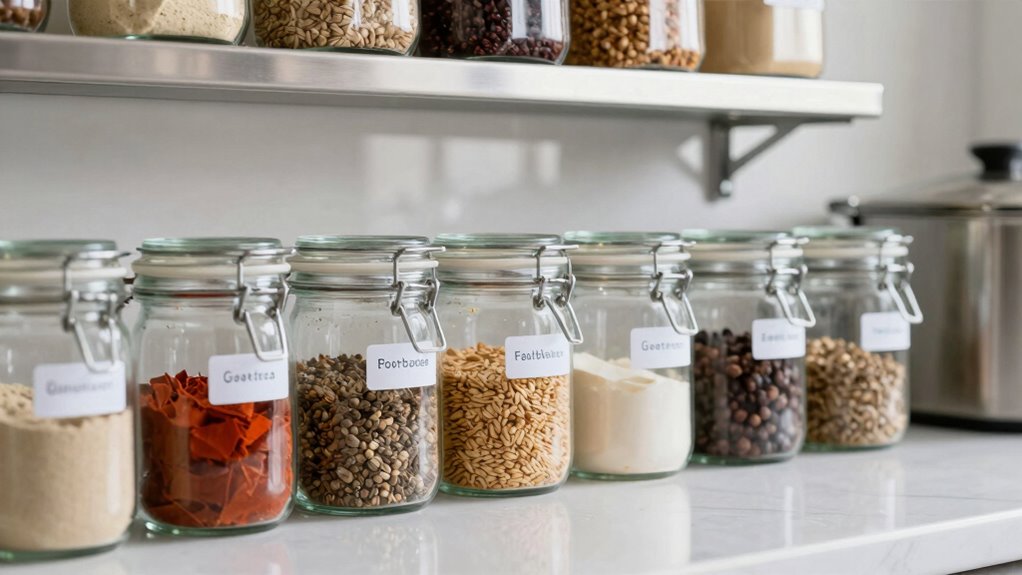
You need to keep halal and haram ingredients separate using proper storage techniques, like designated shelves or containers. Clear labeling guarantees you don’t accidentally mix or use the wrong items. This simple step helps maintain the integrity of your halal kitchen. Additionally, consider incorporating eco-friendly practices to enhance your storage solutions while promoting sustainability. Using sulfate-free options in your cleaning supplies can also help maintain a safe environment for your halal kitchen. Utilizing air fryer accessories can further streamline your cooking process, ensuring that all utensils and tools used are compliant with halal standards. Furthermore, understanding the cultural significance of dietary practices can deepen your appreciation for maintaining a halal kitchen. Proper organization not only aids in compliance but also enhances cooking efficiency in your halal kitchen.
Proper Separation Techniques
Proper Separation Techniques (Storing Halal and Haram Ingredients Correctly)
Proper separation techniques are essential to maintaining the integrity of halal ingredients and preventing contamination with haram items. You should always store halal and haram ingredients separately, ensuring they don’t cross-contact. Use clearly designated shelves or containers labeled specifically for halal items. Maintaining kitchen cleanliness is vital; sanitize storage areas regularly to avoid residue transfer. To reinforce this, consider the following approach:
| Storage Area | Halal Items | Haram Items |
|---|---|---|
| Refrigerators | Bottom Shelves | Top Shelves |
| Containers | Labeled Halal | Labeled Haram |
| Utensils | Dedicated & Clean | Dedicated & Clean |
| Shelving | Separate Zones | Separate Zones |
| Cleaning | Frequent & Thorough | Frequent & Thorough |
This method helps uphold halal certification standards and keeps your kitchen compliant. Additionally, implementing user consent management practices regarding ingredient sourcing can further enhance your kitchen’s integrity. Ensuring color accuracy in your food preparation area can also contribute to a more visually appealing presentation.
Clear Labeling Practices
Effective storage begins with clear labeling to prevent mix-ups between halal and haram ingredients. You need to make certain all containers are labeled accurately, indicating whether they hold halal or haram items. This helps maintain proper separation, especially in busy kitchens. When sourcing ingredients, verify certification to confirm halal status and avoid cross-contamination. Consistently check labels to make sure they remain legible and accurate, updating them if ingredients change. Proper labeling also involves organizing your storage so halal and haram items are stored separately, with visible markers. This minimizes errors and reinforces compliance. Regularly review your labeling system to catch mistakes early. Clear labeling practices are essential for maintaining the integrity of halal food preparation and building trust with consumers.
How to Read Ingredient Labels for Hidden Haram Additives
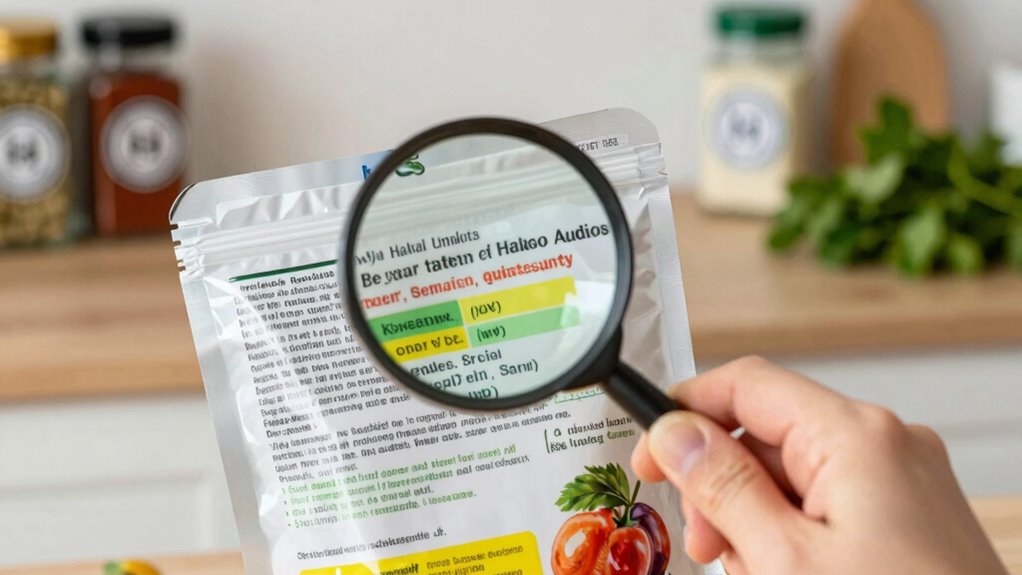
Have you ever wondered if a seemingly harmless ingredient might actually contain hidden haram additives? Reading ingredient labels carefully is essential for ensuring ingredient transparency and maintaining a halal kitchen. Look beyond the bolded items—check the fine print for unfamiliar terms like E-numbers, additives, or preservatives. Many hidden haram substances are disguised under synthetic names or vague descriptions, so knowing what to look for is key. Trust labels that specify “certified halal,” but don’t rely solely on them—verify the ingredients list for questionable components. Accurate label reading helps you spot potential haram additives before they reach your kitchen. By paying close attention to label accuracy, you safeguard your food, ensuring it aligns with your halal standards and gives you peace of mind. Additionally, consider how energy-efficient appliances can also impact your food preparation choices and overall kitchen sustainability. In fact, using smart controls can help regulate energy use while cooking, promoting both efficiency and eco-friendliness. Furthermore, understanding the impact of additives on health can guide your choices in maintaining a halal kitchen. Taking care to use best dishwasher cleaners can further ensure that your kitchen remains a safe and hygienic environment for your halal cooking. Moreover, investing in the best garage door openers enhances home security, allowing you to focus on meal preparation without worry.
Cleaning Surfaces to Prevent Cross-Contact
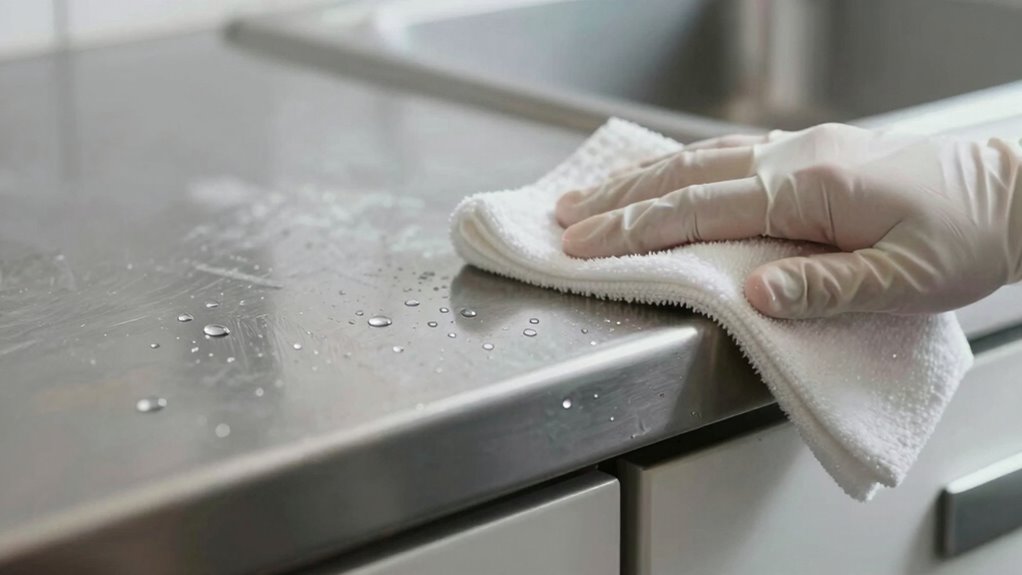
To prevent cross-contact between halal and non-halal foods, it’s essential to regularly clean and sanitize all surfaces in your kitchen. Use proper cleaning techniques, such as washing with hot water and food-safe disinfectants, to remove residue and bacteria. When preparing ingredients, ensure sourcing is reliable and that ingredients are stored separately to avoid contamination. Pay attention to cutting boards, countertops, and utensils, cleaning them thoroughly after each use. Additionally, using non-comedogenic products can help maintain a hygienic environment, especially when handling food directly. Avoid using the same tools for different types of foods without proper sanitation. Proper cleaning not only reduces the risk of cross-contact but also maintains the integrity of your cooking techniques. Consistently sanitizing surfaces and verifying ingredient sourcing helps uphold halal standards and keeps your kitchen safe and compliant. Furthermore, utilizing cleaning techniques in your routine can enhance overall kitchen hygiene and efficiency. Regularly utilizing safe cleaning practices is crucial for preventing contamination and ensuring your kitchen remains a healthy space for meal preparation. Moreover, implementing waterpark safety tips can be beneficial when planning outdoor cooking, as it encourages a thorough approach to cleanliness. Additionally, utilizing HEPA filters in your kitchen can improve air quality and reduce allergens, contributing to a cleaner cooking environment.
Managing Shared Appliances Like Toasters and Ovens
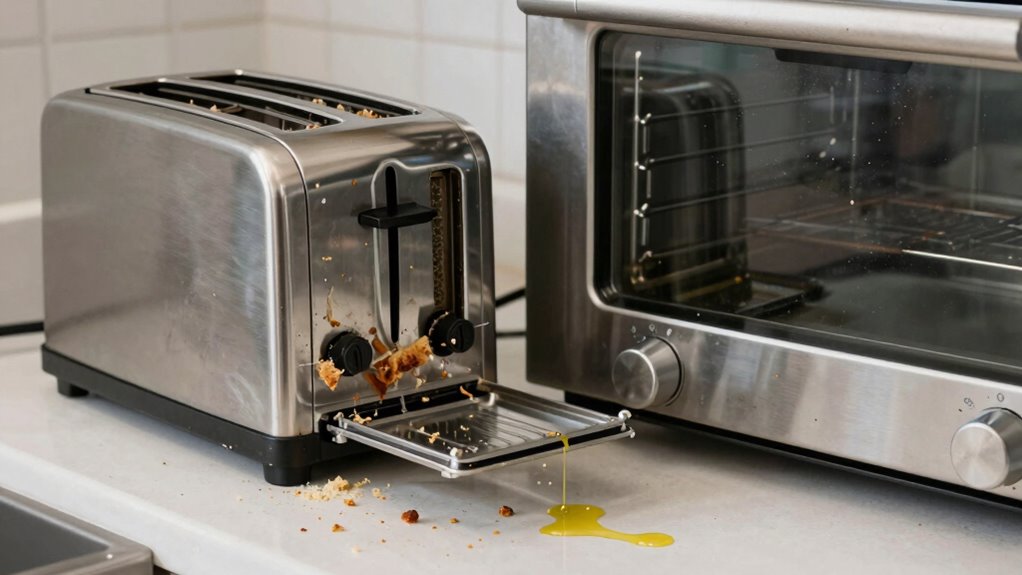
When managing shared appliances like toasters and ovens, you need to keep separate utensils and trays for halal and non-halal foods. Regularly cleaning these appliances is essential to prevent cross-contamination. By maintaining strict cleanliness and proper separation, you guarantee your kitchen stays compliant and safe. Additionally, investing in tech gear like designated kitchen tools can help streamline the process of maintaining a halal kitchen. Understanding the importance of ethical consumerism can further enhance your approach to kitchen management, promoting a conscientious lifestyle that respects dietary needs. A good practice is to ensure that you use designated compartments for halal and non-halal items, which reduces the risk of accidental mixing.
Separate Utensils and Trays
Managing shared appliances like toasters and ovens requires careful attention to prevent cross-contamination between halal and non-halal foods. To do this effectively, focus on utensil segregation and tray differentiation. Keep separate utensils—such as tongs, spatulas, and racks—for halal items, and clearly label them to avoid mix-ups. Use dedicated trays or baking sheets for halal foods, ensuring they’re not used for non-halal items. Before use, inspect trays for any leftover residues or crumbs that could cause contamination. Additionally, store halal-specific utensils and trays in a separate area to prevent accidental mixing. These small steps help maintain the integrity of your halal standards, ensuring no cross-contact occurs during cooking or toasting. Staying vigilant in these details safeguards both your faith and your kitchen’s cleanliness.
Cleanliness and Cross-Contamination
Since shared appliances like toasters and ovens are used for both halal and non-halal foods, you need to prioritize cleanliness to prevent cross-contamination. Regularly clean these appliances thoroughly, removing crumbs and residue that can harbor residue or bacteria. Guarantee proper kitchen ventilation to reduce moisture and airborne particles that might carry contaminants. When using ovens, consider separate racks or liners to keep halal items distinct. Proper pest control is also essential; pests can easily contaminate shared appliances or food surfaces, so maintain strict hygiene and store food properly. After each use, wipe down surfaces and check for signs of pests or debris. Keeping shared appliances clean, well-ventilated, and pest-free minimizes cross-contamination risks, ensuring your kitchen remains halal-compliant.
Choosing Halal-Friendly Condiments and Sauces
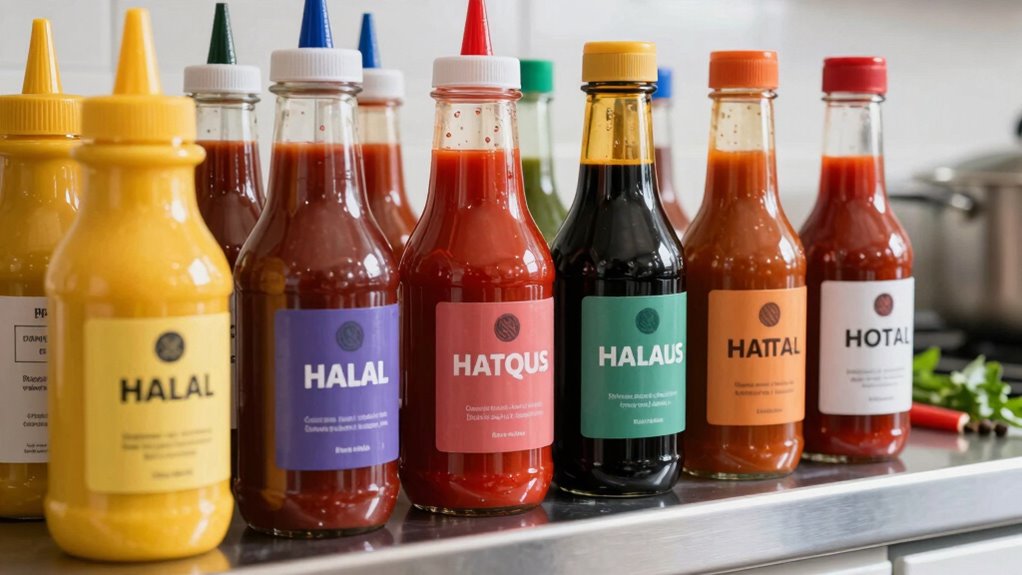
Choosing halal-friendly condiments and sauces requires careful attention to ingredient labels and sourcing, as not all options are inherently permissible. You need to verify that the ingredients align with halal standards and that sauce ingredient sources are trustworthy. Look for products labeled as halal or those with transparent ingredient lists. Be cautious of hidden additives like alcohol, non-halal enzymes, or animal-derived ingredients.
To guarantee you’re making the right choices, consider these tips:
- Opt for brands that specialize in halal condiments
- Read labels thoroughly before purchasing
- Confirm that flavorings and preservatives are halal-certified
- Avoid products with ambiguous or unclear ingredient sources
This way, you can confidently enjoy your favorite condiments without compromising your halal lifestyle.
Properly Handling and Preparing Halal Meat and Poultry
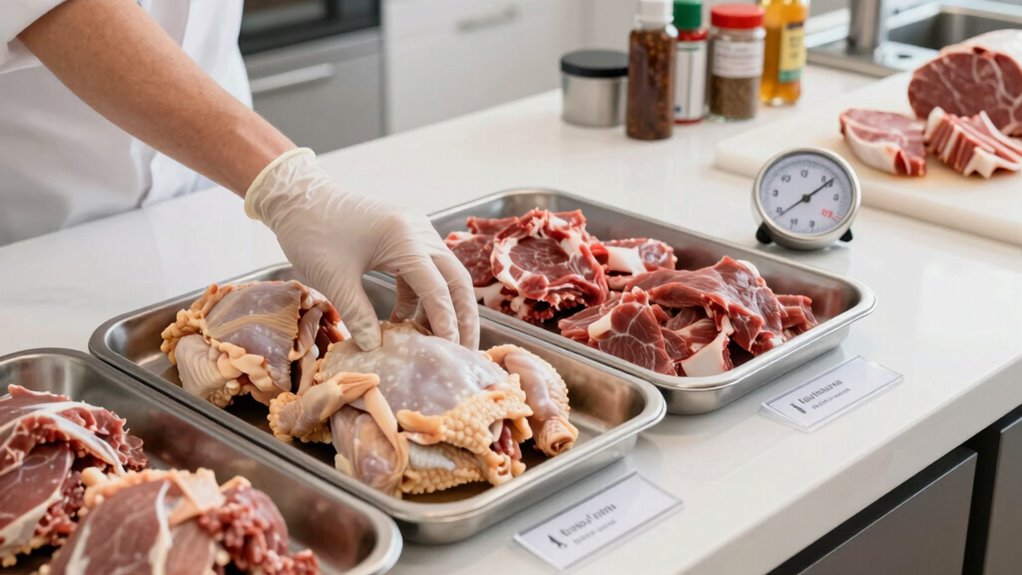
Properly handling and preparing halal meat and poultry is essential to guarantee your food remains compliant with halal standards. Start with meat sourcing, making certain all meat comes from suppliers with valid halal certification. This confirms the meat has been slaughtered according to Islamic guidelines. Always keep halal meat separate from non-halal products to prevent cross-contamination. Use dedicated cutting boards, knives, and storage containers for halal meat, and wash all utensils thoroughly after handling. When preparing, handle the meat with clean hands and avoid touching other ingredients unnecessarily. Proper hygiene and strict adherence to halal sourcing protocols help maintain the integrity of your meat and ascertain it meets halal standards from sourcing through preparation.
Organizing Your Fridge to Keep Halal and Haram Items Separate
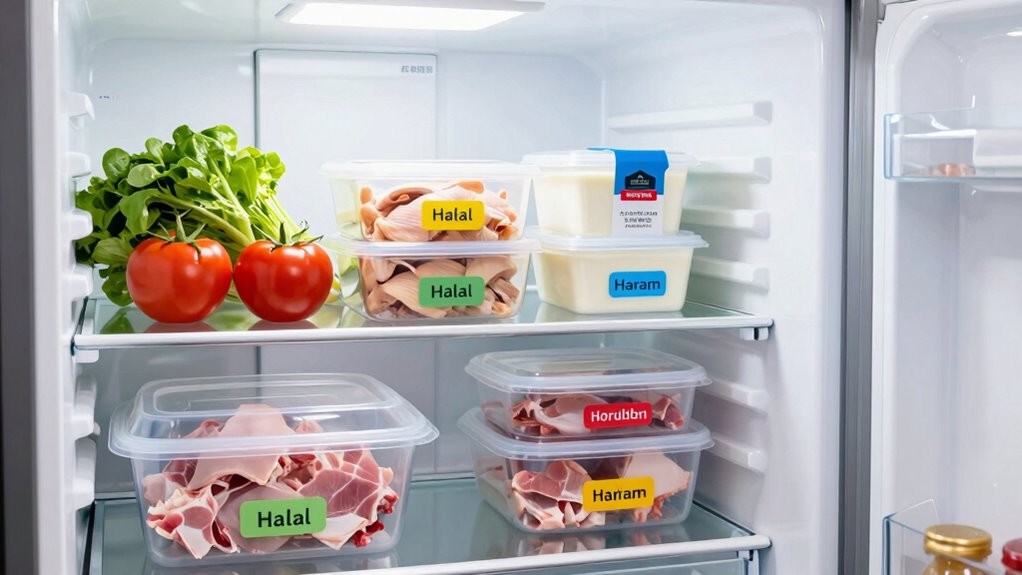
To keep your halal and haram items separate, start by designating specific shelves in your fridge for each. Use clear containers to store items, making it easy to identify what’s inside at a glance. Be sure to label everything clearly to prevent any mix-ups.
Designate Separate Shelves
Organizing your fridge by designating separate shelves for halal and haram items is essential in maintaining food purity and avoiding cross-contamination. Clear separation helps prevent accidental mixing, especially with spice storage and baking ingredients. Assign specific shelves for halal products, keeping them away from haram items. Use labels to identify each shelf clearly. Consider placing spices and baking ingredients on a dedicated shelf to avoid spills or contamination. Regularly check for expired items and promptly remove any questionable products. Keep raw meats on the bottom shelf to prevent drips from contaminating other foods. This organized approach guarantees your kitchen remains compliant and safe. Remember, consistency is key to maintaining a clean, respectful, and halal-friendly environment.
Use Clear Containers
Using clear containers in your fridge makes it easier to distinguish between halal and haram items at a glance. Storage containers that are transparent let you quickly identify contents without opening them, reducing the risk of mixing items or contaminating halal food. Implementing consistent labeling practices on these containers helps keep everything organized and easy to locate. Use simple labels with clear writing or symbols to indicate whether the item is halal or haram. This approach not only streamlines your fridge organization but also reinforces your commitment to maintaining a halal kitchen. By choosing the right storage containers and applying effective labeling, you minimize cross-contamination and guarantee that your halal items stay separate and easily accessible.
Label Items Clearly
Clearly labeling your items is essential for maintaining a halal kitchen and preventing mix-ups. Proper labels help you quickly identify halal versus haram items, especially when it comes to ingredient sourcing and certification verification. Use clear, visible labels on containers and packages, indicating whether an item is halal or not. This reduces the risk of accidentally consuming haram products.
Make sure to include:
- Date of purchase for freshness
- Source or supplier info for ingredient sourcing
- Certification status to verify halal compliance
- Clear designation of halal or non-halal items
Reviewing and Updating Your Halal Kitchen Standards Regularly
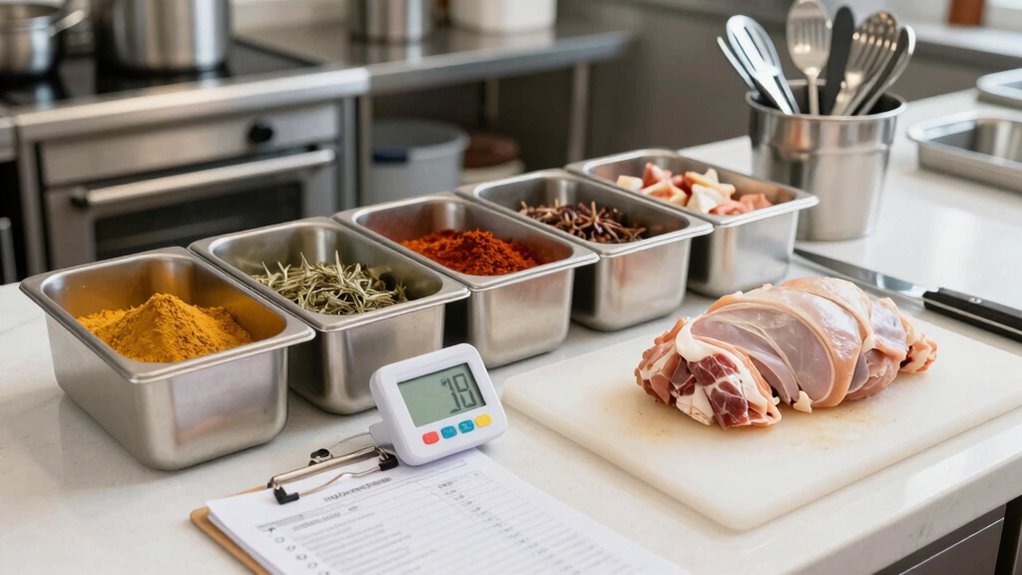
Regularly reviewing and updating your Halal kitchen standards is essential to guarantee compliance with evolving guidelines and maintain high quality. This process assures your kitchen continues to meet strict certification standards and upholds proper kitchen hygiene. As regulations change, so should your practices, from sourcing ingredients to handling utensils. Regular audits help identify potential issues early, allowing you to implement necessary adjustments. Stay informed about new certification standards and best practices in kitchen hygiene to prevent lapses. Consistent updates also reinforce staff training, ensuring everyone understands current protocols. By keeping your standards current, you demonstrate your commitment to halal integrity and quality, fostering trust with customers and certifying bodies alike. Regular review is your best tool for sustained excellence in your halal kitchen.
Frequently Asked Questions
How Often Should I Conduct a Halal Kitchen Audit?
You should conduct a halal kitchen audit at least quarterly to guarantee proper ingredient sourcing and pest control. Regular checks help catch any issues early, like cross-contamination or non-halal ingredients. Consistent audits also verify that pest control measures are effective, maintaining hygiene standards. By staying proactive and reviewing these areas often, you ensure your kitchen remains compliant and trustworthy for your customers.
Are There Specific Certifications to Look for on Kitchen Equipment?
Yes, you should look for equipment with Halal certification or clear labels indicating adherence to Halal standards. Check that the equipment meets specific standards for cleanliness and non-contamination, guaranteeing it hasn’t been used with non-Halal products. Proper certification and strict equipment standards help maintain your kitchen’s Halal integrity. Always verify labels and certifications during your audit to ensure compliance and uphold your commitment to authentic Halal practices.
What Are Common Hidden Sources of Haram in Processed Foods?
Imagine buying a seemingly halal snack, only to find hidden additives like alcohol-based flavorings. These are common hidden sources of haram in processed foods. Cross contamination risks also pose a threat when halal and non-halal items share equipment or surfaces. Always check ingredient labels carefully, looking for hidden additives like emulsifiers or preservatives derived from non-halal sources, and make certain proper separation to prevent cross contamination.
How Can I Train Staff to Maintain Halal Standards Consistently?
You can guarantee staff maintains halal standards through thorough staff training focused on halal compliance. Regularly update them on halal guidelines, conduct hands-on workshops, and emphasize the importance of practices like proper utensil separation and ingredient checks. Encourage open communication for questions or concerns, and implement routine audits to reinforce adherence. Consistent training and monitoring help embed halal standards into daily routines, making compliance an integral part of your kitchen culture.
What Are Best Practices for Documenting and Tracking Kitchen Audits?
To effectively document and track kitchen audits, you should use detailed checklists aligned with halal certification standards, focusing on kitchen cleanliness and ingredient handling. Regularly update records, noting any issues and corrective actions taken. Utilize digital tools or spreadsheets for easy access and trend analysis over time. This approach guarantees consistency, helps identify recurring problems, and maintains compliance with halal standards, ultimately safeguarding your kitchen’s integrity.
Conclusion
By overlooking these ten spots, you risk turning your halal kitchen into a chaos of cross-contamination and hidden haram. Imagine accidentally serving up something that compromises your faith—it’s like inviting a wolf into your sheep pen! Stay vigilant, check every utensil, label, and ingredient, and keep your standards high. With these tips, you’ll turn your kitchen into a fortress of purity—so strong, even the strictest halal inspector would be impressed!
Evergreen bestsellers Picks
bestsellers
As an affiliate, we earn on qualifying purchases.