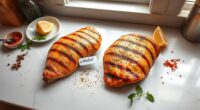
Halal meat practices can raise ethical concerns about animal welfare. While the method aims to be humane, critics argue that non-stunned slaughter may cause unnecessary suffering and stress. In the UK, many halal animals are now stunned before slaughter, indicating a shift towards better animal treatment. However, not all halal-certified meat meets humane standards, so it's vital to stay informed. If you're curious about how consumer choices can influence these practices, there's more to uncover.

Get kitchen staples and gadgets delivered free — and shop member deals
- Fast, free delivery on millions of items
- Access to Prime Big Deal Days deals on October 6–7
- Prime Video, Amazon Music and more included

When you consider halal meat ethics, it's essential to recognize the balance between religious practices and animal welfare. The halal meat industry is rooted in Islamic principles that emphasize the ethical treatment of animals throughout their lives. This means they should be well cared for and not witness the slaughter of other animals, which helps minimize stress during the process.
However, the debate around halal slaughter often raises questions about whether these practices align with contemporary understandings of animal rights and welfare.
The halal slaughter debate challenges the harmony between tradition and modern animal rights perspectives.
Halal slaughter involves a specific method where a swift, controlled cut is made to the throat, windpipe, and blood vessels. This act is accompanied by the invocation of God's name, known as Tasmiyah, ensuring spiritual compliance while aiming for humane treatment. Critics, however, argue that non-stunned halal slaughter can lead to unnecessary suffering. Studies have shown that stress hormones can spike during this process, potentially impacting both the animal's well-being and the quality of the meat. This concern pushes you to think about the balance between religious rituals and the ethical treatment of animals.
In the UK, there's a growing trend where about 65% of halal animals are stunned before slaughter. This shift indicates a recognition of the need to align traditional slaughter methods with contemporary animal welfare standards. It raises the question: are current practices in the halal meat industry keeping pace with evolving views on animal rights?
While halal certification aims to ensure that meat meets religious and ethical guidelines, not all halal-certified meat adheres to the humane treatment expected by consumers. Critics often highlight violations of humane treatment in some slaughterhouses, suggesting that a lack of oversight can lead to cruelty, even within the halal framework. This reality can be troubling for consumers who want to support ethical practices.
You may find yourself contemplating how to navigate the complexities of halal meat ethics, considering both the spiritual and welfare aspects involved. Ultimately, the conversation around halal meat ethics is nuanced, requiring you to weigh religious beliefs against the pressing need for animal welfare. The cost of home security systems can also influence consumer choices in ensuring safety and ethical practices in the food industry.
As consumer awareness grows, the halal meat industry must adapt, striving for higher standards of ethical treatment, food safety, and respect for animal rights. Your choices can help shape the future of halal practices, encouraging a balance that honors both faith and compassion for living beings.
Frequently Asked Questions
How Ethical Is Halal Meat?
When you consider how ethical halal meat is, you should think about the treatment of animals throughout their lives and the slaughter process.
The halal method emphasizes humane care, but the debate intensifies with practices like stunning.
You might find that many halal animals in the UK are stunned, which could alleviate some concerns.
However, you'll need to weigh the ethical implications of non-stunned methods and their impact on animal welfare against religious practices.
Is Halal Meat Humanely Slaughtered?
When you think of a calm stream flowing, you might imagine the ideal of humane slaughter.
Halal meat can be humanely slaughtered, especially when animals are stunned before the process. This approach aims for a swift and peaceful end.
However, non-stunned methods raise concerns about potential suffering. While the intent is to minimize distress, the reality of transport and confinement can still disrupt that tranquility, impacting both animal welfare and meat quality.
Is There Any Science Behind Halal Meat?
When you explore the science behind halal meat, you'll find various studies examining its slaughter methods.
Research indicates that halal slaughter can lead to increased stress hormones in animals, which might affect meat quality.
Some argue that stunning before slaughter is more humane, while others support the traditional approach.
You'll discover that ethical considerations play a significant role in the discussion, balancing religious practices with animal welfare concerns.
What Are the Ethical Issues in the Halal Industry?
When you consider the ethical issues in the halal industry, you'll find a complex interplay between religious beliefs and animal welfare.
Critics often highlight concerns about non-stunned slaughter, pointing to potential suffering and increased stress for animals. While many halal producers now stun animals before slaughter, debates continue around the necessity of such practices.
Public outcry over unstunned meat in schools further illustrates the tension between faith-based traditions and modern ethical standards.
As an affiliate, we earn on qualifying purchases.
Conclusion
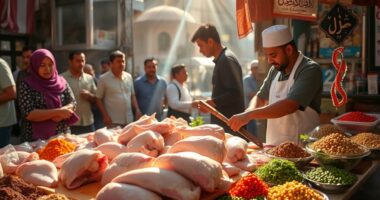
As you stand in the bustling market, the aroma of spices fills the air, but a lingering question tugs at your conscience: Is halal meat truly humane? You watch as the butcher prepares with precision, reflecting a deep respect for the ritual. Yet, you can't shake the uneasy feeling that lingers in the back of your mind. Ultimately, the answer lies in how we balance tradition with compassion, as you ponder the choices that shape your plate and your values.
Evergreen bestsellers Picks
bestsellers
As an affiliate, we earn on qualifying purchases.