
Just because a drink is labeled non-alcoholic doesn’t mean it’s automatically halal. Some may contain traces of alcohol from fermentation or use non-halal ingredients like gelatin, flavorings, or colorings. Hidden additives or cross-contamination during production can also compromise its status. To guarantee safety, always check for halal certifications, examine ingredient lists closely, and be cautious with ambiguous labels. If you want to know how to spot these issues, keep exploring the details below.

Get kitchen staples and gadgets delivered free with Prime
- Fast, free delivery on millions of items
- Prime Video, Amazon Music and more included
- Member-only deals all year
Key Takeaways
- Non-alcoholic beverages can contain trace amounts of alcohol from fermentation or additives, affecting their halal status.
- Ingredients like flavorings, colorings, and preservatives may be derived from non-halal sources or processed with alcohol-based solvents.
- Cross-contamination during manufacturing can introduce non-halal ingredients into non-alcoholic drinks.
- Always verify halal certification and check ingredient labels carefully before consumption.
- Homemade or trusted brand products with verified halal certification are safer choices for ensuring compliance.
halal certified non-alcoholic drinks
As an affiliate, we earn on qualifying purchases.
As an affiliate, we earn on qualifying purchases.
Are All Non-Alcoholic Drinks Halal? What You Need to Know
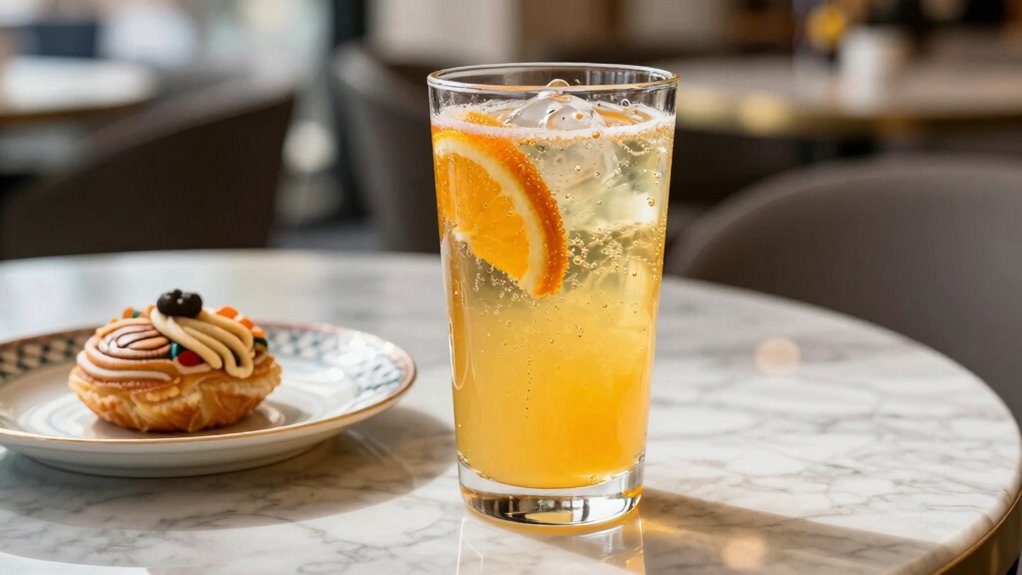
Many people assume that all non-alcoholic drinks are automatically halal, but that’s not always the case. Cultural significance plays a big role in how drinks are produced and perceived in different societies, influencing what’s considered acceptable. From a religious perspective, halal guidelines focus on ingredients and production methods, not just alcohol content. Some non-alcoholic beverages might contain traces of alcohol from fermentation or additives, making them unsuitable for certain communities. It is crucial to check labels and certifications carefully. Understanding the religious and cultural context helps you make informed choices, ensuring your drinks align with your beliefs. Just because a drink isn’t alcoholic doesn’t mean it’s automatically halal—always verify to respect your faith and cultural practices.
How Alcohol Is Used in Food and Beverage Processing
—
Have you ever wondered how alcohol is used in food and beverage processing? Alcohol plays a key role in creating flavors and textures through processes like alcohol fermentation and beverage distillation. During fermentation, sugars convert into alcohol, adding depth to products like bread and fermented drinks. Beverage distillation then separates alcohol from mixtures to produce spirits or flavor extracts. Additionally, communication styles can influence how consumers perceive the presence of alcohol in food and beverages. Understanding the digital concepts behind these processes can further enhance our appreciation of their complexity, as many products also utilize astrological compatibility to market their unique flavors. Furthermore, the color accuracy in food presentation can significantly enhance consumer appeal.
Here’s a quick overview:
| Process | Purpose | Result |
|---|---|---|
| Alcohol fermentation | Converts sugars into alcohol and flavors | Creates fermented foods and drinks |
| Beverage distillation | Concentrates alcohol and flavors | Produces spirits and extracts |
| Cooking techniques | Adds aroma and moisture | Enhances taste and texture |
| Preservation methods | Extends shelf life | Prevents spoilage |
Understanding these methods helps clarify how alcohol ends up in various foods and beverages. Additionally, certain industrial measurement tools are crucial for ensuring the accuracy of alcohol content in these processes.
—
Common Hidden Ingredients in Beverages That May Not Be Halal
While alcohol is often visible in certain beverages, many hidden ingredients can also raise concerns about whether a drink is halal. Some common hidden ingredients include natural sweeteners and preservative agents that may contain non-halal sources. You should watch out for:
Hidden ingredients like sweeteners and preservatives can affect a drink’s halal status—always check labels carefully.
- Natural sweeteners – Some, like honey or certain plant extracts, might be processed with non-halal methods.
- Preservative agents – Ingredients like gelatin or certain emulsifiers may derive from non-halal animal sources.
- Flavorings – Artificial or natural flavorings can sometimes contain alcohol or non-halal additives.
- Colorings – Some color additives are made from non-halal animal-derived ingredients or contain alcohol-based solvents.
Always check labels carefully to guarantee these hidden ingredients meet halal standards.
Do Additives and Flavors Affect the Halal Status of Drinks?
Additives and flavors play a crucial role in the safety and permissibility of beverages for Muslims. Flavor additives, whether natural or artificial ingredients, can impact whether a drink is considered halal. Artificial ingredients often contain substances derived from non-halal sources or processed with alcohol-based solvents, making their status questionable. Even if a beverage is labeled non-alcoholic, the presence of certain flavor additives might compromise its halal integrity. Some additives may use alcohol or animal-derived products during manufacturing, which could render the drink haram. As a Muslim consumer, it’s important to scrutinize ingredient lists carefully and seek products with verified halal certifications. Understanding the origin and processing of flavor additives helps guarantee you choose beverages that align with your dietary and religious principles.
How to Verify Halal Certification on Drink Labels
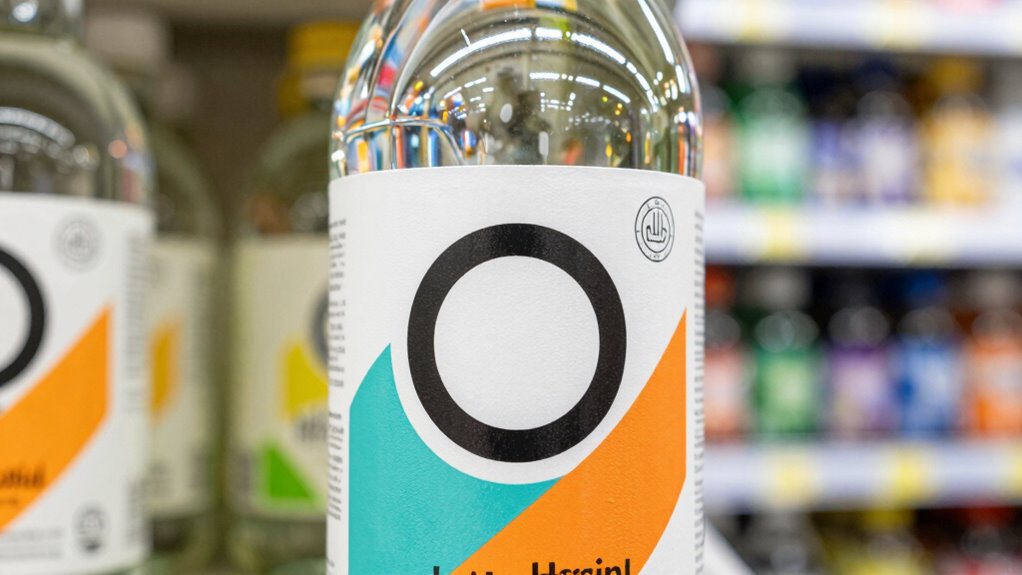
To verify a drink’s halal status, start by spotting clear halal symbols on the label. Make sure the certification is still valid by checking the dates, and read ingredient labels carefully to spot any forbidden additives. This way, you can confidently choose drinks that meet your halal requirements.
Recognize Halal Symbols Clearly
Recognizing halal symbols on drink labels is essential to guarantee the product meets your dietary standards. Look for clear, recognizable symbols from trusted halal certification authorities. These symbols confirm the product has undergone proper certification, ensuring ingredient transparency. To verify a halal symbol:
- Confirm it’s from a reputable halal certifying body recognized in your community.
- Check that the symbol is not altered or smudged.
- Cross-reference the certification logo with official sources if unsure.
- Remember that some products may lack a symbol but still carry a halal certification statement in the ingredients list.
Additionally, consider that some brands prioritize transparency, similar to how water purification systems ensure safety in food and drink. Always prioritize labels that display both halal certification and transparent ingredient lists, helping you make informed choices confidently. Furthermore, being aware of angel numbers can enhance your awareness of spiritual guidance as you navigate dietary choices. Additionally, understanding inclusive casting in the beauty industry can provide insights into how diverse perspectives affect product labeling and certification processes.
Check Certification Validity Dates
Sure! Here’s your modified content with the addition:
—
While spotting halal symbols helps confirm a product’s certification, it’s equally important to verify that the certification is current. Check the certification renewal date on the label to guarantee the halal status is valid. An expired certification means the product may no longer meet halal standards, so don’t rely solely on the symbol. Additionally, review the ingredient sourcing information, as ingredients can change over time. Manufacturers should update their labels with current certification details, reflecting any renewal. If the date isn’t clear or seems outdated, contact the manufacturer for confirmation. Staying vigilant about certification validity helps you avoid products that may no longer adhere to halal requirements, ensuring your choices remain authentic and compliant. Moreover, consider the use of eco-friendly options in your selection process, as these can align with your ethical values while maintaining halal standards. Engaging in mindful practices can enhance your emotional well-being as you navigate these choices. Furthermore, be aware of air quality considerations, as the environment in which you consume products can impact your overall health.
—
Feel free to let me know if you need any further modifications!
Understand Ingredient Labels Properly
Understanding ingredient labels on drink packages is essential for verifying halal certification, especially since symbols alone might not tell the full story. You need to look beyond logos and check the actual ingredient list.
- Read all ingredients carefully, focusing on flavor additives, which can sometimes contain non-halal components.
- Check ingredient sourcing, ensuring that ingredients like emulsifiers or stabilizers are from halal-certified sources.
- Look for clarifications or certifications next to ingredients, especially for additives and flavorings.
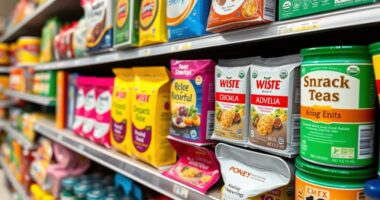
- Be cautious of ambiguous terms such as “natural flavors” or “artificial flavors,” and verify their halal status if possible.
Knowing how to interpret labels helps you make informed choices and avoid hidden non-halal ingredients in your drinks.
Which Non-Alcoholic Beverages Are Not Halal?
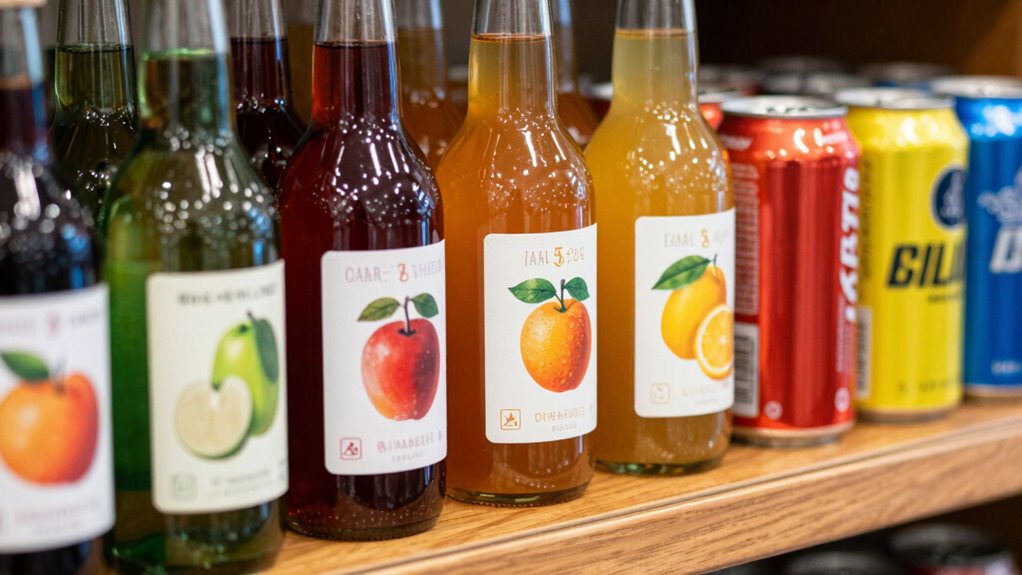
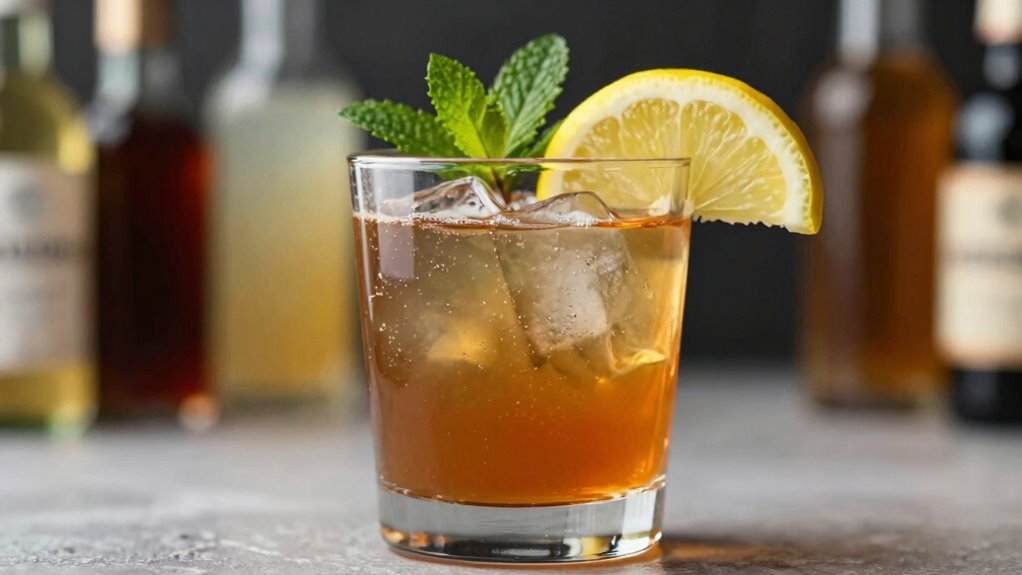
Not all non-alcoholic beverages automatically meet halal standards, as some may contain ingredients or processing methods that are prohibited. Certain alcohol alternatives, like non-alcoholic beers or wines, might still contain trace amounts of alcohol, making them unsuitable for halal consumption. Additionally, beverage additives such as flavorings, colorings, or preservatives can be derived from non-halal sources or involve alcohol-based extraction processes. It’s essential to scrutinize ingredient labels carefully. Even if a drink is labeled non-alcoholic, check for any hidden ingredients or additives that could compromise its halal status. Not all beverages labeled as non-alcoholic are automatically halal; some may incorporate ingredients or processes that disqualify them. Always verify the source and certification to guarantee they meet halal standards. Moreover, consider the impact of eco-friendly natural pools on ingredient sourcing, as sustainable practices can influence the quality of beverages.
Can Beverages Be Cross-Contaminated During Production?
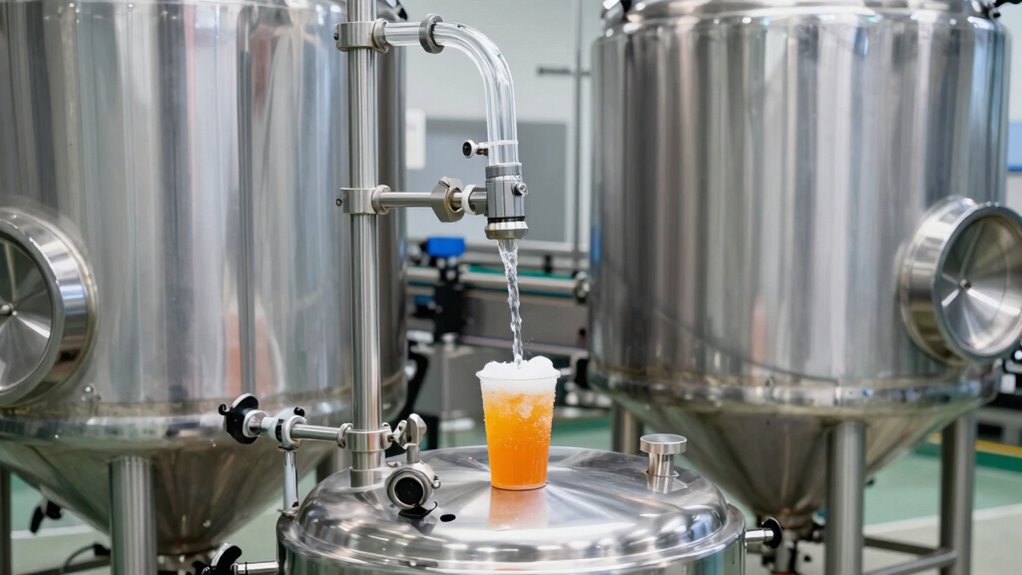
Sure! Here’s your modified article subheading content with the requested adjustments:
—
Even if a beverage is labeled non-alcoholic and appears to meet halal standards, cross-contamination during production can pose a hidden risk. Cross contamination risks arise when equipment or facilities handle both halal and non-halal products without proper cleaning. To ensure production safety, consider these factors:
- Shared machinery used for different beverages
- Inadequate cleaning protocols between batches
- Storage areas handling multiple product types
- Cross-contact from staff or utensils
These factors can introduce traces of alcohol or non-halal ingredients, compromising the halal status. Manufacturers must follow strict production safety measures to prevent cross contamination risks. Additionally, maintaining proper cable safety protocols can help ensure that equipment used in production does not become a vector for contamination. Always verify whether the production process adheres to halal standards, especially when products are made in facilities processing various beverages. Additionally, understanding travel safety tips can help manufacturers improve their operational efficiency and safety measures, ensuring compliance with halal standards.
—
Let me know if you need any further adjustments!
Tips for Reading Labels and Spotting Halal-Friendly Drinks
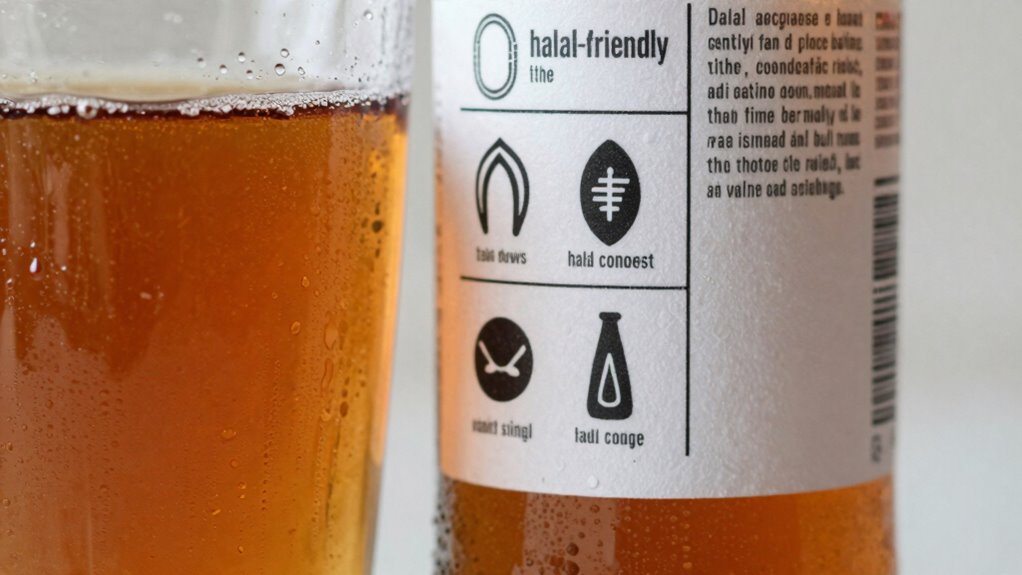
When shopping for halal-friendly drinks, reading labels carefully is essential to guarantee they meet your dietary requirements. Cultural perceptions often influence how beverages are branded and labeled, so pay attention to terminology and symbols. Look for clear indications of halal certification or ingredients that align with Islamic dietary laws. Beverage branding can sometimes be misleading, using terms like “natural” or “healthy” without verification, so don’t rely solely on packaging claims. Additionally, consider that some drinks can enhance your overall experience, similar to how various styles of tights can complement different outfits. Check ingredient lists for alcohol derivatives or questionable additives that may compromise halal standards. Familiarize yourself with common halal-friendly ingredients and be cautious of vague or ambiguous labels. Additionally, be aware that some drinks may contain ingredients derived from non-halal sources, which can affect their suitability for your diet. By scrutinizing labels and understanding cultural branding cues, you can confidently identify drinks that truly fit your halal lifestyle. Additionally, consider exploring crochet techniques that may help you create custom beverage holders for your drinks. Always remember that maintaining privacy and security in your smart home can enhance your overall safety, as it ensures that your dietary choices remain personal and protected.
Trusted Halal Certifications to Look For
Trusted Halal Certifications to Look For
Recognizing trusted halal certifications can considerably simplify your search for genuine halal drinks. Look for labels from reputable certifying bodies, as they guarantee the product meets strict standards. When checking for halal certification, verify that it’s current and visibly displayed on the packaging. Also, perform ingredient analysis to confirm there are no forbidden substances, especially in non-alcoholic drinks that might contain hidden additives. Here are four trusted halal certifications to look for:
Trusted halal certifications ensure genuine products—always verify labels, current status, and ingredients for peace of mind.
- JAKIM (Malaysia)
- MUI (Indonesia)
- Islamic Food Council of America (IFCA)
- Halal Certification by local authorities
Additionally, it’s important to note that market trends can impact the availability and labeling of halal products. Always double-check the certification’s authenticity to avoid accidental consumption of non-halal ingredients, even in drinks labeled as non-alcoholic. Furthermore, transparency in private equity can influence consumer trust in product certifications, making it essential to stay informed. Establishing metabolic health through dietary choices can also guide consumers in selecting the right options. Moreover, understanding risk management strategies can help consumers navigate the complexities of product certifications more effectively.
What To Do If You’re Unsure About a Drink’s Halal Status

If you’re unsure about a drink’s halal status, the best approach is to seek reliable information before consuming it. Check for Halal certification on the label, as it indicates the product meets Islamic dietary laws. If the certification isn’t visible, visit the manufacturer’s website or contact customer service to verify. Be aware of beverage contamination, which occurs when non-halal ingredients or alcohol accidentally mix into drinks during production. Cross-contamination can happen even in non-alcoholic beverages, so it’s essential to confirm that the drink is free from such issues. When in doubt, choose trusted brands with clear halal certifications or opt for homemade drinks to guarantee compliance with your dietary requirements. Always prioritize verified information to avoid inadvertently consuming non-halal products.
Frequently Asked Questions
Are There Specific Countries With Stricter Halal Standards for Beverages?
You’ll find that countries like Saudi Arabia and Malaysia have stricter halal standards for beverages, heavily influenced by cultural and religious factors. Regional regulations in these countries demand rigorous certification processes, ensuring products meet specific halal criteria. These standards often go beyond international norms, reflecting deep cultural influences. As a result, beverage manufacturers must carefully adhere to local regulations to gain approval, making compliance more challenging compared to countries with less stringent rules.
How Do Production Processes Impact a Drink’s Halal Status?
Did you know that over 60% of consumers consider manufacturing transparency crucial for halal certification? Your drink’s halal status hinges on production processes, especially ingredients sourcing and how transparent the manufacturing is. If alcohol or non-halal additives sneak into production or if cross-contamination occurs, it compromises halal integrity. Ensuring strict ingredient sourcing and transparent manufacturing practices is essential to verify that your beverage aligns with halal standards.
Can Non-Alcoholic Beers Still Contain Trace Alcohol?
Yes, non-alcoholic beers can still contain trace alcohol. During production, small amounts of alcohol may remain due to trace residues from fermentation or processing methods. While most non-alcoholic beers have an alcohol content below 0.5%, some might have slightly higher levels, which could affect halal status. Always check labels carefully and consult trusted sources if you’re concerned about alcohol content and compliance with dietary restrictions.
What Are Common Non-Alcoholic Drinks That Are Often Mistakenly Considered Halal?
Think of non-alcoholic drinks as a wolf in sheep’s clothing—you may assume they’re halal, but often, artificial flavors and cross contamination cast doubt. Popular soda brands, fruit juices, and energy drinks are mistakenly considered halal, yet they sometimes contain trace alcohol or non-halal ingredients. Always check labels carefully, as hidden additives and manufacturing processes can turn a seemingly innocent beverage into something not truly halal.
How Reliable Are Third-Party Halal Certification Bodies?
Third-party halal certification bodies can be quite reliable, but their certification authenticity depends on strict regulatory oversight. You should verify their credentials and reputation to guarantee genuine compliance with halal standards. While many organizations maintain high standards, some may lack proper oversight, making it essential for you to research and choose certifiers with transparent processes. Always look for recognized certifications to confidently identify products that truly meet halal requirements.
Conclusion
Ultimately, while non-alcoholic drinks might seem straightforward, it’s wise to approach them with a gentle curiosity. By carefully reading labels and seeking trusted certifications, you can navigate the beverage aisle with confidence. Remember, a little extra care in checking ingredients can help you enjoy your drinks comfortably, knowing they align with your values. Sometimes, a cautious step guarantees a peaceful sip—embracing your choices with clarity and peace of mind.
Fall Picks
fall essentials
As an affiliate, we earn on qualifying purchases.