
Halal certification confirms that a product or service follows Islamic dietary laws and standards, focusing on proper ingredients, processing, and handling. However, it doesn’t guarantee ongoing safety, quality, or cultural authenticity. Some misconceptions make it seem more thorough than it is. To truly trust a product, you need to understand the certification process and recognize credible bodies. Stick around to discover how to make confident, informed choices beyond just the label.

Get kitchen staples and gadgets delivered free with Prime
- Fast, free delivery on millions of items
- Prime Video, Amazon Music and more included
- Member-only deals all year
Key Takeaways
- Halal certification verifies adherence to Islamic dietary laws and standards, ensuring ingredients and processes meet religious requirements.
- It guarantees compliance with hygiene, safety, and quality standards but does not ensure ongoing safety after reaching consumers.
- Certification can be subject to fraud or oversight lapses, so consumer trust depends on credible, transparent certifying bodies.
- It covers various products beyond meat, including cosmetics and pharmaceuticals, reflecting broader compliance with halal principles.
- Halal certification reflects cultural and religious values but does not fully capture traditional practices or community trust.
As an affiliate, we earn on qualifying purchases.
What Does Halal Certification Actually Verify?
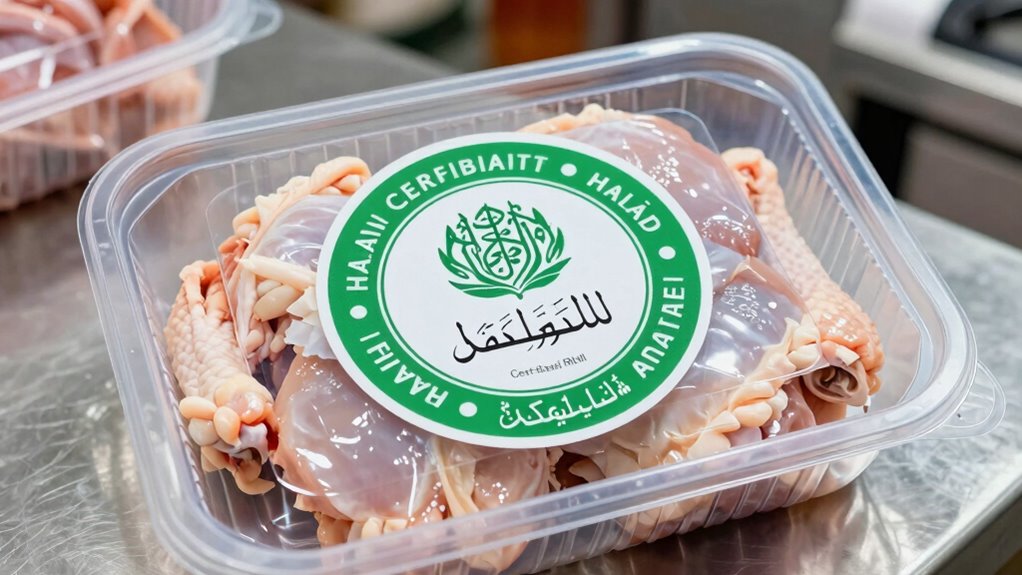
What Does Halal Certification Actually Verify?
Have you ever wondered what exactly halal certification confirms? It verifies that the product adheres to specific halal practices, ensuring it meets strict certification standards. This process checks how the food is prepared, processed, and handled, confirming no prohibited ingredients or methods are involved. Certification standards require transparency and compliance with Islamic law, covering everything from slaughtering animals humanely to avoiding cross-contamination. Additionally, some halal certification bodies also emphasize early detection awareness in their standards, underscoring the importance of informed choices. It also involves rigorous inspection and documentation, making sure that all steps align with halal principles. By obtaining this certification, you’re assured that the product aligns with Islamic dietary laws and ethical practices. Furthermore, the emphasis on transparency and compliance in halal certification parallels the meticulous standards seen in various industries, such as home cinema projectors, where quality assurance is paramount. Moreover, the growing demand for eco-friendly options reflects a broader trend toward ethical consumerism in multiple sectors. Halal certification also aligns with ethical practices in food production, promoting not just dietary compliance but also animal welfare and sustainability. This commitment to ethical practices mirrors the eco-friendly natural pools trend, highlighting a growing appreciation for sustainability in various aspects of life.
Common Myths About Halal Certification Debunked

Many people believe that halal certification isn’t universal or that it varies greatly, but in reality, it’s recognized worldwide. You might also think certification only guarantees religious compliance, but it also guarantees quality standards are met. Let’s clear up these myths and understand what halal certification truly represents. Additionally, halal practices often emphasize renewable energy, reflecting a broader commitment to sustainability in food production.
Halal Certification Is Universal
While some believe that halal certification varies considerably from country to country, in reality, it is a universally recognized standard designed to guarantee food and product compliance with Islamic laws. This certification carries significant cultural importance, reflecting the deep-rooted religious authority that guides many Muslims’ dietary choices. It’s not just a local label; it’s part of a broader Islamic framework that transcends borders, ensuring consistency and trust worldwide. You can rely on halal certification to confirm that products meet the expected religious and ethical standards, regardless of where they’re produced. This universal recognition emphasizes the shared values within the Muslim community, highlighting that halal isn’t just about food — it’s about honoring cultural identity and religious authority everywhere.
Certification Ensures Quality
Sure! Here’s the revised content following your instructions:
—
Some people assume that halal certification is primarily about religious compliance and doesn’t necessarily reflect product quality. However, it often goes beyond that, considering cultural significance and dietary restrictions. When a product is halal-certified, it means it meets strict standards for cleanliness, safety, and humane treatment, which directly impacts quality. The certification process guarantees that ingredients and processing methods align with cultural and religious values, but it also ensures a level of consistency and safety for consumers. This isn’t just about religious adherence; it’s about providing a high-quality product that respects dietary restrictions and cultural practices. As a result, halal certification can serve as a mark of trust, assuring you that the product is both culturally appropriate and of good quality. Additionally, effective enterprise governance is essential for maintaining the integrity of such certifications in various markets. The role of testing accuracy in the certification process further ensures that products consistently meet these high standards. Moreover, the commitment to sustainable practices in halal-certified products can enhance their overall quality and appeal to environmentally-conscious consumers.
—
Let me know if you need any more changes!
Myths Versus Facts
What are the most common misconceptions about halal certification? Many believe it’s just a religious requirement with no cultural significance, but that’s false. Halal isn’t only about following religious practices; it also reflects cultural values around purity and ethical treatment. Some think halal certification is a strict, burdensome process, but it’s designed to guarantee transparency and trust in food sources, ultimately enhancing security and transparency in transactions. Others assume halal only applies to meat, yet it covers a wide range of products, including cosmetics and pharmaceuticals. The myth that halal certification compromises quality is also widespread—actually, it emphasizes hygiene and safety standards. Understanding these facts helps you see halal certification as a meaningful practice rooted in religious and cultural principles, rather than just a label or tradition. Additionally, halal practices can contribute to cultural engagement in diverse communities, reflecting broader societal values.
How Halal Certification Processes Ensure Compliance

How Halal Certification Processes Ensure Compliance
Halal certification processes actively verify that products and manufacturing practices meet strict Islamic dietary standards. When you pursue Halal certification, the certifying body reviews your entire production process to confirm compliance with certification standards. This involves inspecting raw materials, handling, storage, and processing procedures to prevent contamination with non-halal substances. Regular audits and inspections are conducted to maintain ongoing compliance, not just a one-time check. You’re required to keep detailed records, demonstrate adherence to hygiene practices, and ensure that all ingredients are sourced from Halal-certified suppliers. These rigorous measures help guarantee that your products truly meet Islamic dietary requirements, giving consumers confidence in their Halal status. Ultimately, the process ensures transparency, accountability, and adherence to the highest standards, fostering inspiring leadership in the industry. By prioritizing work-life harmony, organizations can also enhance their overall operational effectiveness and employee satisfaction. Moreover, fostering a culture of curiosity and happiness can lead to innovative solutions that further strengthen compliance efforts. Additionally, understanding the role of affiliate commissions can further clarify the financial aspects of maintaining certification. The importance of regular audits is similar to the need for AI cybersecurity jobs, which protect systems from evolving threats.
What Certification Doesn’t Guarantee About Halal Products
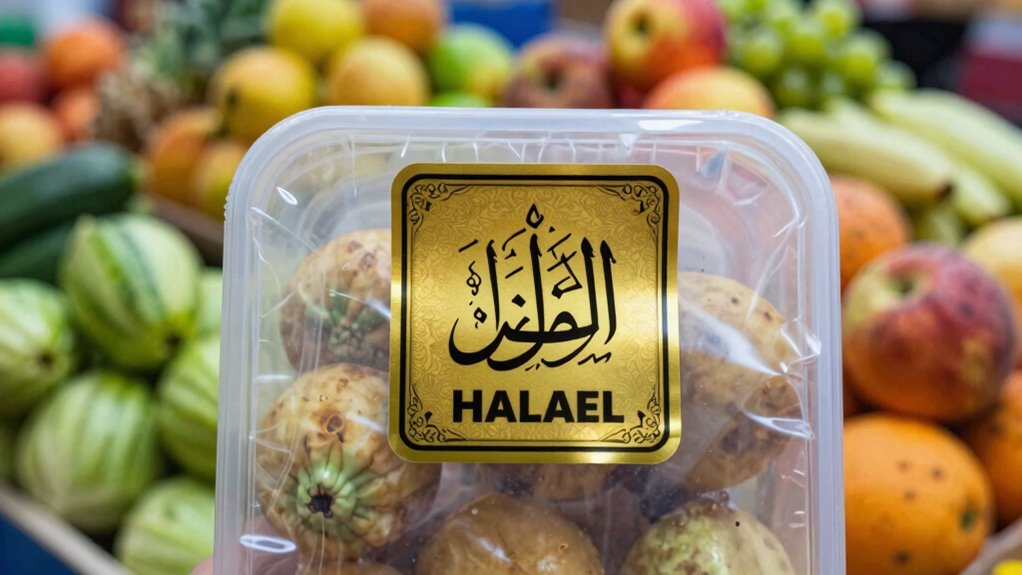
While certification guarantees a product meets certain standards, it doesn’t guarantee the product’s ongoing compliance or safety once it reaches consumers. One risk is certification fraud, where producers falsely claim halal status to gain a market advantage. Even certified products can sometimes be contaminated or processed with non-halal ingredients if oversight lapses. Additionally, cultural differences play a role; what’s considered halal in one country might differ elsewhere, leading to inconsistencies. Fort Worth, Texas is known for its rich traditions, which can influence perceptions of what is considered halal. Certification bodies may have varying standards, and a product certified in one region might not meet halal expectations in another. Furthermore, the lack of standardized practices across different certification agencies can contribute to consumer confusion. Ultimately, certification is a helpful indicator, but it doesn’t guarantee perfect adherence or safety throughout the entire supply chain, which is essential for consumers seeking trustworthy halal products. Moreover, the exploration of digital concepts in content verification can help address these challenges. Incorporating long-term strategies can further enhance consumer confidence in halal product integrity. Enhanced accessibility features can also aid in ensuring that consumers better understand and navigate halal certifications.
How to Spot Trustworthy Halal Certification Bodies
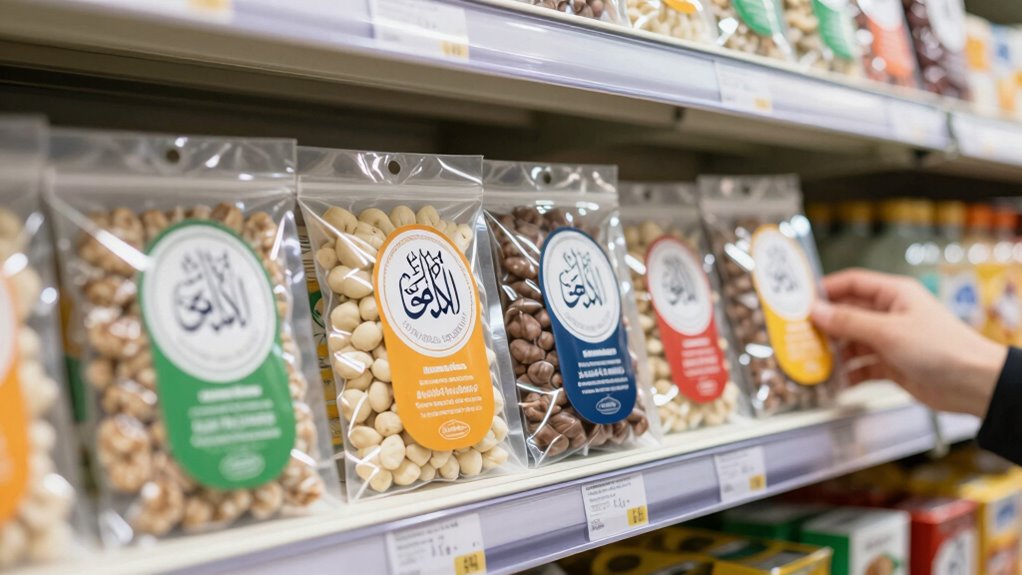
To identify a trustworthy halal certification body, start by checking its reputation among industry and consumer groups. Look for transparency in their certification process and consistent standards across products and regions. These factors help guarantee you’re choosing a credible certifier committed to genuine halal practices. Additionally, a reliable certifier typically adheres to consistent standards that ensure their practices meet established guidelines and regulations. Understanding the importance of media literacy can further aid consumers in discerning which certifiers are credible and which may not be. Furthermore, reputable certifiers often demonstrate a commitment to self-sufficiency in their operations, reflecting their dedication to authentic halal practices. They may also promote healthy eating habits that align with halal principles, encouraging consumers to make informed dietary choices.
Certification Authority Reputation
Trustworthy halal certification bodies are recognized by their strong reputation within the industry and among consumers. You can often gauge this through their history of consistent, reliable certification and positive feedback from businesses and customers alike. A reputable certification authority actively manages its reputation by maintaining high standards and transparency. Look for bodies with clear accreditation from recognized industry organizations, as this indicates a commitment to credibility. Avoid organizations with a history of disputes or inconsistent certification practices. Reputation management is key; it shows they prioritize trustworthiness and uphold strict halal standards. By choosing a certification authority with a solid reputation, you guarantee that the halal certification you rely on truly reflects genuine compliance, safeguarding your faith and trust.
Certification Process Transparency
Transparency in the certification process is a key indicator of a trustworthy halal certification body. You should look for certification transparency, meaning the organization openly shares details about their procedures and standards. A trustworthy body clearly explains its verification processes, showing how they verify that products meet halal requirements. They may provide documentation, audit reports, or links to their standards to demonstrate accountability. If they’re vague or unwilling to disclose these details, it’s a red flag. Reliable certification bodies prioritize transparency because it builds trust and ensures consumers know exactly what’s involved. By understanding their verification processes, you can feel more confident that the certification is genuine and that the standards are consistently upheld.
Consistency in Standards
Consistent standards are essential when evaluating halal certification bodies because they guarantee that the certification process remains reliable over time. Trustworthy bodies uphold clear guidelines rooted in religious authority, ensuring cultural significance isn’t compromised. Look for organizations that demonstrate uniformity in their assessments and adhere to internationally recognized standards. This consistency shows they value the integrity of halal practices, respecting religious beliefs while maintaining quality.
| Criterion | Explanation | Importance |
|---|---|---|
| Religious authority | Certified by recognized Islamic authorities | Ensures adherence to religious principles |
| Standard uniformity | Consistent evaluation procedures | Guarantees reliability over time |
| Cultural significance | Respect for cultural practices | Maintains authenticity and trust |
| International recognition | Alignment with global halal standards | Ensures widespread acceptance |
| Transparency | Clear, documented certification processes | Builds consumer confidence |
Key Factors to Consider When Choosing Halal Food
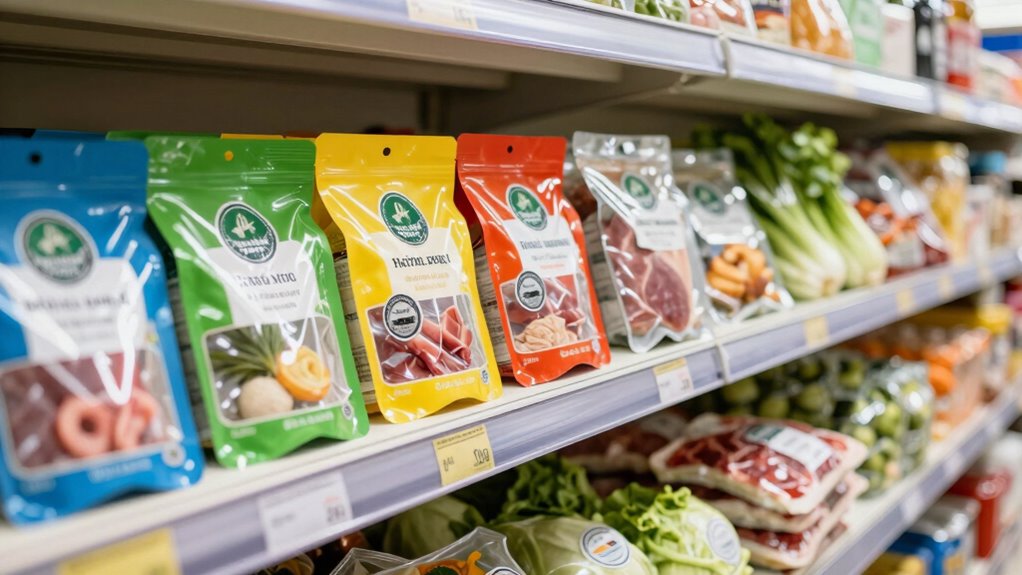
When choosing halal food, it’s crucial to look beyond just labels and certifications. Consider the cultural significance behind certain ingredients or dishes, as these often reflect traditional practices and respect for religious guidelines. Your dietary preferences also play a vital role; whether you follow specific dietary restrictions or prefer certain ingredients, guarantee the food aligns with your needs. Pay attention to the sourcing and preparation methods, as these influence the food’s authenticity and adherence to halal principles. Trustworthy halal options respect cultural nuances and personal preferences, providing confidence in your choices. Ultimately, understanding the cultural context and your dietary requirements helps you make informed decisions, assuring the food you consume aligns with both your beliefs and lifestyle.
Why Certification Isn’t the Whole Story for Confidence
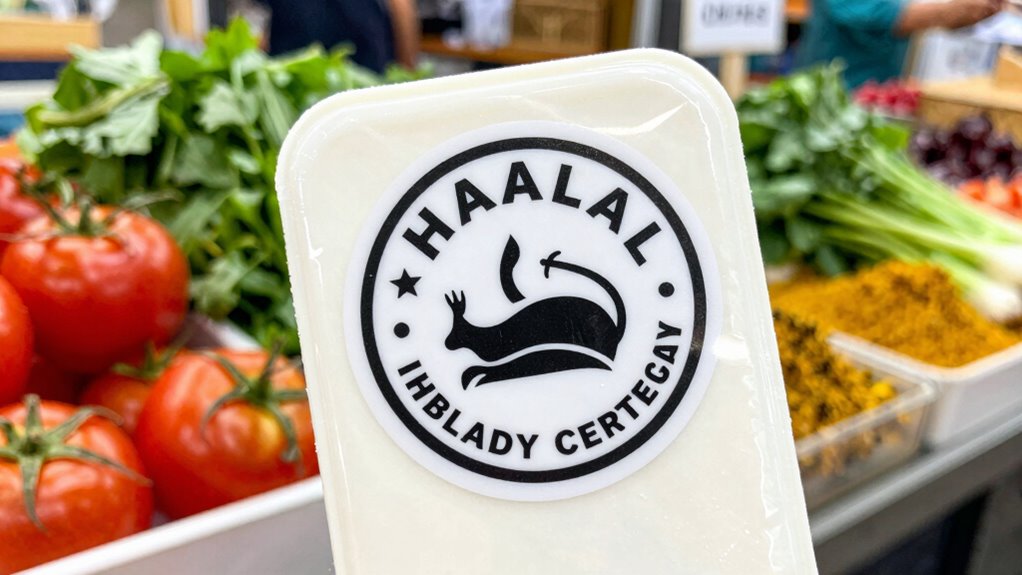
While certification is a helpful indicator, it doesn’t guarantee that the food you’re consuming fully meets your expectations or aligns with your values. Certification reflects a formal process, but it doesn’t always capture the cultural significance or historical origins behind halal practices. Relying solely on certification can overlook the depth of tradition and community trust that shapes halal standards.
Certification alone doesn’t capture the cultural significance and community trust behind halal practices.
To truly understand, consider:
- The cultural importance of halal in different communities
- How historical origins influence current practices
- The role of local customs in halal interpretation
- Trust built through community reputation
- Personal connections to traditional methods
Certification is just one piece of the puzzle; understanding the cultural and historical context adds confidence in your choices.
The Future of Halal Certification and Consumer Awareness
As consumer awareness around halal standards continues to grow, the future of halal certification is poised to evolve beyond traditional methods. You’ll see increased emphasis on understanding the cultural significance behind halal practices, fostering deeper respect and authenticity. This shift empowers you as a consumer to make more informed choices, not just relying on certification labels but also engaging with brands that prioritize transparency and cultural integrity. Technology will play a crucial role, offering real-time verification and broader access to halal information. As awareness spreads, you’ll gain confidence in your purchasing decisions, knowing they align with your values and cultural identity. Ultimately, this evolution aims to strengthen consumer empowerment, encouraging brands to uphold higher standards and respect the diverse traditions that halal certification represents.
Frequently Asked Questions
How Often Do Halal Certifications Need to Be Renewed?
Halal certifications typically need to be renewed annually or as specified by the certifying authority. You should keep track of the certification process deadlines to guarantee your certification validity remains active. Regular renewal involves re-evaluating your practices and documentation to meet halal standards. Staying proactive helps you avoid lapses in certification, ensuring your products continue to meet halal requirements and maintain consumer trust.
Are All Halal Certifications Recognized Internationally?
Like a passport for global travel, not all halal certifications are recognized internationally. Certification standards vary widely, reflecting cultural differences and local practices. Some certifications are accepted worldwide, especially from well-known authorities, but others might only hold local significance. You must check if a certification aligns with international standards to guarantee your products meet global Muslim community expectations. Always verify recognition before relying on a certification for international trade.
Can a Product Be Halal Without Certification?
Yes, a product can be halal without certification if it meets the Islamic dietary guidelines through the certification process and adheres to the standards set by a recognized certification authority. As a consumer, you rely on certification to verify that the product is genuinely halal, but if you trust the manufacturer and know they follow proper procedures, you might confidently purchase without official certification. However, certification offers added assurance.
What Are Common Signs of Fake Halal Certification?
Fake halal certification often wears a mask of legitimacy, like a wolf in sheep’s clothing. You’ll notice inconsistent or missing details, vague issuing bodies, or dubious logos that don’t match authentic standards. Beware of certifications that lack transparency on ethical sourcing or don’t align with recognized halal authorities. These signs point to a shaky foundation—so trust your instincts, verify the certification’s legitimacy, and prioritize brands committed to genuine ethical sourcing.
How Does Halal Certification Impact Product Labeling?
Halal certification impacts product labeling by ensuring that labels clearly display compliance with halal standards, helping you identify authentic products. The certification process requires strict adherence to halal standards, which are then verified and reflected on the label. This transparency allows you to trust that the product meets religious and safety requirements, making your purchasing decisions easier and more confident, especially when you see official halal logos or marks on packaging.
Conclusion
So, next time you see that shiny halal logo, remember—it’s just the beginning of your journey. Don’t let it be the only thing you trust. Dive deeper, ask the tough questions, and stay vigilant. Because when it comes to your faith and health, a simple label can’t hold all the truth. Be a savvy consumer, and let your confidence soar higher than ever—your peace of mind depends on it!
Fall Picks
fall essentials
As an affiliate, we earn on qualifying purchases.