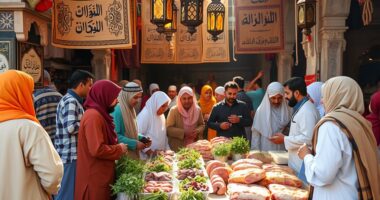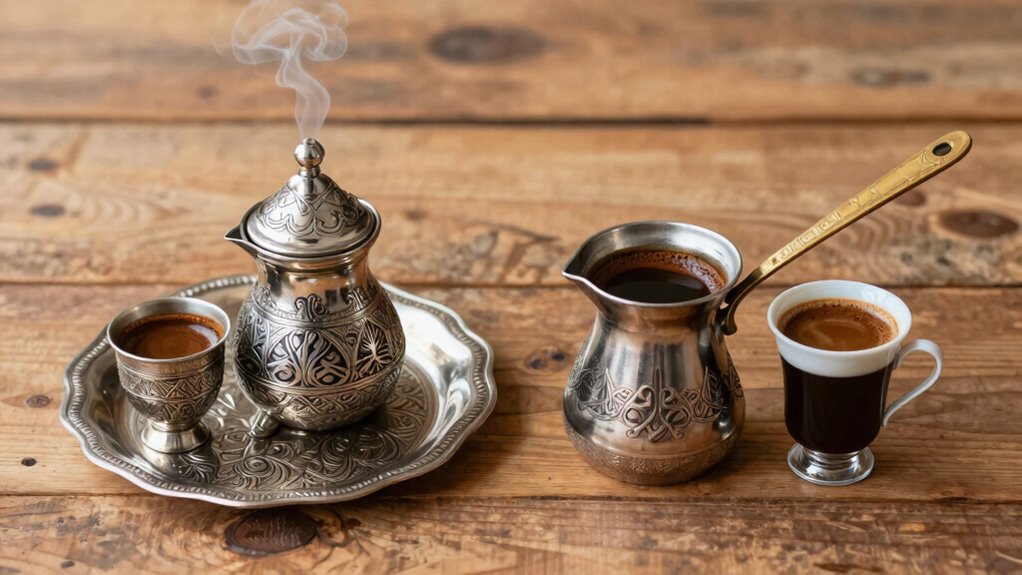

Arabic and Turkish coffees are more than just beverages; they’re tied deeply to social and cultural traditions. Arabic coffee is often brewed with spices like cardamom and served in small cups, symbolizing hospitality and respect. Turkish coffee is darker, thicker, and brewed slowly in a cezve, emphasizing strength and ritual. Both customs foster connections and community pride. If you want to explore how these traditions shape identities, keep exploring their rich cultural stories.

Get kitchen staples and gadgets delivered free with Prime
- Fast, free delivery on millions of items
- Prime Video, Amazon Music and more included
- Member-only deals all year
Key Takeaways
- Arabic coffee uses coarser grounds, is lightly roasted, and infused with spices like cardamom, emphasizing aromatic and ritual significance.
- Turkish coffee employs very fine grounds, darker roasting, and is boiled multiple times for a thick, strong flavor.
- Serving Arabic coffee in small cups with dates symbolizes hospitality; Turkish coffee is enjoyed slowly, often with sugar or water.
- Both cultures view coffee as a symbol of social bonding, respect, and community, with distinct preparation and presentation rituals.
- Regional variations and modern brewing technology enhance traditional practices, reflecting cultural identity and social values.
As an affiliate, we earn on qualifying purchases.
What Are the Cultural Significance and Rituals of Arabic and Turkish Coffee?
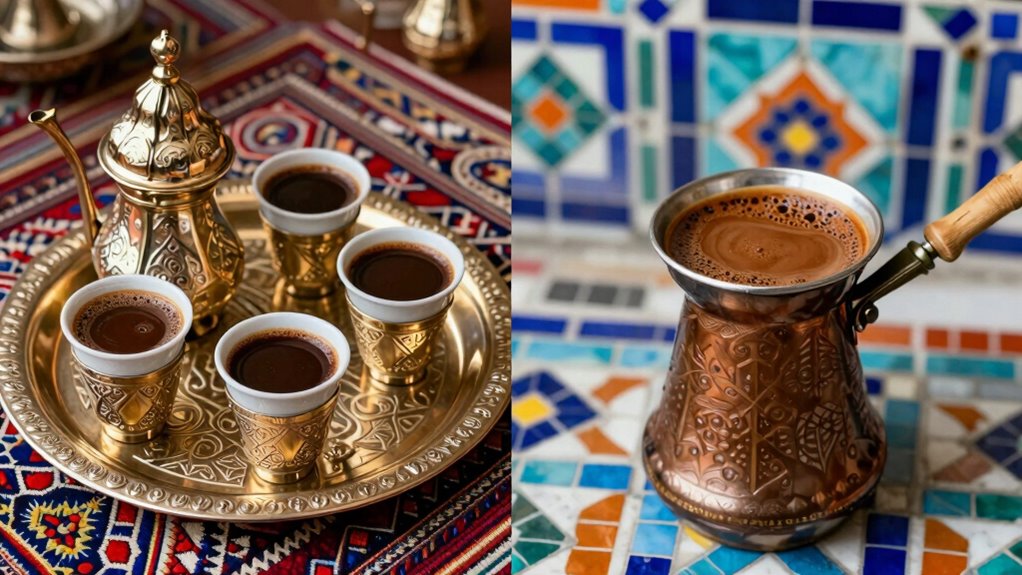
Arabic and Turkish coffees hold deep cultural significance, serving as more than just a way to enjoy a warm drink—they embody hospitality, tradition, and social connection. The coffee aroma plays a crucial role, filling spaces with a welcoming scent that signals an invitation to gather. Ritual symbolism is woven into every step, from serving to drinking, reflecting respect and friendship. In Arab culture, offering coffee symbolizes generosity, while in Turkish tradition, it marks important social moments and ceremonies. The act of pouring, serving, and sipping becomes a meaningful gesture that strengthens bonds. These rituals create a sense of continuity, reminding you of shared history and communal values. Coffee isn’t just a beverage; it’s a cultural language that connects people across generations.
How Are Arabic and Turkish Coffees Made?

Preparing Arabic and Turkish coffees involves distinct techniques that reflect their rich traditions. For both, the process begins with selecting the right beans, which are typically roasted differently to achieve unique flavors—Arabic coffee often uses lighter roasting, emphasizing a more aromatic profile, while Turkish coffee may feature a darker roast for a bolder taste. The coffee preparation techniques also differ: Turkish coffee is ground very finely, almost to a powder, and brewed slowly in a cezve or ibrik with water and sugar if desired, then boiled multiple times. Arabic coffee, on the other hand, uses a coarser grind and is prepared in a special pot called a dallah, where the coffee is simmered gently and often infused with spices like cardamom. Additionally, the cultural significance of coffee in both regions highlights its role in social rituals and gatherings, where the preparation techniques are often passed down through generations. Interestingly, the growth of coffee beans is influenced by climate and soil conditions, contributing to the unique taste profiles of each coffee type. Moreover, digital content plays a crucial role in sharing these rich traditions across cultures, enhancing the appreciation of unique coffee-making techniques. The popularity of return policies in retail can also reflect cultural norms, just as coffee traditions do.
How Do You Serve and Enjoy Arabic vs Turkish Coffee?

When it comes to serving and enjoying these coffees, the experience is deeply rooted in their cultural traditions. The coffee presentation plays a crucial role—you might serve Arabic coffee in small cups with a side of dates, emphasizing hospitality and elegance. Turkish coffee, on the other hand, is often presented in a tiny, long-handled cup called a cezve, with a sugar cube or glass of water nearby. As you sip, you’ll notice flavor differences: Arabic coffee tends to be more aromatic and lightly spiced, while Turkish coffee offers a richer, more intense taste with a thicker consistency. Both styles encourage slow, mindful drinking, allowing you to savor the unique nuances and appreciate the cultural significance behind each method. Additionally, the emphasis on hospitality in Arabic coffee rituals reflects a broader cultural practice of warmth and generosity in social interactions. To enhance your experience, consider using essential home tips to create a clean and inviting space for coffee enjoyment. Understanding the importance of targeted messaging can further enrich your coffee-serving experience, ensuring that each cup is enjoyed within the right context and atmosphere. Moreover, enjoying coffee outdoors can parallel the unique camping experiences found in nature, enhancing the overall ambiance and relaxation. Incorporating herbal remedies into your routine can also complement the calming effects of coffee, promoting a more holistic approach to well-being.
Where Are These Coffee Traditions Popular, and How Do They Vary?

These coffee traditions are especially popular in regions where cultural hospitality and social gatherings play a central role, such as the Middle East and Turkey. You’ll notice that coffee brewing techniques vary: Arabic coffee is prepared with finely ground beans boiled gently to preserve delicate flavors, resulting in a light, aromatic coffee. Turkish coffee, on the other hand, uses very finely ground beans cooked quickly in a cezve, producing a strong, thick brew with a rich coffee flavor profile. These differences influence how people enjoy their coffee, shaping social interactions and customs. While both traditions emphasize hospitality, each region’s unique brewing methods and flavor profiles reinforce cultural identity, making these coffee traditions an essential part of their social fabric. Additionally, the preparation of coffee often involves innovative technology offerings that enhance the brewing experience and reflect modern influences on traditional practices. Understanding cycling skills can also help cultivate an appreciation for the meticulous care involved in both brewing coffee and maintaining gear. Moreover, the choice of creative and gaming gear can significantly elevate the coffee experience, particularly for those who enjoy brewing at home or during social gatherings. In both cases, the use of prosumer espresso machines can elevate the quality of the brew, showcasing the precision and artistry involved in crafting the perfect cup.
How Do Coffee Customs Shape Social Identity in the Middle East and Mediterranean?

Have you ever wondered how coffee customs shape the social fabric of the Middle East and Mediterranean? Coffee symbolizes hospitality and respect, playing a key role in social bonding. When you’re invited to share coffee, it’s more than just a drink—it’s a gesture of friendship and trust. Serving coffee often marks important social interactions, from welcoming guests to resolving conflicts. The way you partake in coffee rituals reflects community values and personal identity. These traditions foster a sense of belonging and reinforce cultural heritage. Whether it’s Arabic coffee or Turkish coffee, each cup acts as a vessel for social cohesion. By engaging in these customs, you become part of a shared history that strengthens relationships and cultural pride. Additionally, the preparation of coffee often involves specific brewing techniques, which enhances the overall experience and showcases cultural uniqueness. Understanding these social bonding mechanisms can deepen our appreciation of how coffee rituals contribute to community ties. For instance, traditional coffee preparation methods often involve high-quality ingredients that elevate the taste and signify a commitment to hospitality. Moreover, the communal aspect of coffee drinking echoes the importance of effective preparation in creating memorable experiences. In many cultures, sharing coffee also serves as a healing practice that fosters emotional connections and supports community resilience.
Frequently Asked Questions
What Are the Historical Origins of Arabic and Turkish Coffee Traditions?
You’ll find that Arabic and Turkish coffee traditions both trace back centuries, rooted in the ancient coffee ceremony‘s ritual significance. Arabic coffee, often linked to Bedouin culture, emphasizes hospitality and communal bonding during the ritual. Turkish coffee’s origins, dating to the Ottoman Empire, highlight a refined, social experience. Both traditions carry deep cultural importance, shaping social interactions and symbolizing warmth, friendship, and respect through their unique coffee ceremonies.
How Do the Flavor Profiles Differ Between Arabic and Turkish Coffee?
Think of flavor profiles as a symphony—Arabic coffee offers warm, aromatic notes with a hint of cardamom, while Turkish coffee delivers a bold, intense taste with earthy undertones. Their distinct brewing techniques shape these flavor nuances; Arabic coffee is often lightly roasted and brewed slowly, emphasizing delicate aromas. Turkish coffee’s fine grind and quick boil extract robust, full-bodied flavors, making each sip a unique experience.
Are There Specific Occasions for Serving Arabic or Turkish Coffee?
You serve Arabic coffee during welcoming occasions, such as family gatherings or social visits, following traditional coffee etiquette that emphasizes hospitality. Turkish coffee is typically prepared for special moments like celebrations, or when you want to enjoy a leisurely conversation. Serving customs often involve presenting the coffee with a glass of water, and it’s customary to wait for guests to finish before offering more, respecting their pace and preferences.
What Equipment Is Traditionally Used to Prepare Each Coffee Style?
Imagine uncovering the secret to authentic flavor—your coffee brewing methods and serving vessel styles. For Arabic coffee, you’ll need a traditional dallah, a sleek, long-handled pot, perfect for slow brewing. Turkish coffee demands a cezve, a small, long-handled pot that creates thick, rich coffee. These vessels aren’t just tools—they’re essential to the ritual, capturing the essence of each tradition and elevating your coffee experience.
How Do Modern Coffee Trends Influence These Traditional Practices?
Modern coffee trends influence traditional practices by blending classic brewing methods with contemporary techniques. You might see Arabic and Turkish coffee prepared with modern brewing appliances, like espresso machines or pour-over setups, altering traditional coffee etiquette. While some purists prefer sticking to age-old methods, others embrace these innovations for convenience and flavor. This fusion creates a dynamic coffee culture, allowing you to enjoy both authentic traditions and modern tastes simultaneously.
Conclusion
So, next time you sip on Arabic or Turkish coffee, remember you’re tasting more than just a brew—you’re experiencing centuries of tradition, culture, and social bonding. Whether you’re enjoying a modern café or a historic hammam, these coffee customs connect you to a rich history that’s as timeless as a sultan’s court or a bustling souk. Embrace the ritual, and savor each sip like it’s a secret from the past, waiting to be shared in the present.
NFL season / tailgating Picks
team gear
As an affiliate, we earn on qualifying purchases.