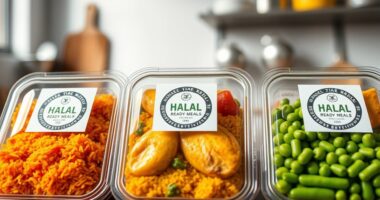

Halal certification means products meet Islamic dietary laws, ensuring no prohibited ingredients like pork or alcohol are included. It also requires humane slaughter practices for meat and promotes ethical production. When you choose halal-certified items, you support a commitment to quality and responsible sourcing. This certification isn't just for Muslims; many non-Muslims appreciate it for the perceived higher standards it represents. Want to learn more about the benefits and scope of halal certification?
Halal Certified: What Does It Really Mean? 60-Second Guide
Halal Certified Guide
Have you ever wondered what halal certification really means? It's more than just a label; it's a guarantee that products comply with Islamic dietary laws. These laws prohibit certain ingredients like pork, alcohol, and blood, while mandating humane slaughter practices for meat. If you're navigating the consumer market, understanding halal certification can help you make informed choices, whether you're Muslim or simply curious about ethical production.
Halal certification guarantees compliance with Islamic dietary laws, ensuring ethical production and humane practices.
When you see a halal certificate, it signifies that a product has undergone rigorous scrutiny. Accredited Islamic organizations carry out comprehensive inspections of production facilities, ingredient sourcing, and overall adherence to halal standards. This certification process ensures that every aspect of the production process aligns with Islamic laws. So, when you choose certified products, you can feel confident that they meet these important criteria.
The global halal market is rapidly expanding, projected to reach an astounding $4.5 trillion by 2030. This growth reflects a growing consumer demand for halal options. Interestingly, this demand isn't limited to just Muslims; non-Muslims are increasingly seeking out halal-certified products due to their perceived quality and ethical production practices. As a result, many industries, including food, cosmetics, and pharmaceuticals, are embracing halal certification to appeal to this diverse market.
Halal certification doesn't just apply to food. It extends to various sectors, ensuring compliance with Islamic laws across the board. For example, cosmetics and pharmaceuticals can also be halal-certified, meaning they don't contain any prohibited ingredients and are produced ethically. By including these products in your routine, you're not only supporting halal standards but also contributing to a larger movement towards conscious consumerism.
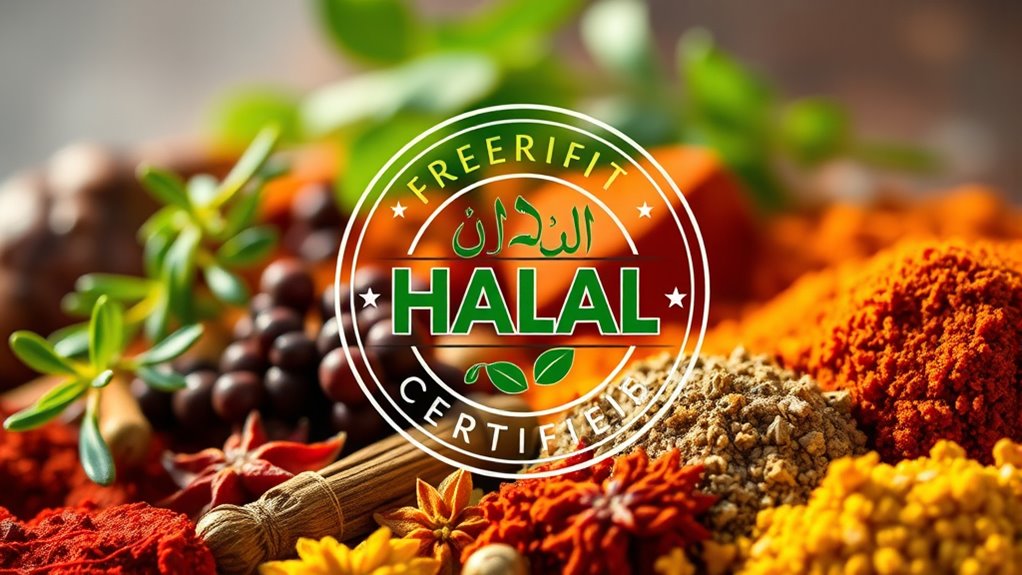
When shopping, look for products that display specific symbols or labels from recognized certification authorities. These labels enhance consumer trust, making it easier for you to identify what's truly halal. Understanding what halal certified means empowers you as a consumer, allowing you to make choices that align with your values and preferences. Additionally, the rise in demand for halal options reflects a broader trend towards ethical production practices across various industries.
Frequently Asked Questions
What Does It Mean to Be Halal Certified?
Being halal certified means a product meets specific Islamic dietary laws. It prohibits certain ingredients like pork and alcohol, ensuring humane treatment and proper slaughtering of animals.
When you see a halal certification symbol, it indicates the product has undergone rigorous evaluation, including facility audits and ingredient testing.
This certification isn't just for food; it also extends to cosmetics and pharmaceuticals, ensuring they align with Islamic principles for both Muslims and non-Muslims.
What Is the Difference Between Halal Friendly and Halal Certified?
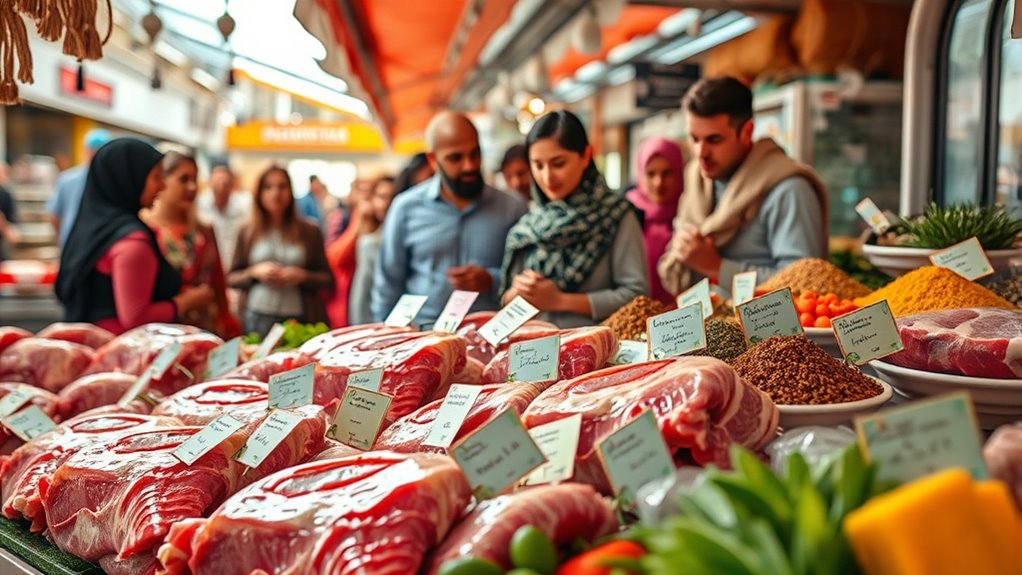
Imagine walking through a marketplace, where some products shine with a seal of trust, while others just glimmer in the light.
When you consider halal certified versus halal friendly, the difference is clear. Halal certified products undergo rigorous checks, ensuring they meet strict dietary laws.
On the other hand, halal friendly items may lack formal certification, providing less assurance about their ingredients and processing.
Choose wisely to align with your dietary needs and beliefs.
Does Halal Certified Mean Zabiha?
Halal certified doesn't automatically mean Zabiha.
While halal certification ensures compliance with Islamic dietary laws, Zabiha specifically refers to the method of slaughter.
You'll find some products labeled halal that don't meet Zabiha criteria, as they may not involve the traditional slaughtering process.
If you're seeking food that aligns with both halal standards and ethical treatment of animals, make sure to look for Zabiha certification specifically.
It's all about knowing the nuances!
What Is Halal a Guide for Non Muslims?
Have you ever wondered what halal really means? For non-Muslims, halal serves as a guide to understanding dietary practices in Islam.
It primarily refers to what's permissible, especially in food and drink. You'll notice that halal guidelines prohibit pork and alcohol, while ensuring humane treatment of animals during slaughter.
By familiarizing yourself with these principles, you can make informed choices, whether you're dining out or shopping for groceries.
It's all about respect and awareness!
As an affiliate, we earn on qualifying purchases.
Conclusion
In the world of halal certification, think of it as a lighthouse guiding you through a foggy sea of choices. It ensures that what you consume aligns with your values and beliefs, lighting the way to a more mindful lifestyle. By choosing halal-certified products, you're not just making a dietary choice; you're embracing a commitment to quality, ethics, and respect. So, let this beacon illuminate your journey, helping you navigate with confidence and clarity in every bite.