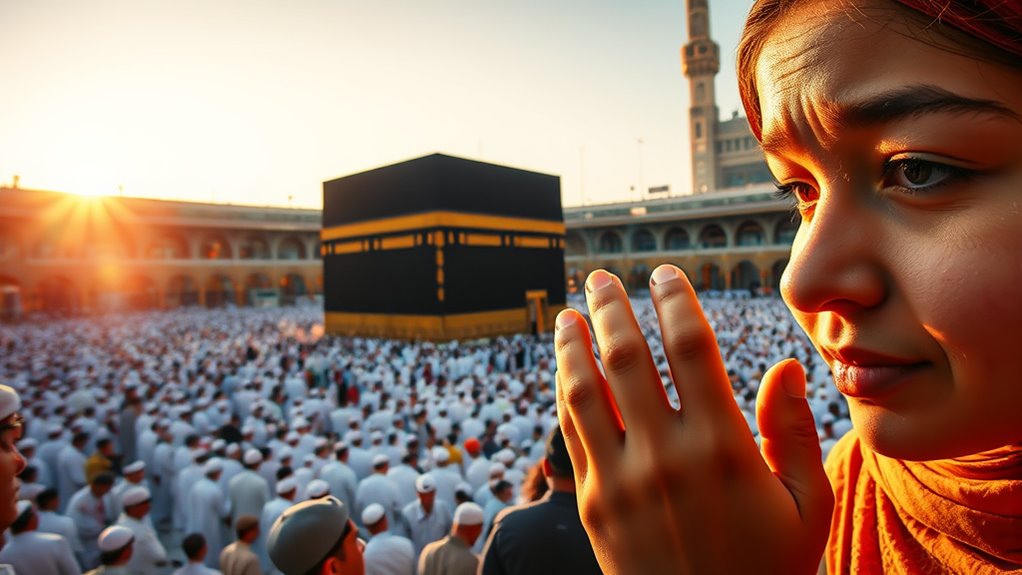

Hajj and Umrah are profound journeys for Muslims, connecting you with a global community and deepening your relationship with Allah. Through rituals like Tawaf, you’ll experience unity and spiritual renewal, while actions like Sa’i encourage reflection on faith and resilience. These pilgrimages offer personal transformation, helping you shed everyday burdens and emerge with a revitalized spirit. Discover how these sacred practices can impact your life in more meaningful ways.
Key Takeaways
- Hajj and Umrah connect Muslims globally, fostering a shared spiritual journey and collective purpose beyond borders and cultures.
- The rituals of Hajj and Umrah, like Tawaf and Sa’i, carry deep meanings that reinforce faith, resilience, and trust in Allah.
- Participating in Tawaf promotes unity among believers, enhancing the sense of belonging within the global Muslim community.
- The pilgrimage provides an opportunity for personal reflection, leading to spiritual growth and a renewed connection with Allah.
- The transformative experience of Hajj and Umrah influences daily life, emphasizing faith as an ongoing journey of personal development.

When you commence the journey of Hajj or Umrah, you’re not just participating in a set of rituals; you’re stepping into a profound spiritual experience that connects you to millions of Muslims worldwide. This pilgrimage is about more than just physical acts; it’s a unique opportunity for spiritual renewal and reflection. Each step you take, from donning the Ihram to circling the Kaaba, is rich with meaning and tradition, designed to deepen your relationship with Allah.
As you engage in the pilgrimage rituals, you’ll find that every action holds significance. The Tawaf, the act of walking around the Kaaba, symbolizes the unity of believers in the worship of the One God. You’ll feel the energy of those around you, all of you moving in harmony, echoing the essence of humanity’s collective purpose. This sense of belonging can be overwhelming, reminding you that you’re part of a global community that transcends borders and cultures.
The Sa’i, the ritual walking between the hills of Safa and Marwah, commemorates Hagar’s search for water for her son Ishmael. As you retrace her steps, you’ll likely feel a connection to the struggles and resilience of those who came before you, infusing your journey with a sense of purpose. This experience serves as a reminder of the importance of faith and trust in Allah, even in the face of adversity.
Throughout your pilgrimage, the act of prayer becomes more profound. You’ll find yourself in a state of heightened spirituality, reflecting on your life, your choices, and your relationship with the divine. This period of introspection is vital for spiritual renewal, allowing you to return home with a clearer mind and a more focused heart. It’s a chance to shed the burdens of daily life and reconnect with what truly matters.
As you complete your pilgrimage, you’ll carry the lessons learned and the experiences gained with you. The impact of Hajj or Umrah extends far beyond the rituals; it’s about transformation and growth. You’ll leave with not just memories, but a renewed spirit, ready to embrace life with a fresh perspective. This journey is a reminder that faith is an ongoing path, one that you can carry forward long after you return home, enriching your life and the lives of those around you. Additionally, engaging in rituals such as Tawaf can enhance your spiritual connection to the community and the divine.

SweetNeedle Premium Terry Weave Ihram for Men for Hajj & Umrah – Non-Stitched, Soft & Absorbent Fabric | Lightweight, Comfortable & Travel-Friendly | 100% Pure Combed Cotton Ehram Ahram Towels
Designed for Hajj & Umrah – Traditional non-stitched Ihram set suitable for pilgrims performing Hajj and Umrah.
As an affiliate, we earn on qualifying purchases.
As an affiliate, we earn on qualifying purchases.
Frequently Asked Questions
What Are the Main Differences Between Hajj and Umrah?
The main differences between Hajj and Umrah lie in their ritual differences and spiritual significance. Hajj is a mandatory pilgrimage performed during specific dates, while Umrah can be done anytime. Hajj requires more rituals and holds greater religious importance, as it’s one of the Five Pillars of Islam. In contrast, Umrah is a lesser pilgrimage that offers spiritual benefits but isn’t obligatory. Both journeys deepen your faith and connection to Allah.
Can Non-Muslims Perform Hajj or Umrah?
No, non-Muslims can’t perform Hajj or Umrah due to religious restrictions. These sacred rituals are exclusive to Muslims, who seek to fulfill their spiritual duties. If you’re interested in interfaith participation, you might explore other ways to engage with Islamic culture, such as attending community events or educational programs. This can deepen your understanding and respect for the beliefs and practices surrounding these important pilgrimage experiences.
How Do I Prepare Physically for Hajj?
To prepare physically for Hajj, start by establishing a solid physical fitness routine. Incorporate walking, jogging, and strength training to build endurance. Focus on hydration strategies by drinking plenty of water daily and avoiding caffeine. Gradually increase your activity level to mirror the demands of Hajj, like long walks and standing for extended periods. This preparation will help you stay energized and comfortable throughout your spiritual journey.
What Are the Costs Associated With Hajj and Umrah?
The costs associated with Hajj and Umrah can vary greatly. You’ll need to budget for accommodation expenses, which can range from budget hotels to luxury options. Don’t forget travel insurance, as it’s essential for unexpected events. Additionally, consider flight fares, transport within Saudi Arabia, meals, and any other personal expenses. Overall, planning your budget beforehand will help ensure a smooth pilgrimage experience without financial surprises.
Are There Any Specific Health Requirements for Pilgrims?
Yes, there are specific health requirements for pilgrims. While you might focus on spiritual readiness, don’t overlook the importance of health. Vaccination requirements, like those for meningitis, are essential, ensuring your safety and that of others. Additionally, familiarize yourself with sanitization protocols, which are critical in crowded areas. Balancing your physical health with spiritual preparation enhances your pilgrimage experience, helping you stay safe and focused on the journey ahead.

Vdaxvme Portable Muslims Prayer Rugs Pilgrimages Prayer Mat Soft Worship Kneel Floor Carpet Travel Islamic Prayings Blanket
Suitable for use in various setting, whether home and while traveling.
As an affiliate, we earn on qualifying purchases.
As an affiliate, we earn on qualifying purchases.
Conclusion
In conclusion, embracing the essence of Hajj and Umrah enriches your spiritual journey. These sacred pilgrimages serve as a powerful reminder of devotion, discipline, and community. As you endeavor to strengthen your faith and seek serenity, remember that each step brings you closer to your purpose. So, seize the opportunity, savor the experience, and share the significance of these spiritual sojourns with others. Let your heart harmonize with hope and holiness on this heartfelt path.

My Umrah Journal & Complete Pilgrimage Planner: Step-by-Step Ritual Guide, Tawaf & Sa'i Tracker, Zamzam Intention, Ihram Rules, Madinah Arba'een Log, Budget Planner, Daily Reflection Pages & Post
As an affiliate, we earn on qualifying purchases.
As an affiliate, we earn on qualifying purchases.

Landical 8 Set Ramadan Eid Gifts Islamic Prayer Beads Muslim Party Favors Pearl Prayer Beads Islamic Wedding Gifts for Ramadan Eid Tasbih Hajj Umrah Baby Shower for Women Men(Blue)
Elegantly Packaged Islamic Gifts: the package includes 8 sets of stunning muslim prayer beads that are laser-crafted to…
As an affiliate, we earn on qualifying purchases.
As an affiliate, we earn on qualifying purchases.