
In Islamic tradition, faith-based self-care practices focus on nurturing both your body and soul. Ramadan fasting promotes discipline, self-reflection, and gratitude, helping you appreciate life’s blessings. Engaging in meditation and dhikr encourages mindfulness, offering inner peace amidst chaos. These practices emphasize the importance of integrating spiritual and physical well-being, making self-care essential to a fulfilling life. To explore more about these transformative practices, you’ll find further insights waiting for you.

Get kitchen staples and gadgets delivered free with Prime
- Fast, free delivery on millions of items
- Prime Video, Amazon Music and more included
- Member-only deals all year
Key Takeaways
- Ramadan fasting promotes self-discipline, detoxification, and spiritual growth, fostering a deeper connection with faith and appreciation for daily blessings.
- Islamic meditation, through dhikr and contemplation, encourages mindfulness and inner peace, enhancing the spiritual journey amidst life’s chaos.
- Regular practice of meditation and reflection aligns thoughts with spiritual beliefs, contributing to overall mental and emotional well-being.
- Faith-based self-care integrates physical and spiritual health, emphasizing that nurturing oneself is essential for a fulfilling and meaningful life.
- Engaging in gratitude and recognizing simple blessings during Ramadan cultivates awareness and enhances one’s self-care practices within Islamic tradition.
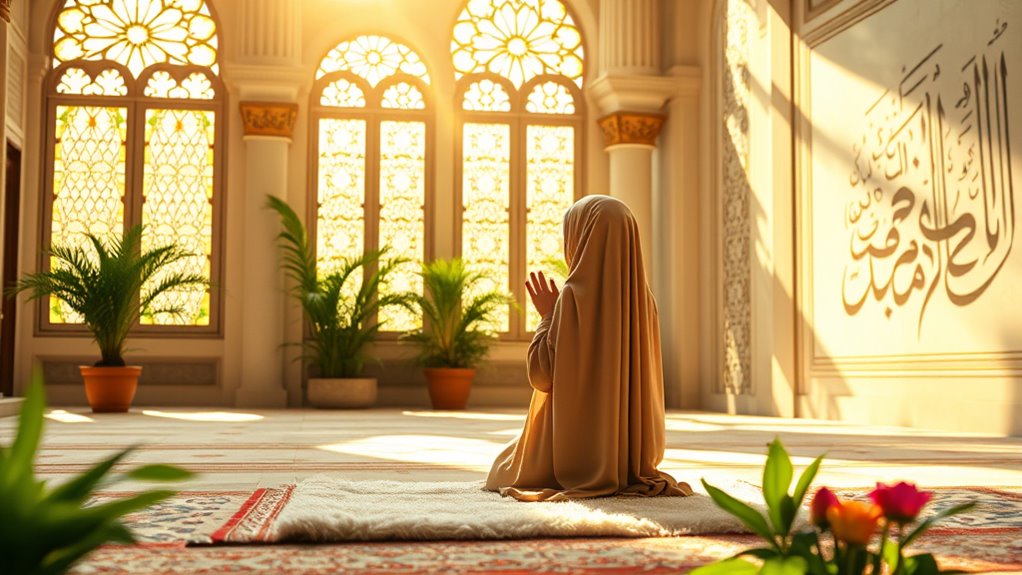
While you may think of self-care as a modern concept, Islamic tradition has long emphasized the importance of nurturing both the body and soul. Engaging in practices that promote physical and spiritual well-being can lead you to a more balanced and fulfilling life. One of the core elements of this tradition is Ramadan fasting, a practice that not only cultivates discipline but also fosters a deeper connection with your faith. During this holy month, you abstain from food and drink from dawn until sunset, which encourages self-reflection and gratitude. You learn to appreciate the simple blessings you often take for granted, and this heightened awareness can serve as a powerful form of self-care.
In addition to the physical benefits of fasting—such as detoxification and improved health—Ramadan provides an opportunity for spiritual growth. As you engage in prayer and reflection, you may find that your mind becomes clearer and your heart more open. This is where Islamic meditation comes into play. Although it might not be as widely recognized as other forms of meditation, it holds profound significance in your spiritual journey. You can practice Islamic meditation through various means, such as focusing on the Quranic verses or engaging in dhikr, the remembrance of Allah. These practices encourage mindfulness and can help you cultivate inner peace amidst the chaos of daily life.
By setting aside time each day for meditation, you allow yourself to reconnect with your essence. You can find a quiet space, close your eyes, and focus on your breath while repeating meaningful phrases or contemplating the teachings of Islam. This practice not only calms your mind but also aligns your thoughts with your spiritual beliefs. The more you engage in Islamic meditation, the more you’ll notice its positive influence on your overall well-being. Additionally, incorporating visualization techniques into your meditation can enhance your ability to align with desired realities.
Integrating these faith-based self-care practices into your daily routine can lead to a holistic approach to health. As you embrace Ramadan fasting and Islamic meditation, you strengthen your connection to your faith while simultaneously nurturing your body and soul. Remember, self-care isn’t selfish; it’s a necessary component of a fulfilling life. By prioritizing your spiritual and physical health, you pave the way for a more meaningful existence, allowing you to contribute positively to your community and the world around you.
As an affiliate, we earn on qualifying purchases.
Frequently Asked Questions
How Do Islamic Self-Care Practices Differ From Other Religious Traditions?
Islamic self-care practices differ from other religious traditions primarily through their emphasis on spiritual rituals and specific dietary guidelines. You’ll find that daily prayers and fasting during Ramadan focus on spiritual growth, while dietary laws like halal promote health and mindfulness. Other traditions may prioritize meditation or different dietary restrictions, but Islam uniquely intertwines these aspects, ensuring that both the body and soul are nurtured through its extensive approach to well-being.
Are There Specific Prayers for Mental Health in Islam?
You’ll find that Islam encourages specific prayers for mental health, especially during tough times. One powerful prayer for anxiety is the “Dua for relief,” which invokes Allah’s mercy and guidance. You can also engage in mental health supplications like “Hasbunallahu wa ni’mal wakeel,” reminding you that Allah is sufficient for you. These prayers can help alleviate stress, foster a sense of peace, and connect you deeper with your faith during challenging moments.
Can Non-Muslims Practice Islamic Self-Care Techniques?
Yes, non-Muslims can practice Islamic self-care techniques, but it’s essential to approach them with cultural sensitivity and respect. You can incorporate mindfulness, meditation, and prayer techniques into your routine, focusing on your personal intention behind the practice. By appreciating the cultural significance of these techniques, you can benefit from their positive effects on mental well-being while honoring their origins. Just guarantee your approach is respectful and aligned with your values.
What Role Does Community Play in Islamic Self-Care?
Imagine a warm circle of friends, laughter echoing like music. In Islamic self-care, community plays a vital role. You find strength and comfort in community support, where shared experiences foster collective healing. When you gather for prayers or discussions, the bonds deepen, and you uplift one another. This connection nurtures your well-being, reminding you that you’re never alone on your journey. Together, you cultivate a space for growth, understanding, and spiritual nourishment.
How Can I Incorporate Islamic Self-Care Into a Busy Lifestyle?
To incorporate Islamic self-care into your busy lifestyle, start with mindfulness meditation. Even just five minutes daily can help you center your thoughts and connect with your spirituality. Also, practice daily gratitude by reflecting on three things you’re thankful for each day. This can be done during your morning routine or before bed. By integrating these simple practices, you’ll enhance your well-being and maintain your faith, even amidst a hectic schedule.
Conclusion
Incorporating faith-based self-care practices into your daily life can markedly enhance your well-being. For instance, consider Amina, who found solace and rejuvenation through regular prayer and mindfulness. By dedicating time to connect with her spirituality, she managed to reduce her stress and improve her mental clarity. Embracing these practices not only nurtures your soul but also fosters resilience in facing life’s challenges. Ultimately, integrating faith into self-care can lead to a profound transformation in how you navigate your world.
NFL season / tailgating Picks
team gear
As an affiliate, we earn on qualifying purchases.