
The Silk Road’s culinary journey transformed global cuisine, connecting East and West through a vast network of trade routes. You’ll discover how spices, cooking techniques, and ingredients exchanged hands, enriching local kitchens and cultures. From the evolution of noodles into pasta to the introduction of fruits like apricots and peaches, every meal you enjoy today reflects centuries of shared heritage. There’s so much more to explore about this fascinating culinary history.
Key Takeaways
- The Silk Road facilitated the exchange of spices, ingredients, and cooking techniques between Eastern and Western cultures, transforming global cuisines.
- Spices like cinnamon and saffron became treasures in medieval markets, enhancing flavors and reflecting cultural stories.
- Noodles from China evolved into pasta in Europe, showcasing the culinary evolution influenced by trade routes.
- Agricultural knowledge exchanged through the Silk Road increased crop diversity and introduced new ingredients to local cuisines.
- The culinary legacy of the Silk Road represents centuries of cultural interactions, enriching modern dining experiences with historical significance.
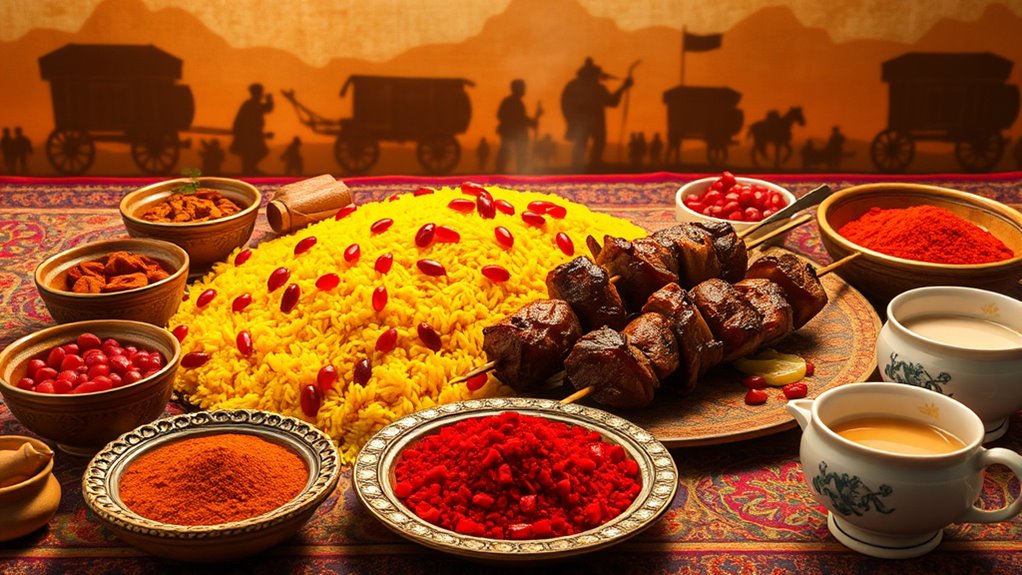
How did the ancient trade routes shape the flavors we enjoy today? The Silk Road, a vast network of trade routes that connected East and West, played a pivotal role in transforming culinary traditions. As merchants and travelers set out on journeys across deserts and mountains, they didn’t just exchange goods; they shared spices, cooking techniques, and recipes that would ultimately influence cuisines around the globe. You might not realize it, but every bite of food you take today carries echoes of those medieval trade interactions.
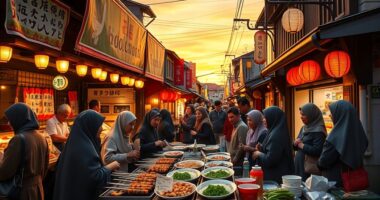
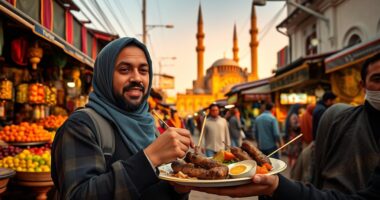
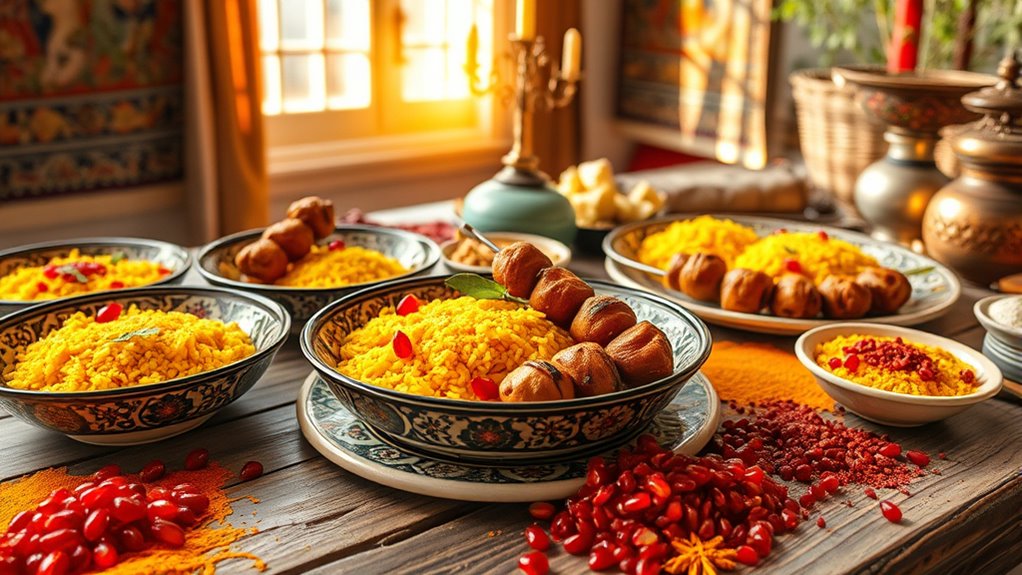
Imagine walking through a bustling marketplace in medieval times. You’d find spices like cinnamon, pepper, and saffron, which were once considered treasures, available to all who traveled the road. These ingredients didn’t just enhance flavor; they brought with them stories of distant lands. As you taste these spices in your favorite dishes, you’re experiencing a blend of cultures and histories that shaped what we now consider culinary staples. The influx of ingredients from the East enriched European kitchens, giving birth to new flavors and innovative cooking methods.
In medieval marketplaces, spices like cinnamon and saffron enriched dishes, weaving together diverse cultures and culinary traditions.
The culinary influences of the Silk Road didn’t stop at spices. Noodles, for instance, are believed to have traveled from China to the West, evolving into pasta as they crossed borders. When you enjoy a bowl of pasta today, you’re partaking in a tradition that dates back centuries, showcasing how interconnected our food heritage truly is. Similarly, fruits such as apricots and peaches made their way along these trade routes, introducing fresh tastes that would become beloved in various cuisines.
As traders exchanged not just goods, but ideas, they also spread agricultural techniques. You can thank this rich history for the diversity of crops available to you now. The exchange of knowledge about farming practices allowed communities to cultivate new ingredients, leading to a more varied and exciting culinary landscape. Every meal you share with friends or family is a tribute to these age-old exchanges.
In essence, the Silk Road was much more than a passage for silk and spices; it was a conduit for culture, creativity, and culinary evolution. Creating the perfect farmhouse bedroom ambience can enhance your dining experience, as the right atmosphere complements the flavors of the meal. So, the next time you savor a dish bursting with flavor, remember the ancient trade routes that made those flavors possible. Each taste is a reminder of the intricate tapestry of human history and connection that continues to delight our palates today.

Organic Saffron Threads by Banu Saffron – Award Winning All Red Certified Organic Grade A Saffron, Premium Crocus Sativus Gourmet Spice for Tea, Rice, Paella, Risotto & Cooking – 1 Grams (0.035 Ounce)
- Premium Organic Saffron Threads: All Red Grade A, hand-harvested
- Award-Winning Quality: Great Taste 2022 Award recipient
- Pure and Tested: Ensured purity, strength, and color
As an affiliate, we earn on qualifying purchases.
As an affiliate, we earn on qualifying purchases.
Frequently Asked Questions
What Are the Main Spices Used in Silk Road Cuisine?
In Silk Road cuisine, you’ll find a rich array of spices that create diverse flavor profiles. Key spices include cumin, coriander, and saffron, often blended into unique spice blends like za’atar and garam masala. These combinations enhance dishes with warmth and depth, making your meals more aromatic and exciting. As you explore this culinary landscape, you’ll discover how these spices transform simple ingredients into extraordinary flavors that delight the senses.
How Did Trade Routes Influence Cooking Techniques Along the Silk Road?
Trade routes wove a tapestry of cultures, each thread rich with flavor and technique. As you journeyed along these paths, you’d witness culinary innovations blossoming through cultural exchanges. Techniques like stir-frying from the east mingled with slow-cooking methods from the west, creating dishes that sang of history and connection. Each meal became a story, blending spices and methods, reminding you that cooking isn’t just about food; it’s about the shared human experience.
What Role Did Religion Play in Silk Road Culinary Practices?
Religion played a significant role in shaping culinary practices along the Silk Road. You’d encounter various religious dietary restrictions, dictating what people could and couldn’t eat. For example, Muslims adhered to halal, while Hindus often avoided beef. Sacred food rituals also emerged, influencing communal meals and celebrations. As you traveled these routes, you’d notice how these beliefs not only shaped what was cooked but also the way people shared and enjoyed their meals together.
Are There Modern Dishes Inspired by Silk Road Cuisine Today?
Yes, there are plenty of modern dishes inspired by Silk Road cuisine today. You’ll find fusion cuisines that blend traditional flavors with contemporary adaptations, like spiced lamb burgers with yogurt sauce or saffron-infused risottos. Street food vendors often offer dumplings filled with unique ingredients, reflecting the diverse influences from various cultures. Restaurants creatively combine spices and techniques from the Silk Road, making these ancient flavors accessible and exciting for today’s food lovers.
What Are Some Traditional Cooking Methods From the Silk Road Region?
When you think of the Silk Road, imagine a tapestry woven with diverse flavors and traditions. Traditional cooking methods from this region include techniques like drying, fermenting, and smoking, which symbolize the preservation of ingredients for long journeys. You’d find spices and herbs being sun-dried or meats cured with salt, ensuring they last. These time-honored practices not only enrich flavors but also tell stories of survival and culture in a vibrant culinary landscape.
Conclusion
As you explore the rich tapestry of the Silk Road’s cuisine, remember that over 1,500 spices and ingredients traveled along these ancient trade routes, blending cultures and flavors. This culinary exchange not only shaped regional dishes but also influenced global gastronomy. So, the next time you savor a dish with a hint of cinnamon or saffron, you’re tasting history! Embrace this delicious journey and let your palate travel through time.