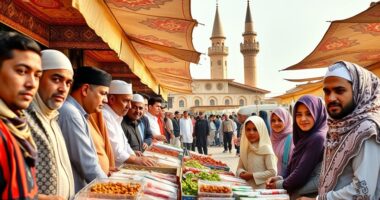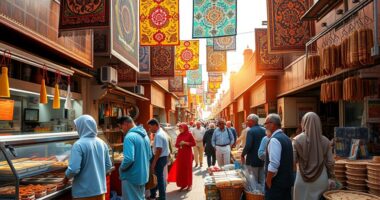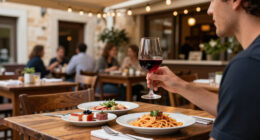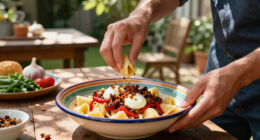
Halal cuisines of the Mediterranean, ranging from Morocco to Turkey, gift you with a rich palette of flavors. You’ll savor succulent meats, fresh vegetables, and aromatic spices. Each country boasts unique dishes and traditional spice blends, like the cumin and paprika of Moroccan tagines or za’atar in Turkish mezes. Fresh ingredients thrive in the sun-soaked climate, enhancing the culinary experience. As you explore further, you’ll discover more about the cultural significance and vibrant traditions behind these delicious cuisines.
Key Takeaways
- Mediterranean halal cuisines feature a diverse array of flavors, highlighting the culinary traditions from Morocco to Turkey.
- Traditional spice blends, such as cumin and za’atar, play a crucial role in enhancing dish flavors across the region.
- Fresh seafood is central to coastal Mediterranean cuisine, with techniques like salting and pickling preserving flavors and traditions.
- The region’s climate supports an abundance of fresh fruits and vegetables, essential for vibrant, healthy meals.
- Mediterranean halal cuisine serves as a cultural expression, reflecting local history, community values, and culinary heritage.

Have you ever tasted the vibrant flavors of Mediterranean halal cuisines? If you haven’t, you’re in for a delightful experience. The Mediterranean region offers a rich tapestry of flavors that span from Morocco to Turkey, and each country brings its unique culinary traditions to the table. When you think of Mediterranean halal dishes, you might imagine succulent meats, fresh vegetables, and aromatic spices, all of which come together in a harmonious blend.
One of the most fascinating aspects of these cuisines is their use of traditional spice blends. Think of the robust mix of cumin, coriander, and paprika in Moroccan tagines or the fragrant za’atar that adds depth to Turkish mezes. These spice blends not only elevate the taste but also reflect the region’s history and cultural exchanges. You might find yourself captivated by how these spices can transform simple ingredients into extraordinary meals. The beauty of Mediterranean halal cooking lies in its ability to balance flavors, making every bite a celebration of taste.
The magic of Mediterranean halal cuisine lies in its traditional spice blends, transforming simple ingredients into extraordinary culinary experiences.
Seafood also plays a pivotal role in Mediterranean halal cuisine, especially in coastal regions. The freshness of the catch is paramount, and you’ll often encounter seafood dishes that are both delicious and artfully presented. From grilled octopus to saffron-infused paella, the options are endless. What’s even more interesting are the seafood preservation techniques that have been passed down through generations. You can savor salted fish, pickled anchovies, or even preserved lemons, each adding a unique twist to the dishes you enjoy.
As you explore these cuisines, don’t forget to appreciate the role of fresh ingredients. The Mediterranean climate allows for a bounty of fruits and vegetables, which are often incorporated into meals. You’ll find salads bursting with color and flavor, drizzled with olive oil and sprinkled with herbs. Eating Mediterranean halal is not just about satisfying your hunger; it’s about experiencing a culture that values quality, freshness, and community.

Moroccan Spice Gift Set- Contains: 5 different spice jars (1 each of: Ground Cumin, Moroccan Rub, Turmeric, Cayenne Pepper and Moroccan Tagine Seasoning.)
- Includes 5 spice jars: Contains 5 different spice jars
- Variety of spices: Ground Cumin, Moroccan Rub, Turmeric, Cayenne, Tagine Seasoning
- Perfect for Moroccan recipes: Ideal for traditional Moroccan cooking
As an affiliate, we earn on qualifying purchases.
As an affiliate, we earn on qualifying purchases.
Frequently Asked Questions
What Is the Difference Between Halal and Kosher Diets?
Halal and kosher diets have distinct religious dietary distinctions. Halal allows certain foods as long as they meet Islamic guidelines, while kosher follows Jewish laws. Both require specific slaughter methods, but halal certification processes can vary by region and authority. For instance, halal permits greater flexibility in meat sources than kosher, which has stricter regulations on certain animals. Ultimately, understanding these differences can help you appreciate the cultural significance behind each diet.
Are There Vegetarian Halal Options in Mediterranean Cuisine?
Absolutely, you can find plenty of vegetarian halal options in Mediterranean cuisine! Coincidentally, many traditional dishes are plant-based, showcasing fresh vegetables, legumes, and grains. You’ll love enjoying dishes like falafel, hummus, and tabbouleh, all packed with flavor. Plus, many restaurants offer variations, ensuring you can savor delicious vegetarian dishes without compromising on your dietary choices. Exploring these plant-based options opens up a world of tasty and satisfying meals!
How Can I Ensure a Restaurant Is Halal-Certified?
To guarantee a restaurant is halal-certified, you should look for clear signage indicating its certification. Check if the restaurant undergoes regular inspections by a recognized halal authority, which verifies compliance with the certification process. You can also ask the staff directly about their halal practices and the source of their meat. If they’re knowledgeable and transparent, it’s a good sign you’re at a reputable establishment. Always trust your instincts!
What Are the Main Spices Used in Halal Mediterranean Cooking?
Savory spices shine in halal Mediterranean cooking! You’ll often find vibrant spice blends like za’atar, harissa, and shawarma seasoning, each offering unique flavor profiles. Za’atar brings earthiness with thyme and sesame, while harissa delivers a spicy kick with chili and garlic. Shawarma seasoning combines warm spices like cumin and coriander for a rich taste. Embrace these flavorful treasures to elevate your dishes and impress your guests with the essence of Mediterranean cuisine!
Can Halal Food Be Found in Non-Muslim Countries?
Yes, you can definitely find halal food in non-Muslim countries. Many restaurants and grocery stores have adapted to cultural diversity, offering halal options to cater to Muslim communities. Cities with significant Muslim populations often feature halal markets and eateries. As awareness of halal food accessibility grows, more establishments are incorporating these options into their menus, making it easier for you to enjoy halal cuisine, regardless of where you are.
Conclusion
So, as you savor that delicious halāl tagine from Morocco or a perfectly grilled kebab from Turkey, remember, you’re indulging in centuries of culinary tradition. Who knew that enjoying a meal could come with a side of history? While you’re busy relishing the flavors of the Mediterranean, just don’t think about how much time it took for these recipes to evolve. After all, isn’t it ironic that the best things in life take so long to cook?