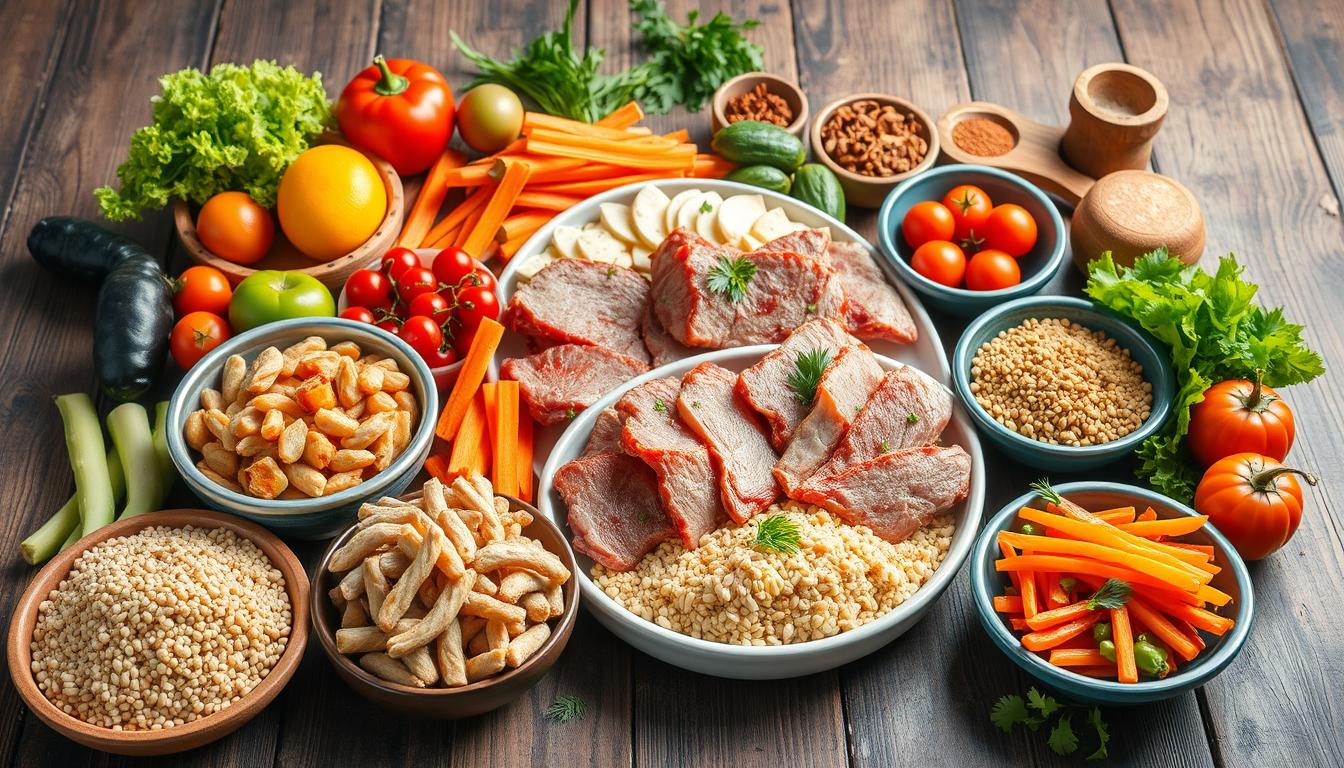
Cooking halal at home can be a breeze for busy families when you plan and prep effectively. Set aside time weekly for meal planning, choosing diverse and appealing recipes that fit your family’s tastes. Prepping ingredients in bulk saves time later, allowing you to whip up healthy meals quickly. Get the whole family involved to make cooking fun and shared. There are many tips and tricks to make this easier, so keep going to discover more!
Key Takeaways
- Dedicate time each week to meal plan, ensuring variety and adherence to halal dietary requirements.
- Choose a few simple, appealing halal recipes to prevent overwhelm during busy schedules.
- Prepare ingredients in bulk, like chopping vegetables or marinating meats, to save time on weekdays.
- Involve family members in meal prep, fostering teamwork and making cooking enjoyable for everyone.
- Create grocery lists focused on halal ingredients to streamline shopping and reduce stress.
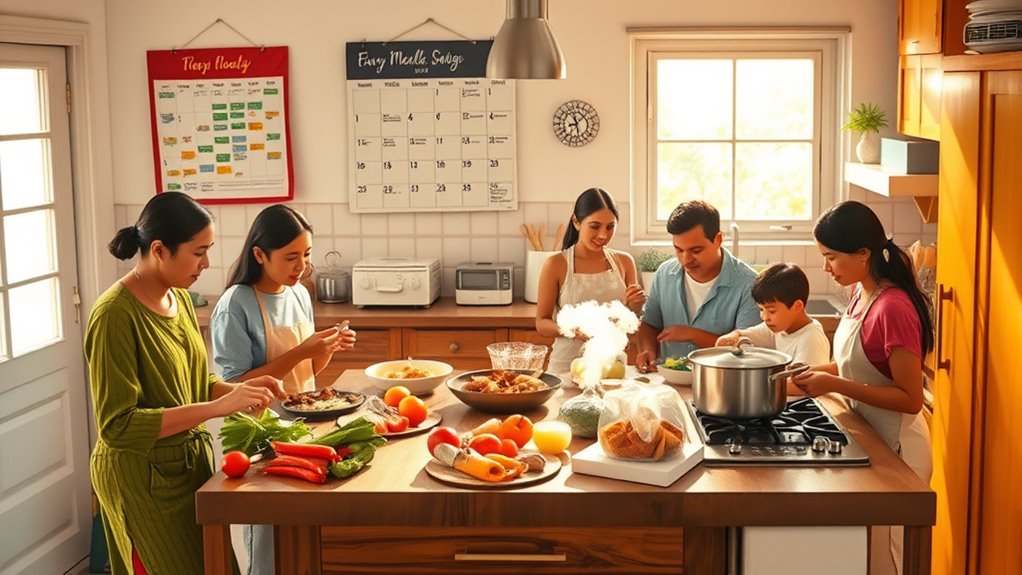
Whether you’re exploring new culinary traditions or adhering to dietary requirements, cooking halal at home opens up a world of flavors and wholesome ingredients. For busy families, meal planning can feel overwhelming, but with a little organization and creativity, you can whip up delicious halal meals that everyone will love. The key lies in effective meal prep and thoughtful spice selection, which can transform your weeknight dinners into exciting culinary adventures.
Start by setting aside some time each week to plan your meals. You don’t have to go overboard—just choose a few recipes that appeal to your family. Think about incorporating a variety of proteins, like chicken, beef, or lentils, to keep things interesting. Once you’ve selected your meals, create a grocery list that focuses on halal ingredients. This way, you’ll ensure everything you buy is compliant, making your cooking experience hassle-free.
Set aside time each week to plan meals, focusing on halal recipes and a variety of proteins for a delightful cooking experience.
Next, make the most of your time in the kitchen with meal prep. You can chop vegetables, marinate meats, or even cook grains ahead of time. This not only saves you time during the week, but it also helps you maintain a healthy diet. Prepping in bulk allows you to create versatile components that can be mixed and matched throughout the week. For instance, roasted vegetables can accompany different proteins or be tossed into salads for variety.
Spice selection is essential in elevating your halal dishes. Don’t shy away from experimenting with spices like cumin, coriander, turmeric, and paprika. These spices not only enhance the flavors but also bring health benefits. You can create your own spice blends, which can be stored for convenience. A simple blend of cumin and coriander can work wonders on grilled meats, while a mix of cinnamon and cardamom can lend warmth to rice dishes.
As you prepare your meals, consider involving your family in the cooking process. It’s a great way to bond, and kids often enjoy helping in the kitchen. Assign each family member a task—one can wash veggies, another can measure spices, and someone else can set the table. This not only lightens your load but also helps instill a love for cooking in your children. Furthermore, effective time management can significantly enhance your efficiency in the kitchen, allowing you to enjoy cooking without feeling rushed.
Incorporating halal cooking into your weekly routine doesn’t have to be a chore. With a little planning, meal prep, and a thoughtful approach to spice selection, you can create delicious, wholesome meals that cater to your family’s dietary needs while exploring the vibrant world of halal cuisine.

ProKeeper Split Deli Food Storage Container with Air-Tight Silicone Seal and Dry Erase Compatible Lid, 11.75
Contains (1) ProKeeper Split Deli Storage Container – an airtight silicone-sealed food storage container with a clear dry…
As an affiliate, we earn on qualifying purchases.
As an affiliate, we earn on qualifying purchases.
Frequently Asked Questions
What Are the Best Halal Meat Brands Available?
When you’re looking for the best halal meat brands, consider options like Crescent Foods, Zabiha Halal, and Midamar. These brands prioritize halal certification and guarantee high standards in meat sourcing. You’ll find a variety of products, from chicken to beef, all meeting halal requirements. Don’t forget to check local stores or online retailers for availability. Your choice can make a big difference in taste and quality for your meals!
How Can I Ensure My Kitchen Is Halal-Compliant?
To guarantee your kitchen is halal-compliant, start by knowing that 33% of kitchens experience cross contamination. Implement strict cleaning practices by using separate utensils and surfaces for halal and non-halal items. Always sanitize thoroughly after handling different types of food. Label your equipment clearly to avoid any mix-ups, and consider designating specific areas in your kitchen just for halal cooking. This’ll keep your meals compliant and your mind at ease!
Are There Halal-Certified Cooking Oils?
Yes, there are halal-certified cooking oils available. When you’re choosing oils, look for brands with halal certification, which guarantees they meet specific halal standards. It’s important to verify the halal certification processes they follow to guarantee compliance. Additionally, consider ethical sourcing considerations, as some oils may be produced sustainably. By prioritizing these factors, you can confidently select oils that align with your dietary needs while supporting responsible practices.
Can I Use Non-Halal Ingredients in Halal Recipes?
Sure, you can use non-halal ingredients in halal recipes—if you enjoy living on the edge! But really, it’s best to stick with halal-certified options. Ingredient substitutions can work wonders, like swapping out regular broth for halal chicken stock. The halal certification process guarantees your meal meets the standards, so why risk it? Embrace the adventure of halal cooking, and your taste buds (and conscience) will thank you!
How Do I Store Halal Meat Properly?
To store halal meat properly, use effective meat storage methods. First, wrap the meat tightly in plastic wrap or aluminum foil to prevent air exposure. Then, place it in an airtight container or freezer bag before storing it in the fridge or freezer. For ideal halal meat freshness, consume refrigerated meat within a few days and frozen meat within six months. Always label your packages with dates for easy tracking.

iSpice Starter Spice Set- Seasonings for Cooking – 24 Pack Starter Spice Gift Set | Silk Road
Versatile Spice Set: Our Silk Road spice set includes 24 different spices and herbs, each with a unique…
As an affiliate, we earn on qualifying purchases.
As an affiliate, we earn on qualifying purchases.
Conclusion
So, there you have it—cooking halal at home doesn’t have to feel like an Olympic sport. With a bit of planning and a sprinkle of creativity, you can whip up meals that would make even Gordon Ramsay raise an eyebrow in approval (or at least not throw a fit). Remember, your family’s taste buds might just thank you for steering clear of the drive-thru yet again. After all, who needs fast food when you’ve got a kitchen and a sense of humor?
![C CREST [10 Pack] Glass Meal Prep Containers, Food Storage Containers with Lids Airtight, Glass Lunch Boxes, Microwave, Oven, Freezer and Dishwasher Safe](https://m.media-amazon.com/images/I/51KtYzS-grL._SL500_.jpg)
C CREST [10 Pack] Glass Meal Prep Containers, Food Storage Containers with Lids Airtight, Glass Lunch Boxes, Microwave, Oven, Freezer and Dishwasher Safe
If you find any damaged or defective product after receiving it or during daily use, please contact us.
As an affiliate, we earn on qualifying purchases.
As an affiliate, we earn on qualifying purchases.
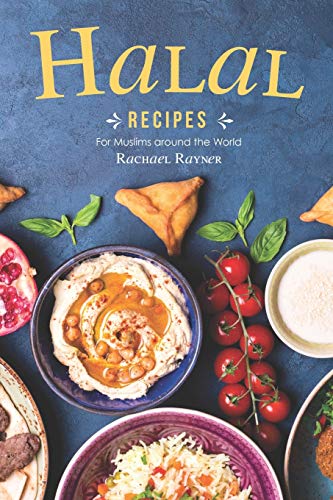
Halal Recipes: For Muslims around the World
As an affiliate, we earn on qualifying purchases.
As an affiliate, we earn on qualifying purchases.