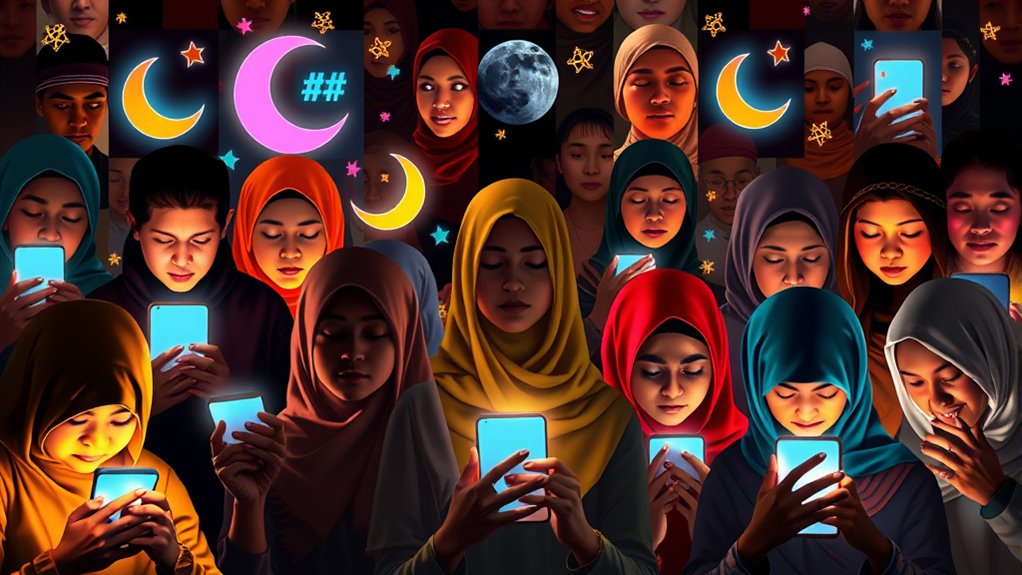

Digital Muslim communities thrive online, using social media to connect believers worldwide. You’ll find online prayer groups that facilitate collective worship, helping you strengthen your faith beyond geographical limits. Sharing halal recipes and personal stories fosters a sense of belonging and cultural exchange. These virtual spaces reshape how you practice your beliefs, creating opportunities for spiritual growth and unity. Discover how these platforms enhance your faith journey and foster community in unexpected ways.
Key Takeaways
- Digital platforms enable Muslims to connect globally, enhancing collective worship and shared spiritual experiences.
- Online prayer sessions foster a sense of global unity and strengthen personal faith connections.
- Halal recipe sharing promotes culinary creativity and cultural exchange within the Muslim community.
- Meaningful discussions on faith and culture enrich community engagement and appreciation for diversity.
- Digital communities support ongoing spiritual growth and accessible environments for faith expression.
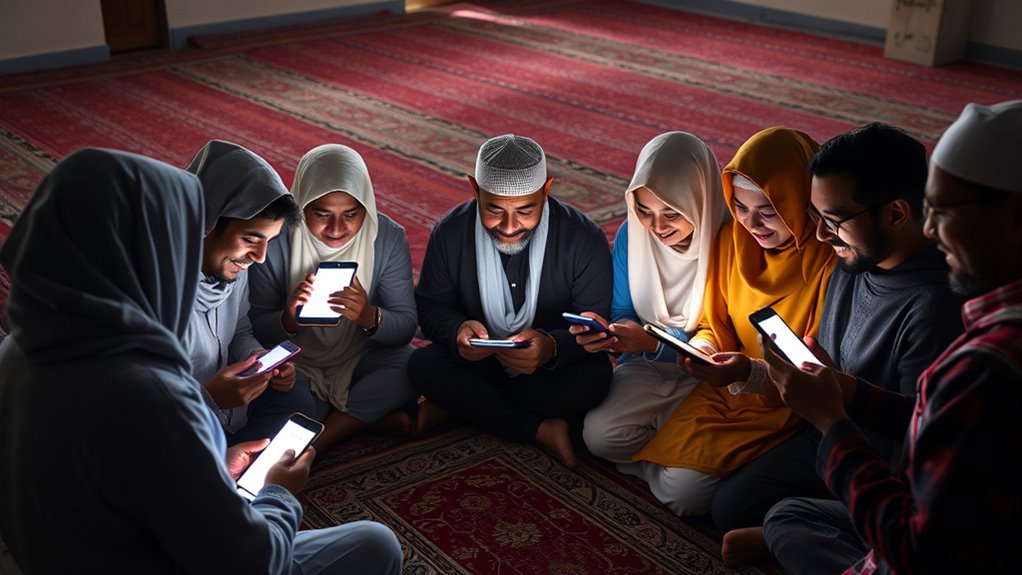
In today’s interconnected world, digital Muslim communities are thriving, offering a space for believers to connect, share, and grow in their faith. You might find yourself scrolling through social media and stumbling upon vibrant online prayer groups where people from all walks of life come together, regardless of geographical barriers. These groups allow you to engage in collective worship, share your thoughts, and seek guidance from fellow Muslims, creating a sense of unity that can be hard to find in person.
Digital Muslim communities unite believers across the globe, fostering connection, collective worship, and spiritual growth beyond geographical limits.
Imagine participating in a virtual prayer session, joining others as you recite your prayers. You might be inspired by others’ stories of faith, and you could share your own experiences, too. This exchange of ideas and emotions fosters an environment where spirituality isn’t limited to the confines of a mosque. Instead, it expands into living rooms and coffee shops around the world. With every prayer session, you strengthen your connection to the global Muslim community, reminding you that you’re never alone in your journey of faith.
Another fascinating aspect of these digital communities is the trend of halal recipe sharing. You can easily find a plethora of delicious recipes, all tailored to meet halal dietary requirements. Whether you’re looking for a quick weeknight dinner or an intricate dish for a special occasion, the options are endless. You might find yourself joining a group specifically dedicated to cooking, where members post pictures of their latest culinary creations, complete with tips and tricks. The joy of cooking and sharing meals becomes a communal experience, transcending cultural boundaries and allowing you to explore diverse cuisines.
Through these online spaces, you can engage in meaningful conversations about faith, food, and everything in between. You’ll likely find that other members are enthusiastic to exchange their personal twists on traditional recipes, encouraging creativity and adaptability in how you approach halal cooking. This sense of collaboration not only enriches your culinary skills but also deepens your appreciation for the cultural richness within the Muslim community. Additionally, the cultural impact of technology on artistic expression can be seen as members share their creative endeavors, further fostering a vibrant community atmosphere.
In essence, digital Muslim communities are reshaping how you practice your faith. From participating in online prayer groups to sharing halal recipes, these platforms allow you to connect with others, share your beliefs, and grow spiritually. Embracing these digital spaces can enhance your experience as a believer, reminding you that faith is a journey best shared with others.

OLEEK Muslim Prayer Rug – Islamic Prayer mat – Prayer matt Islam – eid Gifts – eid Decorations for Home 2026 – Praying mat – Muslim Gifts – Islam Men – Islamic Prayer Rugs – سجادة صلاة
PERFECT PRAYER SUPPORT: Designed for maximum comfort, this prayer mat features soft material that supports your feet and…
As an affiliate, we earn on qualifying purchases.
As an affiliate, we earn on qualifying purchases.
Frequently Asked Questions
How Do Digital Muslim Communities Impact Local Religious Practices?
Digital Muslim communities create virtual mosques that allow you to engage with your faith online, regardless of your location. These platforms enhance local religious practices by connecting you with a global network of believers, sharing diverse interpretations and experiences. You can participate in online sermons, discussions, and prayers, which not only enrich your understanding but also foster a sense of belonging. Ultimately, these communities reshape how you experience and practice your faith in everyday life.
What Are the Risks of Online Religious Communities?
Traversing online religious communities can feel like walking a tightrope. One misstep, and you might plunge into privacy concerns or misinformation risks. You’ve got to be careful, since personal data can slip through the cracks like sand through your fingers. Misinformation can spread like wildfire, leading to confusion and misguided beliefs. So, while you connect and share, always stay vigilant, questioning sources and protecting your digital footprint, ensuring your faith journey remains steady and true.
How Do Discussions Differ in Online vs. Offline Faith Settings?
Discussions in online faith settings often feel more casual and varied compared to offline ones. You’ll find virtual sermons that allow for immediate feedback and interaction, creating a dynamic atmosphere. Plus, Muslim memes can spark light-hearted yet meaningful conversations, making it easier to engage with different perspectives. In contrast, offline settings might focus on structured teachings and personal connections, which can sometimes limit the range of topics and expressions shared.
Can Social Media Lead to Misconceptions About Islam?
Scrolling through your feed, you might stumble upon a meme that misrepresents Islamic beliefs. Social media can indeed lead to misconception proliferation, especially when educational gaps exist. When people share incomplete or biased information, it spreads quickly, creating misunderstandings about Islam. It’s essential to verify sources and seek accurate knowledge, as this can help combat misinformation and foster a more nuanced understanding of the faith.
How Do Online Communities Address Interfaith Dialogue?
Online communities foster virtual interfaith dialogue by providing platforms where diverse beliefs intersect. You can engage with people from various backgrounds, sharing perspectives and experiences that enrich understanding. These discussions often break down stereotypes and build empathy. Through social media, you’ll find forums, live chats, and groups dedicated to interfaith conversations, encouraging respect and collaboration. This accessibility allows you to explore spirituality and learn from others, deepening your own faith journey.

Dazzleimart 2 Pack Prayer Beads, Muslim Tasbih 99 Beads Allah & Muhammad Islamic Prayer Rosary Muslim Islam Misbaha Tasbeeh 99 Necklace for Men and Women(Black)
Product Material: The prayer beads are made of Acrylic. Each bead is smooth and feels soothing to touch…
As an affiliate, we earn on qualifying purchases.
As an affiliate, we earn on qualifying purchases.
Conclusion
In the ever-evolving landscape of digital Muslim communities, social media isn’t just a tool; it’s a lifeline that connects believers across the globe, sparking vibrant faith practices. You’ve seen how platforms amplify voices and foster unity, transforming the way you engage with your beliefs. As these online spaces continue to grow, the impact on spirituality could rival that of a thousand mosques. Embrace this digital revolution, and watch your faith flourish in ways you never imagined!

SELF’S ISLAMIC COOKBOOK: Halal, Family Friendly, Blessed Meals For Every Muslim Home A Collection of One Hundred Fifty Halal Recipes Made With Faith, Family, and Love
As an affiliate, we earn on qualifying purchases.
As an affiliate, we earn on qualifying purchases.
OLEEK Muslim Prayer Rug – Islamic Prayer mat – Prayer matt Islam – eid Gifts – eid Decorations for Home 2026 – Praying mat – Muslim Gifts – Islam Men – Islamic Prayer Rugs – سجادة صلاة
PERFECT PRAYER SUPPORT: Designed for maximum comfort, this prayer mat features soft material that supports your feet and…
As an affiliate, we earn on qualifying purchases.
As an affiliate, we earn on qualifying purchases.