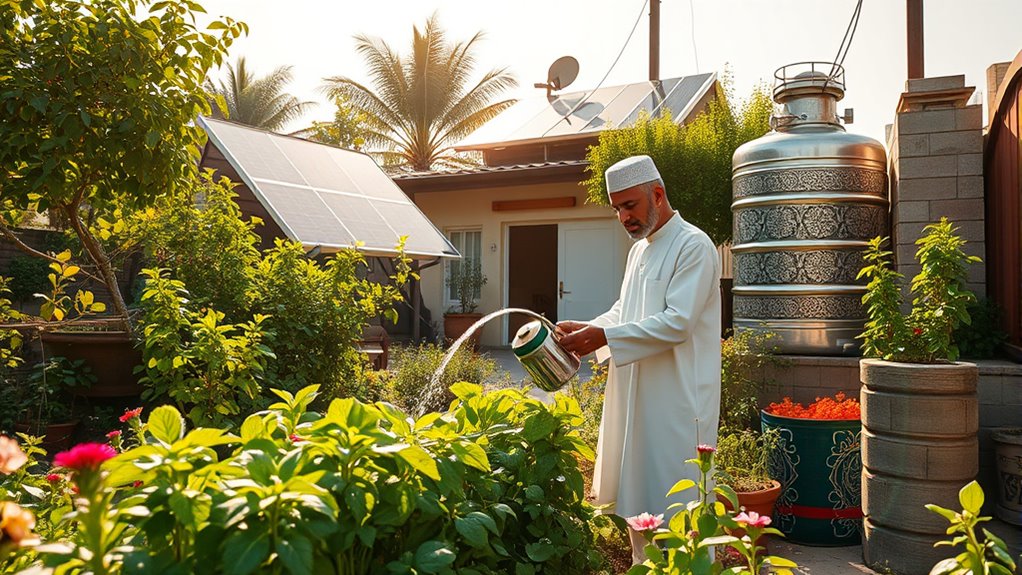

Green living, inspired by Islamic principles, encourages you to embrace eco-conscious practices that show respect for the environment. It emphasizes responsible consumption, recycling, and sustainable water use as moral duties. You can make a big impact simply by being mindful of your purchases and minimizing waste. Even small actions like conserving energy and practicing moderation align with these teachings. Continue exploring how these values can transform your everyday habits into meaningful, eco-friendly choices.
Key Takeaways
- Embrace environmental stewardship as a spiritual duty, recognizing the interconnectedness of all life in Islamic teachings.
- Practice sustainable water use by conserving this precious resource and avoiding wastefulness in daily consumption.
- Make ethical purchasing decisions by choosing local and organic products while avoiding extravagance and waste.
- Engage in recycling and waste reduction efforts to contribute positively to the planet and reflect mindfulness in disposal choices.
- Implement energy conservation measures, such as using energy-efficient appliances and turning off unused lights, to minimize environmental impact.
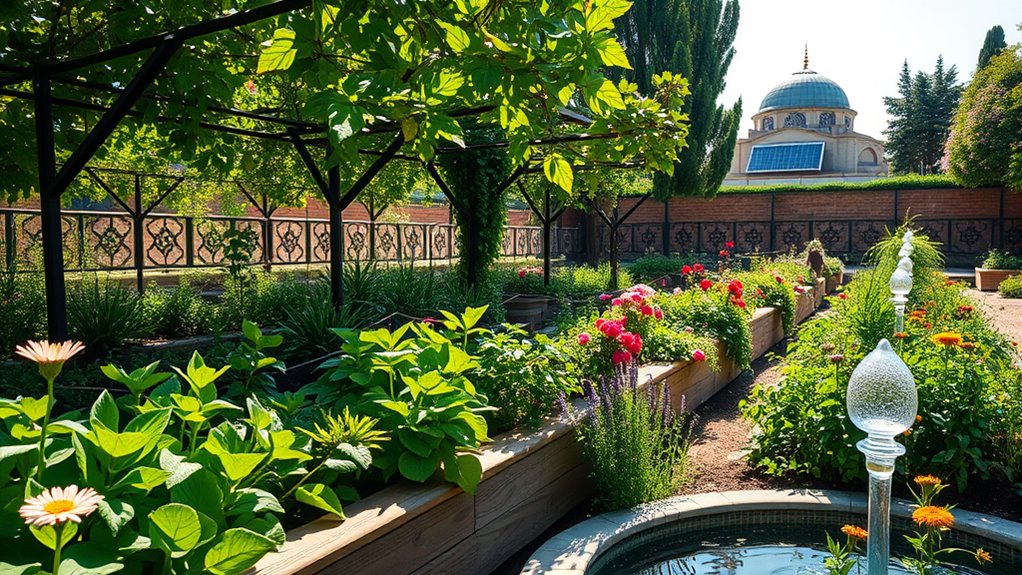
As you navigate the complexities of modern living, you might find inspiration in Islamic principles that emphasize eco-consciousness. These teachings encourage you to respect and care for the environment, reminding you that it’s your responsibility to protect the resources that sustain life. One significant aspect of this is sustainable water use. Water is a precious gift, and Islam teaches that you should never waste it. Whether you’re using it for drinking, cooking, or cleaning, consider how you can minimize waste. Simple practices, like fixing leaks promptly or using a bucket instead of a hose for rinsing your car, can make a big difference.
Embrace eco-consciousness by respecting water as a precious gift and minimizing waste in daily life.
You can also incorporate the concept of ethical consumption into your daily life. This means being mindful of what you buy and how it impacts the environment and society. When you shop, think about where your products come from and the methods used to create them. Emphasizing local and organic options not only supports your community but also reduces the carbon footprint associated with transportation. Islamic teachings encourage you to consume responsibly, reminding you that extravagance and wastefulness are not in line with a mindful lifestyle.
In your quest for sustainable living, consider implementing practices that promote recycling and reducing waste. Islam encourages the belief that everything in the universe is interconnected, so when you recycle, you’re participating in a larger cycle of life. By sorting your waste and making conscious choices about what you throw away, you’re contributing to a healthier planet. Remember, even small changes can lead to significant results.
Another area to focus on is energy consumption. You can make an impact by being mindful of your energy use at home. Simple actions like turning off lights when you leave a room, using energy-efficient appliances, or opting for natural light can reduce your energy footprint. The teachings of Islam highlight that you should avoid excess and endeavor for moderation, which applies to how you consume energy as well. Additionally, consider investing in a whole-house water filtration system, which can enhance the quality of your water while promoting sustainable practices.
Top picks for "green consciou practic"
Open Amazon search results for this keyword.
As an affiliate, we earn on qualifying purchases.
Frequently Asked Questions
What Are the Main Tenets of Islamic Environmental Ethics?
Islamic environmental ethics emphasize stewardship responsibilities, where you’re seen as a caretaker of the Earth. This means you should respect and protect nature, recognizing its intrinsic value. Ethical consumption plays a vital role, urging you to make mindful choices that minimize waste and harm to the environment. By practicing moderation and gratitude for resources, you contribute positively to your community and the planet, aligning your actions with these fundamental ethical principles.
How Can I Reduce Waste in My Daily Life?
Reducing waste in your daily life is like pruning a tree; with careful attention, you can help it flourish. Start by developing strong recycling habits—sort your materials and find local recycling programs. Implement composting tips, like using kitchen scraps for a home compost bin, turning waste into nutrient-rich soil. Choose reusable bags and containers, and consider buying in bulk to minimize packaging. Every small step you take creates a healthier environment.
Are There Specific Islamic Teachings on Water Conservation?
Yes, there are specific Islamic teachings on water conservation. You’re encouraged to practice water preservation by using only what you need, even during ablutions. The Prophet Muhammad emphasized moderation, teaching that wasting water, even by a river, is discouraged. You can also apply this by fixing leaks promptly and using water-efficient appliances. By embodying these principles, you not only follow Islamic teachings but also contribute to a sustainable future for everyone.
What Are Eco-Friendly Alternatives for Common Household Products?
Imagine using a smartphone that cleans your home! You can swap out chemical-laden cleaners for natural cleaning solutions like vinegar and baking soda. For sustainable packaging, choose products in biodegradable containers or refillable options. You might even make your own cleaning products, ensuring you’re reducing waste while keeping your space fresh. With these eco-friendly alternatives, you not only protect your health but also contribute to a cleaner planet. It’s a win-win!
How Can I Engage My Community in Eco-Conscious Practices?
You can engage your community in eco-conscious practices by organizing community outreach events like clean-up days or workshops on sustainable initiatives. Start a local garden or recycling program to bring people together while promoting green living. Encourage discussions on eco-friendly habits through social media or community boards to inspire others. Collaborate with local businesses to support sustainable practices, and don’t forget to celebrate successes to keep everyone motivated and involved!
Conclusion
Incorporating eco-conscious practices inspired by Islamic principles isn’t just a noble pursuit—it’s a way to leave a lasting legacy for future generations. By embracing these teachings, you’re not only caring for the earth but also nurturing your spirit. Remember, every little bit helps when it comes to making a difference. So, let’s not just talk the talk, but walk the walk toward a more sustainable and harmonious lifestyle that honors both our faith and our planet.