
Balancing a halal diet with your fitness and wellness goals is all about mindful choices. Focus on wholesome, ethically sourced foods that nourish your body, like legumes, whole grains, and fresh produce. Don’t forget to incorporate plant-based proteins and keep your meals well-portioned. Stay hydrated with halal-friendly drinks, and consider supplements if needed. By managing meal timing and maintaining a varied diet, you can align your nutrition with your fitness aspirations—there’s even more to explore!
Key Takeaways
- Choose wholesome, halal ingredients that nourish the body while supporting fitness and wellness goals, avoiding prohibited items like pork and alcohol.
- Incorporate diverse protein sources such as legumes, tofu, and tempeh to enhance nutrition and reduce reliance on traditional meat.
- Mindfully control portion sizes and timing of meals to optimize energy levels and recovery around workouts, ensuring meals align with halal principles.
- Stay hydrated with plenty of water and halal-compliant beverages, incorporating herbal teas for variety while supporting overall health and performance.
- Consider dietary supplements, such as calcium and Vitamin B12, to fill nutritional gaps in a halal diet, consulting healthcare professionals when needed.

When it comes to maintaining a balanced halal diet, understanding the principles behind halal food is essential. You need to know what’s permissible and how it aligns with your health goals. Halal food isn’t just about avoiding pork or alcohol—it’s about choosing wholesome ingredients that nourish your body. By focusing on fresh produce, whole grains, and ethically sourced proteins, you can create meals that are both nutritious and compliant with halal guidelines.
Understanding halal principles is key to creating nutritious meals that align with your health goals and nourish your body.
If you’re looking to balance your halal diet with fitness and wellness goals, it’s crucial to include a variety of protein sources. Meat substitutes, like legumes, tofu, and tempeh, can play a significant role in your diet. These alternatives not only provide essential amino acids but also offer fiber and other nutrients that support overall health. Incorporating these options allows you to diversify your meals while reducing your reliance on traditional meat, which can sometimes be high in saturated fats.
Don’t forget the importance of dietary supplements as well. While a well-rounded diet should provide most of the nutrients you need, sometimes it’s challenging to meet all your requirements solely through food. For instance, if you’re not consuming enough dairy, you might consider a calcium supplement to support your bone health. Similarly, if you’re following a vegan or vegetarian halal diet, you may need to supplement with vitamin B12, which is primarily found in animal products. Always consult with a healthcare professional before starting any supplements to ensure they align with your dietary needs.
Balancing your halal diet with your fitness goals also means being mindful of portion sizes and meal timing. Fueling your body before and after workouts is essential. You might find that a combination of complex carbohydrates and protein works best for your pre-exercise meal. Think whole grain toast with avocado and a sprinkle of seeds for a satisfying boost. Post-workout, a protein-rich snack, like a smoothie with a plant-based protein powder, can help with recovery.
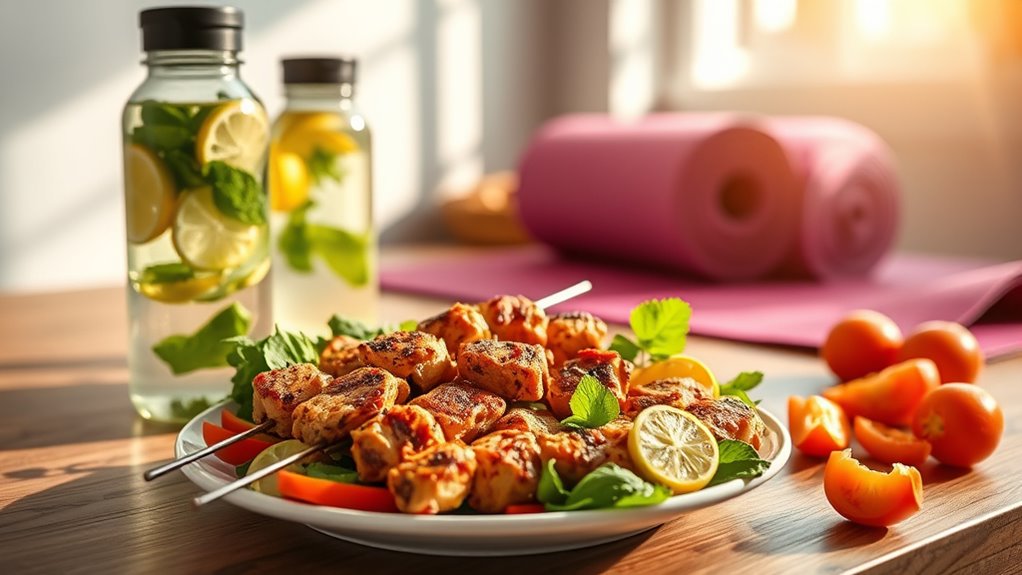
Lastly, don’t underestimate the power of hydration. Drinking plenty of water throughout the day is vital for maintaining energy levels and overall health. Herbal teas or infused water can also add variety while still being compliant with halal standards. By focusing on these elements, you can maintain a balanced halal diet that supports your fitness and wellness goals, ensuring you feel your best both physically and spiritually.
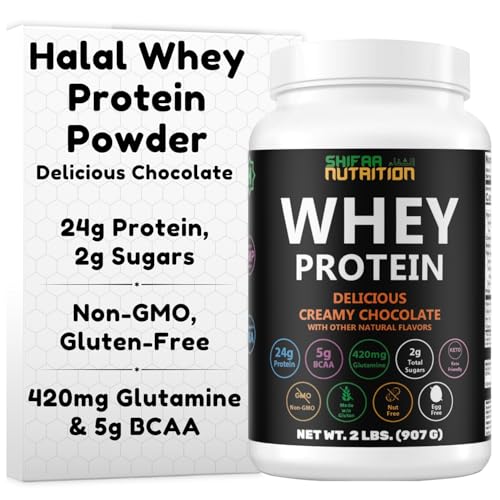
SHIFAA NUTRITION 2 Lbs Halal Whey Protein Powder Creamy Chocolate. 24g Protein, 5g BCAAs & 420mg Glutamine. for Building Lean Muscles & Recovery. Sugar-Free, Keto-Friendly, Gluten-Free, Non-GMO
BUILD LEAN MUSCLES WITH HIGH BIOLOGICAL VALUE: 24g of Delicious Creamy Chocolate Halal Whey Protein, Help Building Lean…
As an affiliate, we earn on qualifying purchases.
As an affiliate, we earn on qualifying purchases.
Frequently Asked Questions
Can I Combine Intermittent Fasting With a Halal Diet?
Yes, you can definitely combine intermittent fasting with a halal diet! By planning your meal timing around halal foods, you can easily adhere to both fasting protocols. Start by choosing your eating window and focus on nutritious, halal-approved meals during that time. Whether you’re opting for a 16:8 or another protocol, just guarantee your meals are balanced and satisfying. This way, you’ll meet your health goals while respecting your dietary beliefs.
What Are Halal Protein Sources for Muscle Building?
You’ll find plenty of halal protein sources for muscle building that fit your needs. Consider meat alternatives like tofu, tempeh, and seitan, which pack a punch in protein. Also, don’t overlook plant-based proteins like lentils, chickpeas, and quinoa; they’re not only nutritious but versatile. Combining these with halal-certified meats like chicken and fish can help you achieve your fitness goals while staying true to your dietary preferences. Enjoy experimenting with these options!
How Do I Read Food Labels for Halal Certification?
To read food labels for halal certification, start by looking for a halal symbol or certification mark, which indicates the product meets halal standards. Check the ingredients list for any non-halal components, like gelatin or certain enzymes. Be cautious with ambiguous terms; if you’re unsure, research the brand or contact the manufacturer. Familiarizing yourself with common halal certifications can also help you make informed choices while shopping.
Are There Halal Supplements for Fitness Enthusiasts?
Absolutely, there are halal supplements for fitness enthusiasts! Think of it like finding the right running shoes; you need the perfect fit to achieve your goals. Many brands offer halal certification for their protein powders, vitamins, and performance enhancers. Check labels for certification to guarantee they meet halal standards. As you explore supplement options, remember to prioritize quality and effectiveness, just like you would with any essential gear for your fitness journey.
Can I Maintain a Halal Vegan Diet for Fitness?
Yes, you can absolutely maintain a halal vegan diet for fitness! By focusing on plant-based nutrition, you’ll not only meet your dietary needs but also support ethical eating. Incorporate a variety of legumes, whole grains, nuts, and seeds to guarantee you get enough protein and essential nutrients. Don’t forget to plan your meals around your fitness goals, so you stay energized and healthy while adhering to your dietary principles.

Anthony's Premium Pea Protein, 2 lb, Plant Based, Gluten Free, Unflavored, Vegan, Keto Friendly, Made from Peas
Premium Pea Protein Isolate
As an affiliate, we earn on qualifying purchases.
As an affiliate, we earn on qualifying purchases.
Conclusion
Incorporating a halal diet into your fitness and wellness journey is entirely achievable with thoughtful planning. For instance, consider Amina, who balanced her workouts with a meal plan rich in lean proteins, whole grains, and plenty of fruits and vegetables—all halal. By prepping her meals and focusing on nutrient-dense foods, she not only met her fitness goals but also felt energized and healthy. Remember, with a bit of creativity and commitment, you can harmonize your dietary choices with your wellness aspirations.

Zaytun Halal Vitamin B12 1000mcg, Promotes Energy Production, Metabolism and Healthy Nervous System – Vegetarians and Vegans Formula – Dairy-Free – 4 Months Supply – Made in USA
SUPPORTS HEALTHY ENERGY LEVELS: Vitamin B12 is essential for the production of red blood cells, which carry oxygen…
As an affiliate, we earn on qualifying purchases.
As an affiliate, we earn on qualifying purchases.
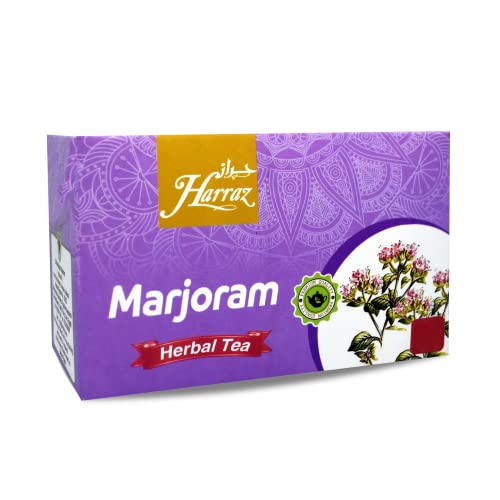
Harraz Natural Drink Herbal Marjoram Herbal Tea Bags Herbal Herb Herbs Non Gmo No Additives No Artificial Coloring Kosher Halal (25 Tea Bags) الحراز بردقوش حلال
✅ Ingredients : Filter Bags Of Marjoram , Each Sachet Contains 2 Grams Of Marjoram .
As an affiliate, we earn on qualifying purchases.
As an affiliate, we earn on qualifying purchases.