Guiding a halal diet during pregnancy and breastfeeding is essential for your health and your baby’s growth. You’ll need to focus on nutrient-rich foods like lean proteins, whole grains, and fresh fruits and vegetables, all while ensuring they meet halal standards. Stay well-hydrated and consider meal prepping to avoid last-minute choices. By prioritizing variety and proper nutrition, you can support both your well-being and your baby’s development, and there’s much more to discover about making this journey easier.
Key Takeaways
- Prioritize nutrient-rich foods, including proteins, fruits, vegetables, and whole grains, to meet increased dietary needs during pregnancy and breastfeeding.
- Verify halal certification of food products to ensure compliance with Islamic dietary laws, especially for meat and dairy.
- Plan meals ahead of time using halal-certified ingredients to avoid last-minute non-halal choices and maintain a balanced diet.
- Stay hydrated and include a variety of foods to keep meals exciting while supporting both maternal health and fetal development.
- Consult healthcare professionals for personalized dietary plans that align with halal guidelines and nutritional requirements.

When you’re pregnant or breastfeeding, maintaining a balanced diet is essential, especially if you follow a halal lifestyle. Your body needs the right nutrients to support both your health and the development of your baby. It’s important to ensure that the foods you consume align with halal guidelines, which can sometimes complicate meal planning. You’ll want to pay close attention to halal certification processes to make sure the products you choose are genuinely halal, as not all foods are automatically compliant.
First, it’s crucial to conduct a nutritional needs assessment. This involves understanding what your body requires to stay healthy during this critical time. Pregnancy and breastfeeding increase your nutritional demands, including higher needs for vitamins, minerals, and calories. You might find that you need to adjust your diet to include more protein, calcium, iron, and folic acid, all while making sure your food meets halal standards. Consulting with a healthcare professional can help you identify specific dietary requirements tailored to your situation.
When you shop for food, look for items that have halal certification. This ensures that the meat and other products you purchase have been prepared according to Islamic law. Familiarize yourself with credible halal certification organizations, and don’t hesitate to reach out to them if you have any questions about their processes. You might also consider exploring local halal markets where you can find fresh produce and meats that cater to your dietary needs while giving you peace of mind about compliance.
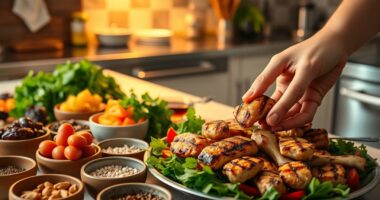
Incorporating a variety of foods is key. Aim to include fruits, vegetables, whole grains, lean proteins, and healthy fats in your meals. For example, you might enjoy grilled halal chicken with a side of quinoa and steamed vegetables. This not only satisfies your nutritional needs but also keeps your meals exciting. Additionally, don’t forget to stay hydrated. Drinking enough water is vital for both you and your baby. Maintaining a balanced diet is essential for overall health during this time.
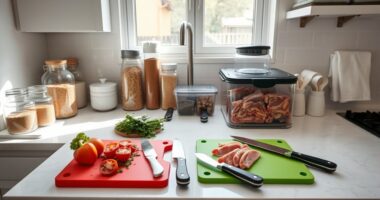
You might feel overwhelmed at times, but remember that planning is your best friend. Preparing meals ahead of time can help you avoid last-minute choices that may not align with your halal diet. Involving your family in meal prep can also create a supportive environment, making it easier to stick to your dietary goals. By prioritizing your nutritional needs and adhering to halal guidelines, you’ll set a strong foundation for your health and your baby’s well-being.
Top picks for "navigat halal diet"
Open Amazon search results for this keyword.
As an affiliate, we earn on qualifying purchases.
Frequently Asked Questions
Can I Take Prenatal Vitamins That Aren’t Halal-Certified?
You shouldn’t take non-halal supplements during pregnancy or breastfeeding if you’re committed to a halal diet. Supplement safety is vital, and opting for halal-certified prenatal vitamins ensures you’re avoiding any questionable ingredients. If you can’t find halal options, consider consulting your healthcare provider for alternative recommendations. They can help you find safe supplements that align with your dietary needs while supporting your health and your baby’s development.
Is It Safe to Consume Herbal Teas While Breastfeeding?
Imagine sipping a warm cup of herbal tea, feeling its soothing embrace. It’s generally safe to consume herbal teas while breastfeeding, but you need to select wisely. Some herbal remedies can affect your milk supply or your baby’s tummy. Stick to well-known options like chamomile or peppermint, and avoid those with unknown ingredients. Always consult your healthcare provider to guarantee herbal tea safety and keep your breastfeeding experience as smooth as that warm cup.
What Are Halal Alternatives for Common Pregnancy Cravings?
You can satisfy your pregnancy cravings with plenty of delicious Halal snack options. Try roasted chickpeas for a crunchy treat, or enjoy fruit smoothies packed with nutrition. For those sweet cravings, explore Halal dessert recipes like date energy balls or coconut macaroons. You’ll find these alternatives not only meet your dietary needs but also taste great. Embrace the variety and enjoy every bite while keeping it Halal!
How Do I Handle Food Restrictions During Religious Gatherings?
Handling food restrictions at religious gatherings can be tricky, but it’s manageable. Before the event, communicate your dietary needs to the host; they’ll likely appreciate your honesty. Bring a dish you enjoy, so you’ve got something safe to eat. During social situations, focus on enjoying the company rather than the food. Engage with others, share your experiences, and don’t hesitate to politely decline dishes that don’t align with your dietary choices.
Can I Eat Seafood While Following a Halal Diet?
Yes, you can eat seafood while following a halal diet. Most seafood varieties, like fish and shellfish, are considered halal as long as they’re sourced from clean waters and properly handled. Make sure to verify for halal certification if you’re buying pre-packaged seafood, as some products may contain non-halal ingredients. Always feel free to ask your local fishmonger about their sourcing practices to guarantee that what you’re consuming aligns with your dietary needs.
Conclusion
Exploring a halal diet during pregnancy and breastfeeding can be a delightful journey if you embrace it with an open heart. You’re not just nurturing your body; you’re also creating a beautiful bond with your little one through wholesome, permissible foods. So, as you savor every bite, remember that each meal is a step towards a healthy future for both you and your baby. With a bit of creativity and care, your culinary adventure can be both fulfilling and joyous.