The Islamic calendar, or Hijri calendar, is a lunar-based system that consists of 12 months and about 354 days. Key holidays like Ramadan, Eid al-Fitr, and Eid al-Adha mark essential moments of faith and community. Each month begins with the sighting of the new moon, making the timing of holidays shift yearly. Understanding this calendar helps you connect with the rhythm of the Muslim year and its significant events, leading you to explore more about these traditions.
Key Takeaways
- The Islamic Calendar, or Hijri calendar, consists of 12 lunar months totaling about 354 days annually, differing from the Gregorian calendar.
- Islamic months begin with the sighting of the new moon, requiring ongoing awareness for accurate date tracking.
- Major holidays include Ramadan, Eid al-Fitr, Eid al-Adha, and the Day of Ashura, each with significant religious and communal practices.
- Ramadan involves fasting and prayer, while Eid al-Fitr celebrates its conclusion with feasting and charity, and Eid al-Adha commemorates sacrifice.
- Understanding the Islamic calendar enhances participation in religious events, fosters community bonds, and deepens appreciation of Islamic traditions.
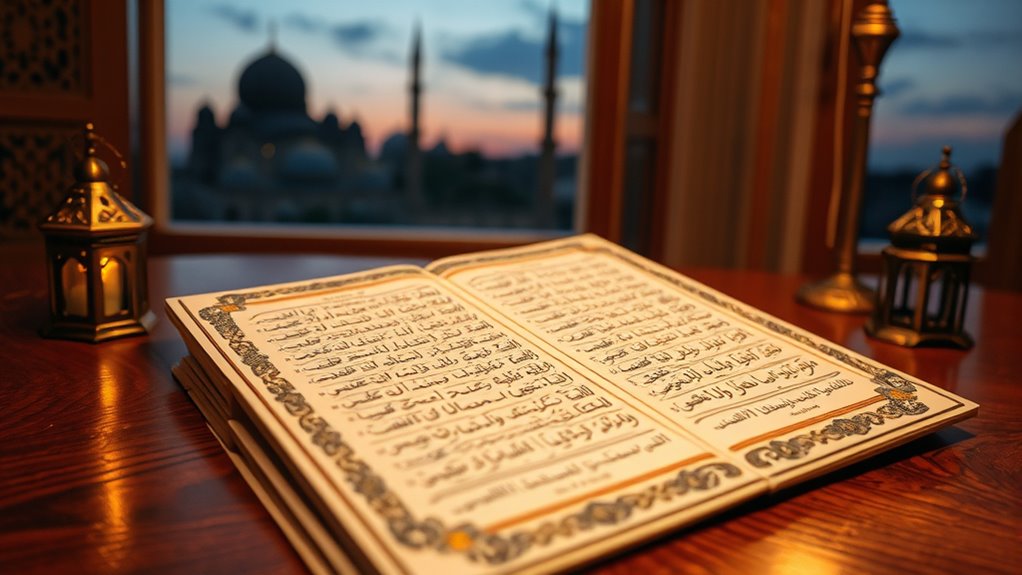
The Islamic calendar, also known as the Hijri calendar, plays an essential role in the lives of Muslims around the world. This calendar is based on lunar months, meaning each month begins with the sighting of the new moon. Unlike the Gregorian calendar, which is solar-based and has fixed months, the Islamic calendar comprises 12 lunar months that total about 354 days in a year. As a result, Islamic holidays shift annually by about 10 to 12 days, depending on the moon’s cycles. This makes it necessary for you to stay aware of when these significant events occur.
The Islamic calendar, rooted in lunar months, guides Muslims in observing significant holidays that shift annually.
One of the most important Islamic holidays is Ramadan, the ninth month of the lunar calendar. During Ramadan, Muslims fast from dawn until sunset, engaging in prayer, reflection, and community. The experience of fasting can deepen your faith and strengthen your connection to God. After Ramadan, you celebrate Eid al-Fitr, marking the end of the fast. This holiday is filled with joy, communal prayers, and feasting, as well as giving to those in need, reminding you of the importance of charity and gratitude.
Another significant holiday is Eid al-Adha, which occurs during the month of Dhu al-Hijjah, the last month of the Islamic calendar. This holiday commemorates the willingness of Prophet Ibrahim (Abraham) to sacrifice his son in obedience to God. During Eid al-Adha, you may participate in the ritual of Qurbani, where animals are sacrificed, and their meat is distributed among family, friends, and those in need. This holiday emphasizes the values of sacrifice, community, and compassion.
The Islamic calendar also plays a role in other important dates, such as the Day of Ashura, which falls on the 10th of Muharram. It’s a day of fasting and reflection for many Muslims, commemorating significant events in Islamic history, including the exodus of Prophet Musa (Moses) and the martyrdom of Imam Hussain, the grandson of Prophet Muhammad. Additionally, understanding the Islamic calendar helps improve your customer experience by allowing participation in community events that enhance faith and connection.
Understanding the Islamic calendar and its lunar months helps you appreciate the rhythm of the Muslim year and the significance of Islamic holidays. By keeping track of these dates, you can participate more fully in the spiritual and communal aspects of your faith, creating a deeper connection with your community and God.
Islamic lunar calendar wall clock
As an affiliate, we earn on qualifying purchases.
As an affiliate, we earn on qualifying purchases.
Frequently Asked Questions
How Does the Islamic Calendar Affect Daily Life for Muslims?
The Islamic calendar markedly affects your daily life, especially through lunar months. You plan your year around these months, marking important events like Ramadan, when you engage in fasting practices. This month teaches self-discipline and empathy for the less fortunate. Your daily routines adjust during Ramadan, as you wake up early for pre-dawn meals and break your fast at sunset. The calendar also influences holidays and community gatherings, shaping your cultural and spiritual life.
Are There Specific Rituals for Each Important Date in the Islamic Calendar?
Yes, there are specific rituals for each important date in the Islamic calendar. For instance, during Ramadan, you fast from dawn to sunset, while Eid al-Fitr brings festive prayers and communal meals. Isn’t it fascinating how these ritual practices can vary culturally? In some places, you might find unique traditions tied to these dates, enriching the experience for everyone involved. Embracing these rituals helps deepen your connection to the community and faith.
How Do Non-Muslims Typically Observe Islamic Holidays?
Non-Muslims typically observe Islamic holidays by participating in interfaith celebrations and learning about the significance of these occasions. You might join friends or colleagues in festive meals, share greetings, or attend community events. Engaging in cultural understanding helps foster respect and appreciation for different traditions. By recognizing the importance of holidays like Eid, you can build stronger relationships and promote harmony within diverse communities, enriching your own experiences in the process.
Can Islamic Calendar Dates Vary by Country or Region?
Yes, Islamic calendar dates can definitely vary by country or region. You might think everyone follows the same dates, but regional variations often arise from lunar sightings. Different communities may spot the moon on different days, leading to discrepancies in observing holidays like Ramadan or Eid. This diversity showcases how cultural practices intertwine with faith, adding a rich layer to the Islamic experience across the globe. So, it’s not just uniformity everywhere!
What Tools Can Help Track the Islamic Calendar?
To track the Islamic calendar, you can use various tools like Islamic calendar apps and lunar calendar converters. These apps provide accurate date calculations and reminders for important events, helping you stay organized. You can easily convert dates between the Gregorian and Islamic calendars, ensuring you never miss significant occasions. So, download an app or use an online converter to keep your schedule aligned with the Islamic calendar effortlessly.
Ramadan fasting prayer mat
As an affiliate, we earn on qualifying purchases.
As an affiliate, we earn on qualifying purchases.
Conclusion
Understanding the Islamic calendar helps you appreciate its significance in the Muslim community. For instance, during Ramadan, you might find yourself joining friends for iftar, breaking the fast together and sharing stories. By recognizing important dates like Eid or the start of Hajj, you deepen your connection to these traditions. So, embrace this rich calendar, and you’ll not only enhance your knowledge but also foster meaningful relationships as you celebrate alongside your Muslim friends and family.
Eid al-Fitr celebration gift set
As an affiliate, we earn on qualifying purchases.
As an affiliate, we earn on qualifying purchases.
Eid al-Adha sacrificial animal replica
As an affiliate, we earn on qualifying purchases.
As an affiliate, we earn on qualifying purchases.