
Islamic financial ethics guide your investment choices by emphasizing moral integrity and societal well-being in both traditional banking and crypto markets. This approach substitutes interest with profit-sharing, fostering partnerships and fairness. It guarantees compliance with Sharia law, steering clear of harmful industries. By aligning your financial decisions with ethical standards, you can contribute to a more equitable society. Discover how these principles can shape your financial journey in the evolving landscape of finance.
Key Takeaways
- Islamic financial ethics prioritize investments that have a positive societal impact, emphasizing moral considerations over mere profitability.
- Profit-sharing and partnership models replace interest-based lending, fostering community and responsible business practices in both traditional and digital finance.
- Islamic banking products must comply with Sharia law, avoiding unethical industries like alcohol and gambling, ensuring ethical fund allocation.
- Cryptocurrency investments can align with Islamic principles through compliant platforms, allowing ethical engagement in the evolving digital asset landscape.
- Ethical impact and societal contribution are central to Islamic finance, promoting fairness and transparency in financial decision-making for long-term success.
What guides your financial decisions? If you’re seeking a model that aligns with your values, you might consider the principles of Islamic financial ethics. This framework emphasizes ethical investment, ensuring that your money supports ventures that contribute positively to society and adhere to moral guidelines. Rather than chasing the highest returns at any cost, you’re encouraged to think about how your investments can make a difference in the world.
Consider Islamic financial ethics to guide your investments toward ethical ventures that positively impact society.
In the domain of Islamic finance, profit sharing is a foundational concept. Instead of traditional interest-based lending, which is prohibited, you engage in partnerships where profits and risks are shared. This approach not only fosters a sense of community but also aligns your financial goals with ethical standards. You’ll find that working within this model can lead to more sustainable financial practices, as it encourages businesses to act responsibly and focus on long-term success rather than short-term gains.
As you explore various financial products, you’ll discover that Islamic banks offer a range of options from savings accounts to investment funds. These products are designed to comply with Sharia law, ensuring that your money isn’t supporting industries like alcohol, gambling, or anything harmful. This conscious decision-making allows you to feel good about where your funds are going, knowing they’re contributing to worthwhile projects.
Even as technology evolves, Islamic finance is adapting. With the rise of cryptocurrencies, you’re presented with new opportunities. While the world of crypto can be complex, some platforms are emerging that adhere to Islamic principles, ensuring your digital investments are ethical. By utilizing these options, you can engage in the innovative financial landscape while staying true to your values.
Ultimately, your financial journey can be guided by principles of fairness, transparency, and social responsibility. By embracing ethical investment and profit sharing, you’re not just seeking wealth for yourself; you’re also contributing to a more equitable society. This holistic approach can lead to a deeper sense of fulfillment in your financial decisions.
In a world where ethical considerations are often overlooked, you have the power to choose a path that reflects your beliefs. By integrating Islamic financial ethics into your strategy, you can navigate the complexities of modern finance while making meaningful contributions to your community and beyond. Your choices can echo your values, proving that financial success and ethical integrity can indeed go hand in hand.
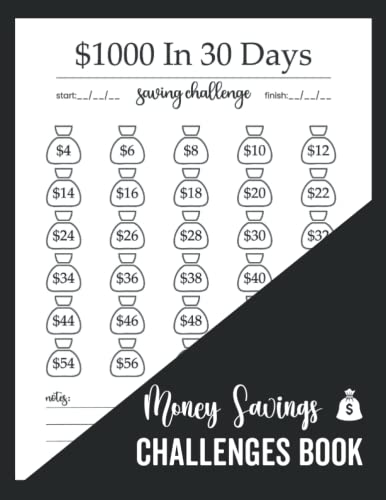
Money Savings Challenges Book: Easy Cash Budget Saving Challenge Planner / Fun and Easy Way to Save Money!
As an affiliate, we earn on qualifying purchases.
As an affiliate, we earn on qualifying purchases.
Frequently Asked Questions
How Does Islamic Finance Differ From Conventional Finance?
Islamic finance differs from conventional finance mainly due to its interest prohibition and emphasis on profit sharing. In conventional finance, you often rely on interest for returns, but Islamic finance promotes risk-sharing and ethical investments. You engage in partnerships where profits and losses are shared, fostering a more equitable financial system. This approach encourages you to invest in real assets and supports economic growth, aligning financial practices with ethical and moral values.
Are Cryptocurrencies Compliant With Islamic Finance Principles?
Imagine a scale, perfectly balanced, representing Shariah compliance in finance. When it comes to cryptocurrencies, you’ll find a spectrum of opinions. Some scholars argue that digital currencies can align with Islamic principles if they avoid speculation, uncertainty, and unethical practices. Others remain skeptical. You’ll need to assess each cryptocurrency‘s nature and use to determine if it fits within the framework of Shariah compliance, ensuring your investments reflect your values.
What Are the Main Principles of Islamic Financial Ethics?
The main principles of Islamic financial ethics focus on ethical investment and profit sharing. You should ensure that your investments comply with Sharia law, avoiding prohibited activities like gambling or alcohol. Emphasizing fairness and transparency, you’ll find that profit sharing is essential, promoting equitable returns for all parties involved. By adhering to these principles, you contribute to a just financial system that aligns with ethical values and fosters community welfare.
Can Islamic Finance Support Sustainable Investments?
Yes, Islamic finance can support sustainable investments. By focusing on ethical investing, it aligns with social responsibility, encouraging you to invest in projects that benefit society and the environment. You’ll find that Islamic finance emphasizes avoiding harmful industries and promotes ventures that foster community well-being. This approach not only adheres to Islamic principles but also meets the growing demand for investments that contribute positively to sustainability and ethical practices.
How Is Risk Managed in Islamic Finance Transactions?
In Islamic finance transactions, you manage risk through profit sharing and risk mitigation strategies. Instead of interest, you enter profit-sharing agreements that align your interests with those of the investment. By sharing profits and losses, you create a balanced approach to risk. Additionally, you might employ contracts like Mudarabah and Musharakah, which foster collaboration and guarantee that all parties are invested in the project’s success, further reducing potential losses.

Investing In Islamic Funds: A Practitioner's Perspective
Used Book in Good Condition
As an affiliate, we earn on qualifying purchases.
As an affiliate, we earn on qualifying purchases.
Conclusion
So, as you navigate the wild world of Islamic finance, remember: it’s not just about avoiding interest or investing in halal ventures. Picture a banker in a turban, juggling crypto coins while riding a camel—it’s all about balance! You’ve got to blend tradition with innovation, ensuring your money stays pious while riding the digital wave. So grab your virtual prayer mat and plunge into this financial circus, where ethics and technology perform a dazzling dance together!

TANGEM Wallet Pack of 2 – Secure Crypto Wallet – Trusted Cold Storage for Bitcoin, Ethereum, NFT's & More Coins – 100% Offline Hardware Wallet
THE HIGHEST LEVEL OF SECURITY: Tangem Wallet generates the private key that never leaves the card. Your crypto…
As an affiliate, we earn on qualifying purchases.
As an affiliate, we earn on qualifying purchases.

Sharia Compliant Financial Products under Swiss Law
As an affiliate, we earn on qualifying purchases.
As an affiliate, we earn on qualifying purchases.